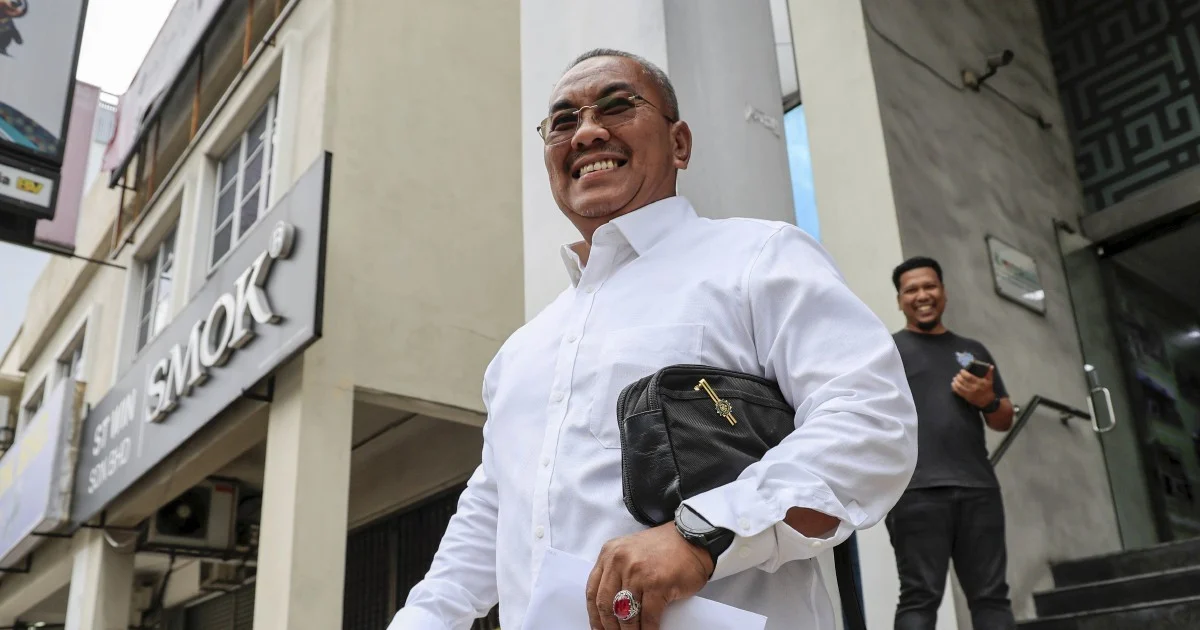
Perikatan Nasional has cleared a significant hurdle in its preparation for the Johor state election, with coalition leadership announcing the successful conclusion of seat negotiations that had previously threatened to fracture the partnership. Datuk Seri Sanusi Md Nor, who steers the coalition's electoral machinery, declared on Wednesday that the thorny process of dividing up state assembly constituencies among PN's component parties has been resolved, with all 34 overlapping seat claims now settled to the satisfaction of participating parties.
The resolution of these contested seats represents a critical moment for the Perikatan Nasional, a relatively young coalition that has faced repeated tests of its internal cohesion. The fact that negotiations could be concluded without major defections or public acrimony suggests that the coalition's leadership hierarchy has sufficient authority to impose discipline on its member parties. This contrasts sharply with the experience of other Malaysian political blocs, where seat disputes have historically served as flashpoints for internal rebellion and party fragmentation.
The 34 overlapping seats identified during the negotiation process represent constituencies where multiple PN component parties had lodged claims based on various criteria—historical performance, incumbent presence, demographic representation, or regional influence. Managing such disputes requires careful balancing of party interests against coalition unity, with electoral directors typically employing quantitative metrics combined with political judgment to broker settlements that leave no member party feeling systematically disadvantaged.
For Malaysian voters and political observers, the significance of this announcement extends beyond mere administrative convenience. A cohesive PN election campaign in Johor, historically a peninsular heartland for both established and insurgent political forces, could reshape regional political dynamics. The state has traditionally served as a barometer for broader peninsular trends, making its electoral outcome consequential for national political trajectories.
The Perikatan Nasional itself emerged from the realignment of Malaysian politics following the 2018 general election, bringing together Parti Islam Se-Malaysia (PAS), Bersatu, and other smaller parties into a coalition framework. Johor represents particularly complex terrain for PN because the state has its own political history and established power structures that do not always align neatly with federal coalition calculations. Previous state elections in Malaysia have demonstrated that coalitions performing well nationally can face unexpected difficulties at the subnational level if their internal divisions become visible to voters.
Sanusi's announcement also carries implications for how PN intends to campaign in Johor. With seat allocations finalised, the coalition can now shift its focus toward unified messaging, candidate selection and vetting, campaign resource allocation, and voter outreach strategies. The window between seat settlement and actual campaigning is typically when coalitions demonstrate whether their internal agreements will hold or whether fresh tensions might emerge once candidates begin their ground operations.
The resolution becomes particularly relevant given that several PN component parties have distinct organisational bases and supporter demographics that do not always overlap geographically. PAS, for instance, commands particular strength in certain rural constituencies, while Bersatu has sought to establish broader-based appeal. Allocating seats in ways that respect these party strongholds while creating room for each party to grow represents the fundamental challenge that Sanusi's team appears to have navigated successfully.
From a Malaysian electoral perspective, the completion of this negotiation process also signals that PN intends to contest the Johor election with serious purpose. Coalition partners who doubted their prospects in the state, or who harboured private ambitions about making alternative alliances, might have resisted the settlement process. The fact that negotiations concluded suggests sufficient consensus about PN's electoral viability in Johor to justify the compromises involved in seat-sharing.
Historically, Malaysian political coalitions have sometimes disguised internal dissatisfaction by announcing agreements publicly while allowing disputes to resurface during the actual campaign period. Sanusi's public announcement places PN leadership on record regarding the finality of these negotiations, creating reputational stakes that should discourage component parties from attempting to renege or challenge allocations once campaigning commences. This transparency, whether intentional or not, serves as a commitment mechanism that strengthens the credibility of the settlement.
The Johor state election itself remains to be scheduled, with the state assembly previously dissolved in October 2022. The prolonged interim period has allowed PN and competing coalitions—including Barisan Nasional and Pakatan Harapan—to engage in extensive groundwork and internal preparation. PN's completion of seat negotiations ahead of other significant campaign milestones suggests the coalition believes it can move quickly from internal organisation to external campaigning once the election date is announced.
For Johor voters, the significance of this announcement lies in what it suggests about the choices they will face in the upcoming election. A well-organised PN coalition with settled internal agreements typically translates into more coherent campaigns, clearer messaging about policy priorities, and potentially greater effectiveness in translating campaign activity into votes. Conversely, if any PN component party feels genuinely disadvantaged by the settlement, dissatisfaction could manifest as reduced campaign enthusiasm or subtle undermining of coalition partners' candidates.
The coalition's ability to maintain this unity through the campaign period will determine whether the successful conclusion of seat negotiations translates into improved electoral performance in Johor. Malaysian political history suggests that coalition discipline can weaken as campaigning intensifies and party leaders face pressure from their own cadres and voters. Sanusi's role as election director will extend beyond seat allocation into ensuring that component parties honour their commitments throughout the campaign.

