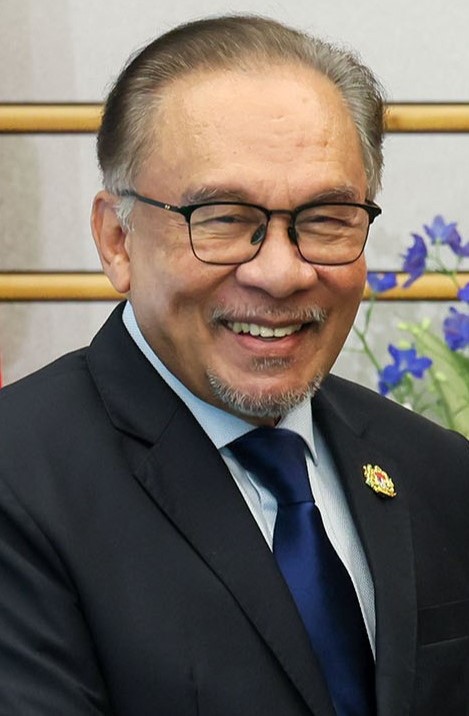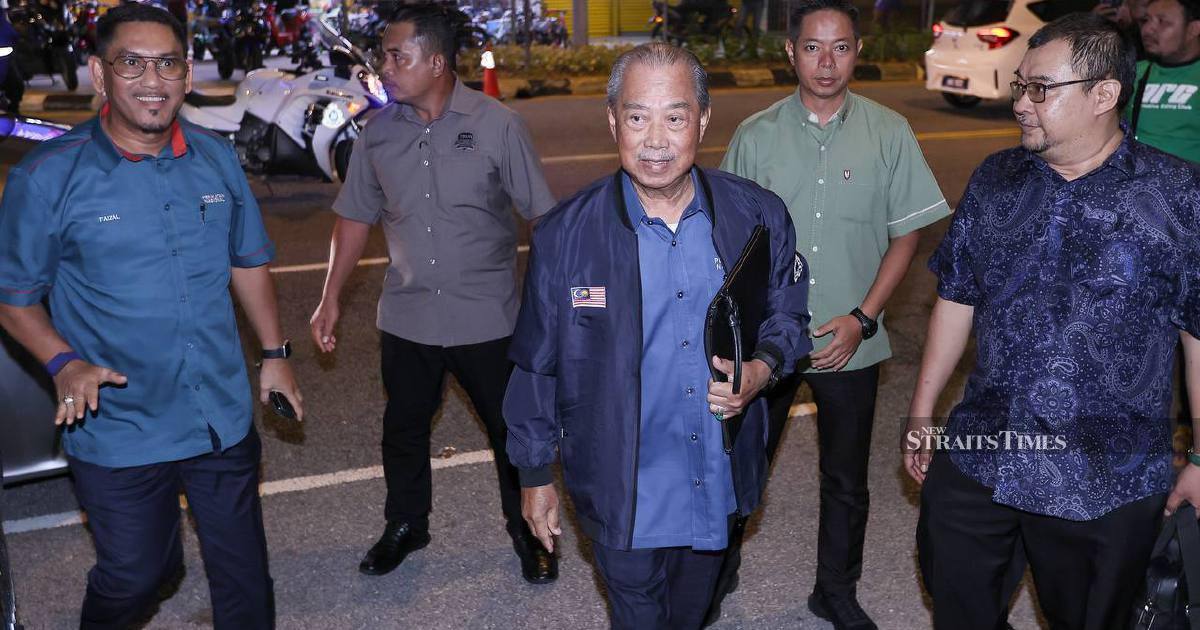
Senior figures from Perikatan Nasional converged at PAS headquarters in central Kuala Lumpur for an unscheduled Supreme Council meeting, indicating escalating tensions or critical decisions requiring immediate attention within Malaysia's largest opposition coalition.
The emergency summons reflects the fragile political equilibrium that has defined PN's trajectory since the 2023 general election, when the alliance of PAS, Bersatu, and smaller partners consolidated Islamist and Malay-centric support across much of the peninsula. Such convocations at the highest decision-making level typically signal matters beyond routine administrative coordination—potentially touching on coalition cohesion, strategic repositioning, or responses to external political developments affecting member parties' interests.
PAS, as the senior and most numerically dominant component of PN, has historically used its organisational machinery and venues to host such gatherings, reflecting both the party's institutional weight and symbolic importance within the alliance structure. The choice of location underscores the gravity with which coalition leadership treats the pending agenda, bypassing secondary venues in favour of the party's nerve centre.
Peikatan Nasional's composition has always embodied inherent tensions between its constituent parts. PAS brings Islamist ideological credentials and deeply entrenched grassroots networks, particularly in Terengganu, Kelantan, and Kedah. Bersatu, meanwhile, represents Malay-Muslim nationalism filtered through the political legacy of former Prime Minister Mahathir Mohamad and his protégé Muhyiddin Yassin, carrying significant influence among federal-level administrators and corporate interests. This ideological and organisational diversity, while electorally potent, creates friction over policy directions, resource allocation, and coalition messaging.
The timing of emergency sessions typically corresponds to one of several political contingencies. Coalition partners may be navigating defections or attrition within their own ranks, particularly among state assemblymen or MPs drawn toward the ruling Pakatan Harapan government's incentive structures. Alternatively, PN leadership may be coordinating responses to legislative manoeuvres by the federal administration, reviewing electoral strategy ahead of state-level contests, or addressing public controversies affecting individual parties' reputational standing.
For Malaysian observers and political analysts, such meetings carry implications beyond PN's internal mechanics. As the primary opposition force controlling significant parliamentary seats and governing several states, PN's stability and strategic direction influence the broader competitive landscape between government and opposition. Fracturing within the coalition or strategic realignment could reshape electoral mathematics for future general elections, particularly if disaffected leaders defect or renegotiate relationships with other political actors.
Regionally, PN's consolidation or fragmentation sends signals to Southeast Asian observers monitoring Malaysia's democratic contestation and institutional health. An opposition coalition capable of sustained organisation and internal discipline strengthens democratic representation; conversely, chronic instability within opposition ranks can concentrate power within governing structures and reduce meaningful political competition.
The emergency nature of tonight's gathering suggests deliberations could not await routine quarterly or biannual supreme council schedules. Such urgency typically reflects time-sensitive developments—perhaps parliamentary votes requiring coordinated opposition positioning, personnel changes in senior leadership, or responses to unexpected government initiatives affecting coalition parties' electoral or governance prospects.
Historically, PN's supreme council has functioned as a forum where party presidents and senior strategists resolve inter-party disputes, coordinate parliamentary tactics, and establish shared positions on national issues. The presence of multiple party leaderships gathered simultaneously creates space for both bilateral negotiations among coalition partners and collective decision-making on matters demanding unified action.
The political landscape facing PN remains structurally challenging. The coalition operates from opposition benches despite commanding substantial parliamentary representation and state administrations, a position that both energises opposition-minded constituencies while potentially frustrating those expecting swifter pathways to federal power. Managing these competing internal pressures while maintaining coalition unity requires constant negotiation and recalibration.
As Malaysian politics continues its fluid trajectory—characterised by coalition flux, shifting MP allegiances, and evolving factional configurations—PN's internal stability becomes increasingly consequential. Tonight's emergency session represents a critical juncture in which the coalition's leadership attempts to navigate contemporary political complexities while preserving the alliance structure that delivered it substantial electoral returns in 2023.
The outcomes of such deliberations, whether announced publicly or managed through internal communications, will likely reverberate through Malaysian political circles within days, potentially signalling shifts in parliamentary strategy, coalition positioning on upcoming legislation, or internal personnel adjustments affecting party hierarchies and decision-making authority within the broader PN structure.