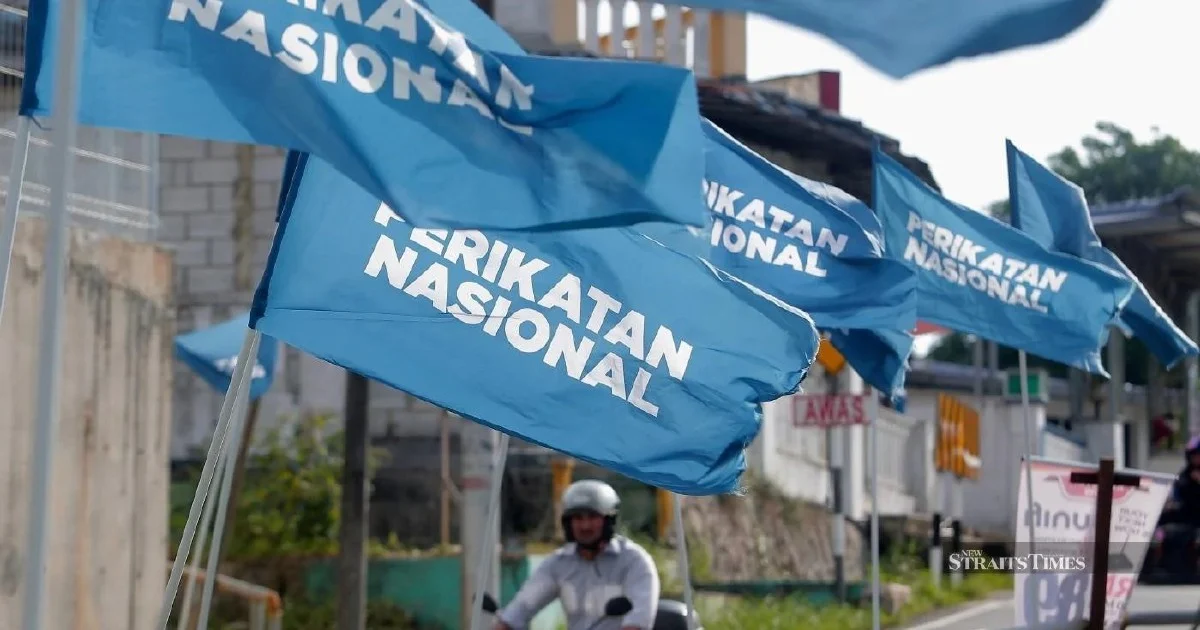
Perikatan Nasional (PN) has moved swiftly to quash spreading rumours that it intends to sideline itself from the upcoming Johor state election, with deputy chairman P. Punithan publicly refuting what he characterised as a fabricated narrative gaining traction on social media and messaging platforms.
The denial underscores the coalition's commitment to active participation in state-level contests as it consolidates its electoral positioning across Malaysia. In an era of rapid information dissemination through digital channels, false claims about major political entities' electoral strategies can significantly influence voter sentiment and party morale. PN's prompt response reflects the coalition's awareness of how misinformation can shape public perception and electoral outcomes.
The viral statement, which circulated without verification across multiple platforms, had suggested that PN would adopt a passive stance during the Johor election campaign. Such claims, if left unchallenged, could damage the coalition's credibility among its supporters and potential voters in the southern state. By explicitly rejecting these allegations, PN leadership signals to the electorate that the coalition remains committed to competitive politics at the state level.
Johor remains strategically significant within Malaysia's political landscape. The state, which has been governed by Barisan Nasional (BN) for decades until recent political shifts, presents both opportunities and challenges for opposition coalitions seeking to expand their electoral footprint. PN's determination to contest actively in Johor reflects the coalition's broader ambitions to strengthen its presence in Malaysia's constituent states.
The timing of such rumours, whether deliberately orchestrated or organically generated, highlights the increasingly complex information ecosystem surrounding Malaysian politics. Political movements, their supporters, and opposition figures often use social media to shape narratives, and distinguishing credible information from deliberate disinformation has become a critical challenge for voters. P. Punithan's public correction attempts to maintain transparency about PN's electoral intentions.
PN's electoral strategy across Malaysia has evolved significantly following the 2022 general election, where the coalition achieved notable parliamentary gains. This success has emboldened the coalition to contest more vigorously in state elections, viewing them as crucial stepping stones toward enhanced political influence. Johor, with its substantial population and economic importance, represents exactly the kind of contest PN considers essential to its strategic calculations.
The coalition's position in Johor has been strengthened by internal dynamics within the state's political parties and shifting voter preferences. Both PN and BN have competed fiercely to consolidate support among different demographic and geographic constituencies within Johor. An active campaign presence ensures PN maintains visibility and engagement with the electorate, reinforcing messaging about its policy agenda and leadership vision.
For Malaysian voters, particularly those in Johor, the clarification provides necessary assurance about the electoral choices available to them. A coalition that withdraws from electoral competition would effectively reduce democratic options. PN's reiteration that it will contest affirms that Johor voters will have the opportunity to weigh multiple political visions and choose representatives according to their preferences.
The circulation of false claims about major political actors is not unprecedented in Malaysian politics. Previous elections have witnessed various rumours and unverified reports about coalitions' strategies, candidate selections, and campaign intentions. However, combating misinformation requires sustained vigilance from both political parties and the public. When major political figures publicly address and refute false claims, they contribute to a more informed political discourse.
PN's response also reflects internal party discipline and unified messaging. When a coalition's senior leadership speaks with clarity about electoral participation, it sends reassuring signals to party members, allied organisations, and supporters who might otherwise feel uncertain about the coalition's direction. Such clarity helps mobilise party machinery and volunteer efforts more effectively.
Looking forward, PN's commitment to contesting the Johor election positions the coalition to present its platform directly to voters. State elections in Malaysia have traditionally been important testing grounds for political movements to gauge public sentiment on key issues, from development priorities to governance approaches. Johor's voters will benefit from having PN's representatives actively campaigning and articulating the coalition's vision.
The episode serves as a reminder of the importance of media literacy and critical evaluation of viral claims in contemporary Malaysian politics. Citizens should approach unverified statements about political movements with appropriate scepticism, particularly when such claims originate from unofficial sources. Conversely, political parties bear responsibility for addressing misinformation promptly and transparently, as PN has done through P. Punithan's public statement.