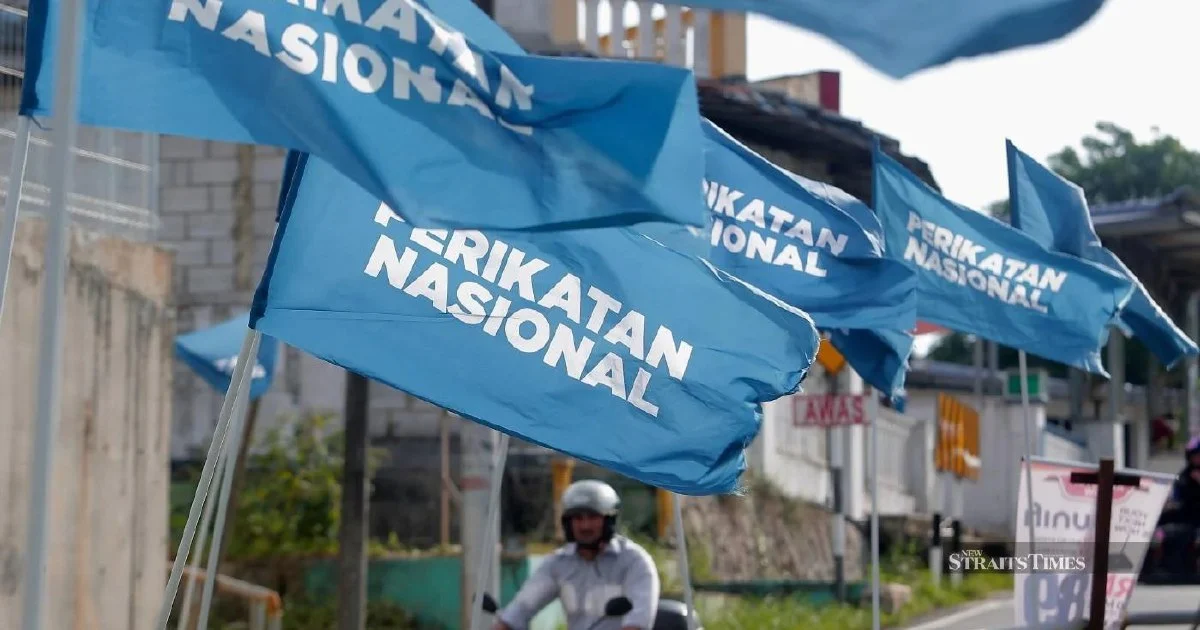
Perikatan Nasional appears committed to maintaining its alliance with Bersatu despite underlying tensions within the coalition, according to political analysts monitoring the situation ahead of forthcoming state elections in Johor and Negri Sembilan. The decision to keep the partnership intact reflects strategic calculations about the risks of internal discord during a critical electoral period.
The stability of PN's relationship with Bersatu has long been a subject of speculation among observers, given the distinct interests within the coalition and historical friction between member parties. However, analysts suggest that the upcoming elections in two significant states have prompted a temporary prioritisation of cohesion over the airing of grievances. A fractured coalition heading into these contests would weaken PN's negotiating position and undermine its electoral prospects, making internal discipline the rational choice.
Johor and Negri Sembilan represent important political battlegrounds for PN. Both states carry symbolic and practical significance for Malaysia's opposition bloc, with electoral success or failure likely to reverberate across the broader political landscape. Losing ground in either state could diminish PN's credibility as a formidable alternative government, whilst consolidating support might accelerate the coalition's momentum heading into the next general election cycle.
Bersatu's role within the coalition has been complex since the party's formation and subsequent political manoeuvres. The party commands particular influence in certain constituencies and among specific demographic groups, making it difficult for PN to sideline without incurring substantial electoral costs. Analysts note that expelling or marginalising Bersatu could fracture PN's voter base and hand advantages to competing coalitions in targeted constituencies.
The timing of maintaining coalition unity is instructive about how Malaysian political parties operate during sensitive windows. Rather than settling intra-coalition disputes through public confrontation, the dominant strategy involves suppressing tensions until electoral contests conclude. This pragmatic approach prioritises collective electoral objectives over individual party satisfaction, though it often merely defers rather than resolves underlying disagreements.
Several structural factors reinforce the likelihood of PN maintaining its current composition through the election cycle. First, the coalition requires maximum parliamentary and state-level representation to credibly position itself as a government-in-waiting. Second, wholesale expulsions or withdrawals would trigger complex seat-redistribution negotiations that favour neither party. Third, the broader Malaysian electorate often punishes coalitions perceived as unstable or conflict-ridden, making internal peace a marketable commodity.
Bersatu's leverage within the arrangement stems partly from its capacity to contest seats independently should negotiations deteriorate. The credible threat of defection or withdrawal gives the party substantial negotiating power despite potential numerical disadvantages within PN. This asymmetric interdependence means that PN leadership must carefully manage Bersatu's expectations and grievances to prevent rupture.
Observers note that the electoral calendar itself shapes political behaviour significantly. The window between now and the completion of Johor and Negri Sembilan elections represents a period when coalition discipline naturally intensifies. Party leaders understand that any public infighting during this phase would damage electoral performance and invite ridicule from opposing coalitions seeking to exploit divisions.
Beyond these immediate electoral considerations, maintaining Bersatu within PN's fold serves longer-term strategic purposes. A unified coalition presents a clearer alternative narrative to voters dissatisfied with the current government. Coalition stability also facilitates internal dialogue about policy platforms and post-election government structures, conversations that occur more productively behind closed doors than through media-aired disputes.
The relationship between PN's component parties will likely face renewed strain once these elections conclude, should the coalition achieve satisfactory results. Success tends to generate new conflicts around ministerial portfolios, policy directions, and seat allocations for the next round of contests. Conversely, disappointing electoral performances might trigger blame-shifting and recriminations that could accelerate coalition deterioration.
For Malaysian voters and regional political observers, the current period of apparent PN-Bersatu harmony represents a strategic pause rather than a fundamental resolution of coalition tensions. Understanding this distinction matters because it clarifies that seemingly stable political arrangements often rest on temporary interests rather than deep-rooted agreement. The elections in Johor and Negri Sembilan will thus test not only the coalitions' electoral strength but also the durability of their internal relationships under pressure.
Analysts suggest that whichever coalition performs better in these contests will strengthen its hand for subsequent negotiations and electoral contests. The stakes extend beyond these two states to encompass the broader competitive position of PN versus government-aligned coalitions, making these elections consequential barometers of Malaysia's evolving political trajectory.