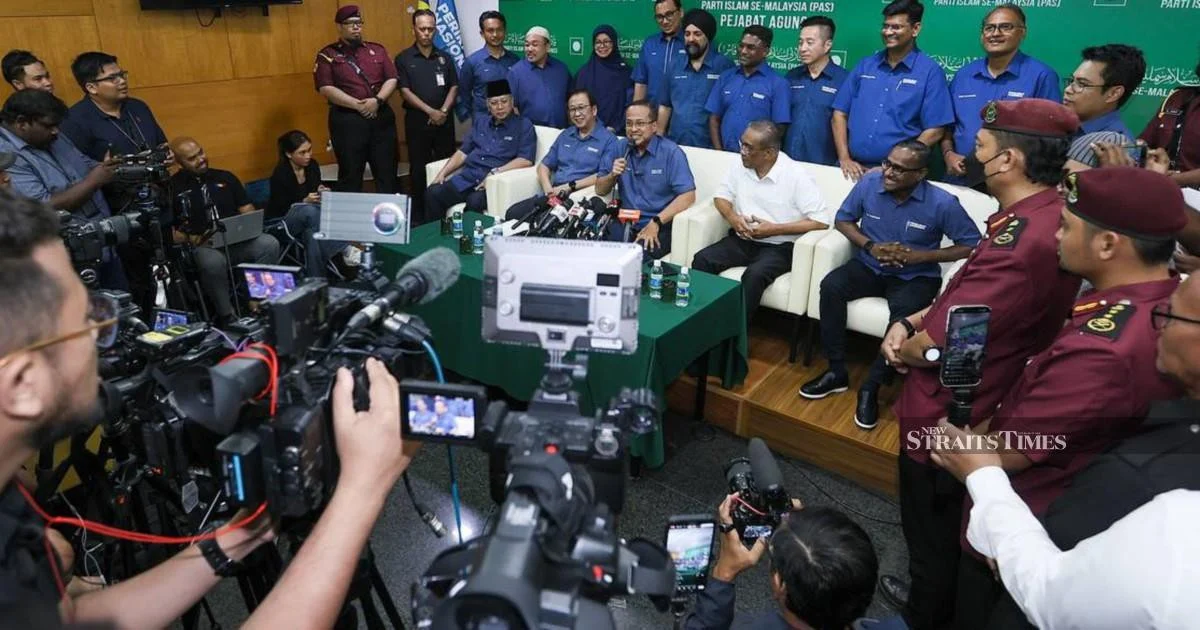
Perikatan Nasional will conclude negotiations on its seat allocation for the Johor state election during an emergency coalition meeting scheduled for today in Kuala Lumpur. The decision marks a pivotal moment in the opposition coalition's preparations for what is expected to be a fiercely contested electoral battle in the strategic southern state.
The finalisation of seat distribution within PN represents a critical juncture in coalition politics. Member parties must reconcile competing demands for electoral positions, balancing the relative strength of each party with their appetite for contested constituencies. The Johor election carries particular significance for PN given the state's substantial parliamentary representation and its historical position as a stronghold for various political movements. Control of the state assembly directly influences the coalition's broader influence within parliament, making today's allocation process more than mere administrative housekeeping.
Seat allocation negotiations within multi-party coalitions typically involve complex calculations. Parties weigh their organisational capacity, historical electoral performance in specific constituencies, demographic composition of electoral divisions, and perceived viability of candidates. For PN, balancing the ambitions of component parties while projecting an image of unified purpose presents an ongoing challenge. The urgency conveyed by scheduling a special meeting suggests negotiations may have encountered resistance or that time pressures are mounting as campaign preparations accelerate.
Johor's electoral landscape has shifted considerably in recent political cycles. The state, which for decades formed the bedrock of United Malays National Organisation (UMNO) support, has become increasingly competitive. Rising urban populations in areas like Johor Bahru and Iskandar Puteri have created constituencies with different voting patterns compared to traditional rural strongholds. This demographic reality means that seat allocation strategies must account for changing voter preferences and the viability of candidates in evolving electoral terrains.
The Perikatan Nasional coalition itself remains a relatively recent formation in Malaysian politics, emerging from the dissolution of previous alliances. Its constituent parties maintain distinct political bases and ideological positions, requiring careful management to prevent public disputes that could undermine coalition credibility. The Johor allocation process therefore serves as a practical test of PN's ability to function as a cohesive electoral force, a capability that voters evaluate when deciding whether opposition coalitions deserve their support.
From a strategic perspective, seat allocation directly impacts campaign messaging and resource deployment. Parties prioritise resources for winnable seats, marginal constituencies where victory is possible with extra effort, and areas where they must defend existing ground. The distribution of high-profile candidates across constituencies signals which areas PN views as critical battlegrounds. Regional media and political observers in Johor will scrutinise the allocation announcement to understand which constituencies PN considers crucial and which candidates carry the coalition's greatest hopes.
The timing of this allocation also reflects broader political calendars in Malaysia. State elections in different parts of the country do not occur simultaneously, creating windows where coalition partners must focus campaign energy on specific states. Having finalised seat allocations for Johor, PN can immediately transition to campaign organisation, candidate briefings, and public engagement activities. Delays in seat distribution directly compress campaign timelines, potentially disadvantaging the coalition against better-prepared competitors.
For Malaysian voters, particularly in Johor, seat allocation outcomes provide insight into coalition dynamics. If negotiations appear contentious or allocations seem unfair to specific parties, public confidence in PN's unity may suffer. Conversely, if the coalition announces allocations smoothly and presents a unified front, it reinforces perceptions of political stability and serious preparation. Voters often prefer coalitions that appear organised and cohesive, viewing internal discord as a liability in subsequent governance.
Regional implications extend beyond Johor itself. How PN manages this allocation process may influence the coalition's approach to future electoral contests in other states. Southeast Asian political observers frequently note how Malaysian coalition politics operate, given Malaysia's multicultural democracy and complex power-sharing arrangements. PN's performance in managing internal negotiations contributes to broader regional understanding of coalition viability in diverse democracies.
The conclusion of today's meeting will represent merely one stage in the extended process leading to actual voting. Following seat finalisation, PN must manage campaign logistics, coordinate messaging across multiple parties, navigate media narratives, and ultimately convert electoral preparations into actual votes. The strength of today's allocation agreement will therefore be measured not by the smoothness of announcement, but by how effectively the coalition translates its strategic decisions into electoral success.