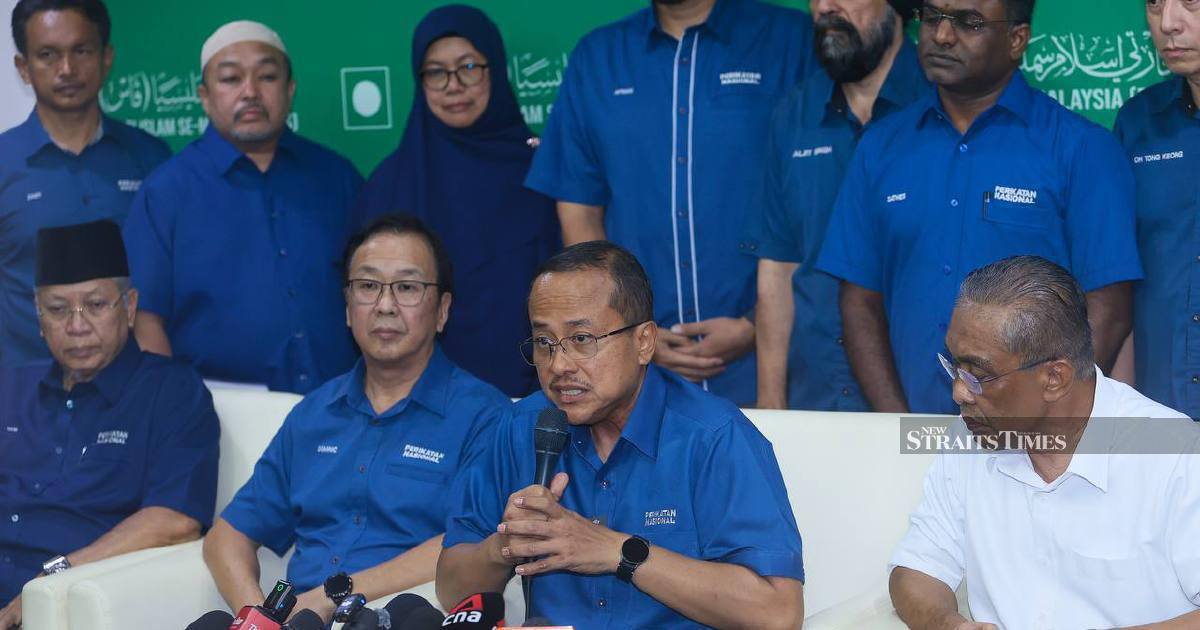
Perikatan Nasional has taken significant steps to strengthen its coalition framework by formally accepting two new political parties into its ranks, PN chairman Datuk Seri Dr Ahmad Samsuri Mokhtar announced following an emergency Supreme Council meeting in Kuala Lumpur. The move represents an important phase in PN's strategic positioning as the opposition coalition continues to broaden its political base and consolidate its membership ahead of potential electoral challenges.
The expansion demonstrates PN's ongoing efforts to build momentum as a credible alternative to the ruling government. By absorbing new political formations into its structure, the coalition seeks to increase its grassroots presence and appeal to different demographic and geographic constituencies. This approach reflects a broader pattern among Malaysian opposition coalitions to strengthen their organisational capacity and demonstrate growing support across diverse segments of society.
While Samsuri confirmed the admission of the two new parties, he notably did not elaborate on their specific identities, which has led to speculation within political circles about their size, influence, and ideological alignment within the coalition. The deliberate withholding of these details suggests either strategic considerations regarding public perception or ongoing formal procedures before formal announcements are made. The identity of these parties will be closely watched by political observers, as it could signal shifts in PN's broader coalition strategy and potential policy directions.
Significantly, the PN chairman indicated that important matters pertaining to the coalition's vision—referred to locally as Wawasan—were not discussed during the emergency meeting. This omission raises questions about what took priority during the gathering and whether there exists internal consensus on the coalition's long-term direction and policy platform. The Wawasan represents the coalition's fundamental principles and aspirations, making its absence from discussion noteworthy for those tracking internal party dynamics and ideological coherence within PN.
Samsuri also noted that discussions regarding the coalition's logo did not occur at the meeting. The logo holds symbolic importance for any political organisation, functioning as a visual representation of its identity and values. The decision not to address this matter suggests either that logo-related discussions were deferred to future sessions or that this issue remains pending resolution among coalition members. Such seemingly minor details often carry disproportionate weight in coalition politics, where symbol and brand identity can influence voter perception and internal party unity.
The emergency nature of the Supreme Council meeting suggests that time-sensitive matters required immediate attention and decision-making. Emergency gatherings in Malaysian coalition politics typically indicate pressing circumstances that could not wait for regularly scheduled sessions, whether these involve responding to external political developments, addressing internal grievances, or capitalising on emerging opportunities. The swift convening of the Supreme Council demonstrates PN's willingness to take decisive action when deemed necessary.
For Malaysian political observers, the expansion of PN's membership carries implications extending beyond simple numerical growth. Each new party entering the coalition potentially brings its own voter networks, grassroots structures, and ideological perspectives. The process of integrating these entities while maintaining coalition coherence presents both opportunities for enhanced electoral competitiveness and challenges in managing diverse interests and viewpoints. The coalition's ability to harmonise these different elements will be crucial to its effectiveness.
The timing of this coalition expansion occurs within Malaysia's broader political landscape, where opposition coalitions face persistent pressure to demonstrate viability and unity as genuine alternatives to the federal government. PN's continued efforts to grow its membership reflect an understanding that electoral success increasingly depends on building broad-based support and demonstrating organisational capacity. The acceptance of new parties signals confidence in PN's direction, even as questions remain about its strategic coherence and policy platform.
The incomplete nature of this announcement—with key details about the new parties, the Wawasan, and logo issues remaining unresolved—suggests that PN's coalition-building efforts remain works in progress. While the admission of two new parties represents tangible progress toward coalition expansion, the deferment of discussions on foundational matters like vision and identity implies that significant work remains in consolidating the coalition's internal structures and agreeing on its fundamental direction and representation.
Askoking forward, political observers will watch carefully for subsequent announcements identifying the new coalition members and for progress on the deferred matters. The coalition's success will likely depend not only on expanding its membership but also on establishing a coherent vision, clear identity markers, and effective mechanisms for managing internal differences. How PN navigates these challenges in coming weeks and months will significantly influence its positioning ahead of the next general election and its credibility as an opposition force.