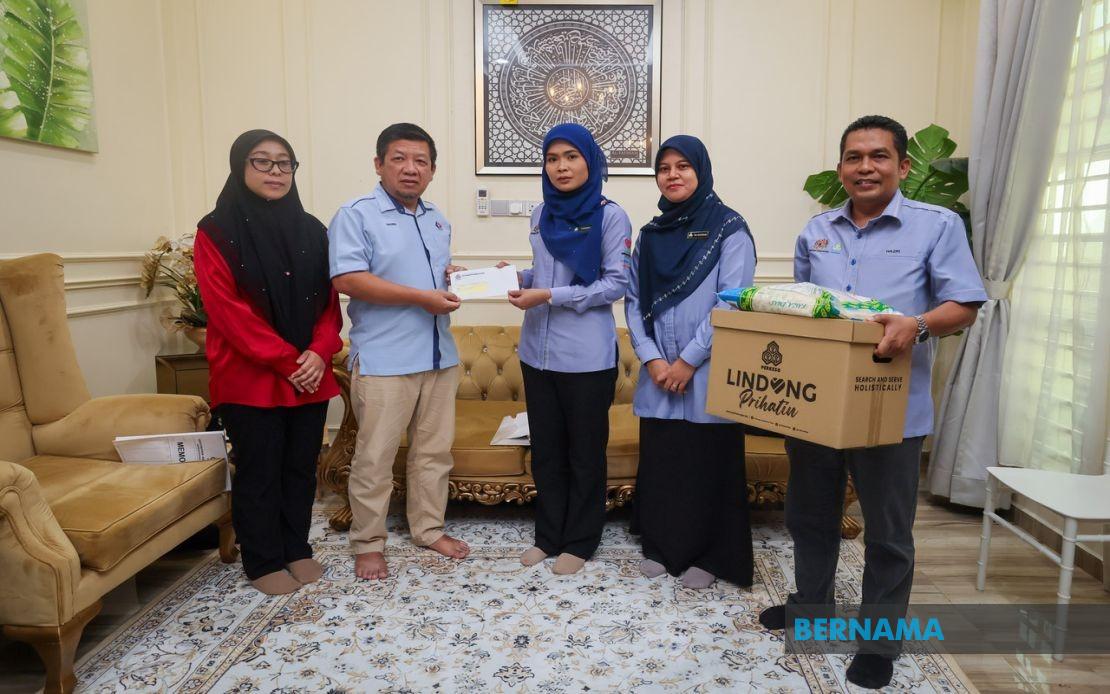
Malaysia's Social Security Organisation (PERKESO) has channeled nearly RM3.5 million in various benefits to workers and their dependants across Kelantan during the opening half of 2024, underscoring the organisation's continued commitment to protecting the workforce against employment-related hardships. According to Nor Aziemah Ismail, PERKESO's deputy director in Kelantan, the disbursements covered multiple schemes designed to provide financial security to contributors and their families during periods of work-related injury or loss.
The overwhelming proportion of these payments—RM2.388 million—went towards Temporary Disablement Benefit (TDB) allocations under the Employees' Social Security Act 1969. This benefit specifically targets contributors who experience workplace accidents resulting in temporary inability to perform their job duties, providing critical income replacement during recovery periods. The TDB scheme's substantial payout reflects both the frequency of occupational injuries in the state and the importance of this safety net for affected workers struggling with sudden loss of earnings.
Beyond temporary disability support, PERKESO distributed RM73,000 in Dependants' Benefit payments to next of kin of workers who lost their lives in employment-related accidents. While a smaller figure than TDB payouts, these sums represent vital financial assistance during periods of acute family distress, ensuring that dependants of deceased workers receive recognition of their loss through the social security system. The payments acknowledge the ultimate sacrifice made by workers whose occupations proved fatal, reflecting the state's obligation to those left behind.
The organisation simultaneously processed approximately RM1 million in Funeral Benefit payments to families of workers who died during the January-to-June period. Each eligible beneficiary receives a standardised payment of RM3,000, a meaningful amount designed to defray the substantial expenses associated with funeral rites and burial arrangements. PERKESO's operational commitment to processing such claims within 24 hours of receiving complete documentation demonstrates the organisation's recognition that grieving families require rapid financial relief to manage immediate arrangements without undue bureaucratic delay.
A particularly notable aspect of PERKESO's Kelantan operations involves the 24-Hour Employment Injury Scheme, which extends protection beyond conventional working hours and workplace premises. This expanded coverage reflects modern understanding that employment-related injuries can occur during circumstances tangentially connected to work obligations—instances when employees are conducting personal business but remain in a state of professional engagement. The scheme recognises that rigid temporal or geographical boundaries for workplace injury protection inadequately reflect the complexity of contemporary employment relationships.
During the six-month reporting period, PERKESO Kelantan approved nine claims under this expanded scheme, disbursing RM1,300 in sick leave benefits to eligible contributors. The approved cases included incidents occurring during motorcycle convoy participation and while transporting children to educational tuition classes—scenarios that might traditionally fall outside conventional occupational injury definitions. These approvals illustrate how the scheme captures injuries sustained during activities that, while not strictly constituting work duties, remain connected to employment-related circumstances or occur during transitions between work and personal responsibilities.
For Malaysian workers and their families, these figures demonstrate the practical importance of PERKESO's protective infrastructure. Kelantan's economy relies significantly on agricultural, manufacturing, and small-scale enterprise sectors—industries where occupational hazards remain prevalent despite modern safety improvements. The distribution of RM3.5 million over six months suggests a steady stream of claims reflecting the reality of workplace risks across diverse economic sectors in the state. Workers in these fields depend substantially on social security mechanisms to bridge periods when injuries prevent income generation.
The rapid processing timelines PERKESO emphasises—particularly the 24-hour turnaround for Funeral Benefit claims—reflect operational efficiency gains that tangibly benefit claimants. Families facing the sudden death of a breadwinner experience compounded stress when additional administrative delays defer financial relief. PERKESO's commitment to expedited processing, contingent on document completeness, balances administrative verification requirements with recognition of urgent human need.
For Southeast Asian observers, Kelantan's experience illustrates broader regional patterns regarding employment protection systems. Many ASEAN nations grapple with tension between extending comprehensive social security coverage and maintaining fiscally sustainable programmes. Malaysia's PERKESO represents a relatively mature model with defined benefit structures, quick processing mechanisms, and expanded scheme coverage. However, the absolute value of benefits—while providing meaningful relief—remains modest relative to wage replacement needs, particularly for families losing primary earners.
The scheme's expansion beyond traditional working hour restrictions reflects sophisticated policy evolution recognising that occupational injuries manifest through diverse pathways in contemporary society. The approval of motorcycle convoy injury claims and education-related transportation accidents demonstrates flexibility in interpreting employment connection, potentially offering templates for other Southeast Asian nations developing or refining their social protection frameworks.
Looking forward, Kelantan's PERKESO operations face persistent challenges common across the region: ensuring sustainable financing amid demographic shifts, improving occupational safety to reduce claim frequency, and balancing benefit adequacy with fiscal constraints. The organisation's Kelantan data reveals that while machinery for protecting workers exists and functions, the underlying necessity for these protections reflects ongoing workplace hazards requiring complementary prevention investments. Enhanced safety training, enforcement of occupational standards, and hazard elimination programmes represent equally important complements to post-injury benefit disbursement.
For workers and beneficiaries in Kelantan, PERKESO's RM3.5 million distribution provides essential financial stabilisation during vulnerable periods. The range of covered contingencies—temporary disablement, death, funeral costs, and expanded accident scenarios—creates a reasonably comprehensive safety net for registered contributors. Nevertheless, adequacy remains relative; benefits substitute for only portions of lost earnings, and families receiving Dependants' Benefit face permanent income disruption. PERKESO's continued operation and demonstrated payment capability provide reassurance, yet complementary mechanisms promoting workplace safety and broader income security remain necessary for comprehensively protecting Malaysia's working population.

