Malaysia's Social Security Organisation (PERKESO) has demonstrated robust operational performance, recording a compliance rate exceeding 96 per cent in the processing of claims and benefit disbursements to contributors throughout the previous financial year. This achievement underscores PERKESO's commitment to maintaining service standards that directly impact the financial security of millions of Malaysian workers and their families who depend on social protection benefits.
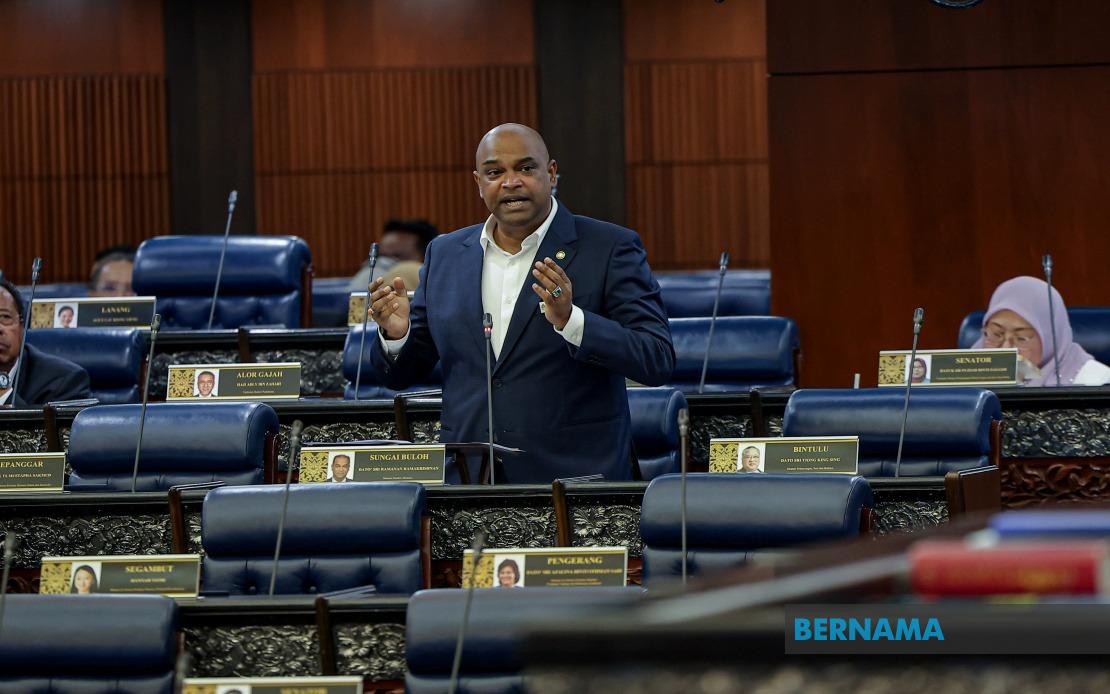
During parliamentary proceedings on June 24, Human Resources Minister Datuk Seri R. Ramanan disclosed these figures in response to questions raised by backbenchers regarding the organisation's efficiency metrics. The impressive compliance levels come after PERKESO implemented an enhanced Customer Charter framework beginning last year, establishing clear processing timelines across three distinct benefit schemes: LINDUNG Pekerja, LINDUNG Kendiri, and LINDUNG Kasih. These schemes collectively serve formal workers, self-employed individuals, and domestic workers respectively, reflecting the breadth of Malaysia's social protection apparatus.
The organisation has differentiated its service standards based on claim complexity and urgency. For straightforward benefits including Funeral Benefit and Temporary Disablement Benefit, PERKESO committed to a two-day processing window once all requisite documentation reaches its offices. More complex claims involving Permanent Disablement Benefit, Invalidity Pension, Survivor's Pension, and Dependant's Benefit receive processing within three days. This tiered approach recognises that accident victims requiring income replacement and families facing sudden loss require expedited support, while acknowledging that detailed medical and employment verification takes additional time.
Under the newest LINDUNG Kerjaya initiative—a scheme introduced to enhance protection for workers—PERKESO has set even more aggressive targets. The 2025 Customer Charter stipulates universal two-day processing for all benefit categories under this scheme, provided applicants submit complete applications. Performance data reveals the organisation achieved a remarkable 99.68 per cent compliance rate for LINDUNG Kerjaya claims processing, significantly outpacing the broader portfolio average and suggesting that newer, streamlined procedures deliver tangible results.
Digitalisation has emerged as the critical enabler of PERKESO's operational improvements. The organisation has substantially upgraded its processing infrastructure through implementation of the 1Best system, which went into full operation during the current year. This modernised backend platform automates routine tasks and reduces manual handling, directly contributing to the speed improvements evident in compliance metrics. Complementing this, the LINDUNG Faedah PERKESO portal provides claimants with online submission capabilities and status tracking, eliminating the need for in-person visits for many routine transactions.
To enhance claimant experience and reduce confusion surrounding eligibility and procedures, PERKESO introduced the PRIHATIN mobile application, granting contributors convenient access to service information directly from their smartphones. This digital channel reflects growing recognition that Malaysian workers increasingly expect government services to function through modern communication platforms. The organisation has additionally established dedicated Prihatin Squad units—advisory teams stationed to provide personalised guidance to contributors, beneficiaries, and insured persons navigating the claims process, effectively bridging the gap between digital systems and individuals requiring human assistance.
For accident cases requiring hospital coordination, PERKESO has strengthened links with medical facilities through the INSPIRE System, which electronically connects hospital records with PERKESO's processing units. This direct integration eliminates delays caused by manual document transfer and enables preliminary verification to commence while claimants remain hospitalised. Emergency situations benefit from further streamlined procedures capable of completion within 24 hours, recognising that workers and families facing sudden income loss cannot afford extended waiting periods.
Fraud prevention represents an ongoing concern for social security administrators managing schemes dependent on contributor confidence and fiscal sustainability. Minister Ramanan confirmed that PERKESO employs a multi-layered assessment protocol combining artificial intelligence screening with mandatory manual verification procedures. The AI component rapidly flags anomalies and inconsistencies within submitted documentation, flagging these cases for human review. This hybrid approach balances efficiency gains from automation against risks of algorithmic error, ensuring that legitimate claims are not wrongfully denied while suspicious applications receive appropriate scrutiny before approval.
These developments carry significance beyond mere operational statistics. For Malaysian workers—particularly those in informal or precarious employment—timely benefit receipt determines whether households maintain housing, food security, and basic living standards during disablement or bereavement. The 96 per cent compliance rate and sub-three-day processing windows represent meaningful advances in a system historically criticised for bureaucratic delays. The LINDUNG Kerjaya scheme's 99.68 per cent performance suggests that redesigned procedures, when properly resourced and systematically implemented, can deliver near-universal timeliness.
The improvements also reflect broader trends in Southeast Asian social protection reform. Regional neighbours including Indonesia, Thailand, and Vietnam have similarly prioritised digital claims processing and hospital integration to accelerate benefit delivery. Malaysia's competitive position in social security service delivery influences labour market competitiveness and worker retention, particularly for multinational employers evaluating operating locations. Enhanced PERKESO performance strengthens Malaysia's proposition as a jurisdiction offering workers both employment opportunities and responsive social protection infrastructure.
PERKESO's trajectory suggests that continued investment in digital infrastructure and process redesign will sustain these gains. However, compliance metrics measuring processing speed represent only one dimension of system performance. Equally important are consistency of benefit calculations, appropriateness of benefit amounts relative to living costs, and accessibility of information for vulnerable populations with limited digital literacy. As Minister Ramanan's parliamentary responses indicate, PERKESO recognises these broader challenges and has structured interventions—including the Prihatin Squad advisory services—to address them comprehensively rather than pursuing narrow efficiency improvements at the expense of actual claimant outcomes.

