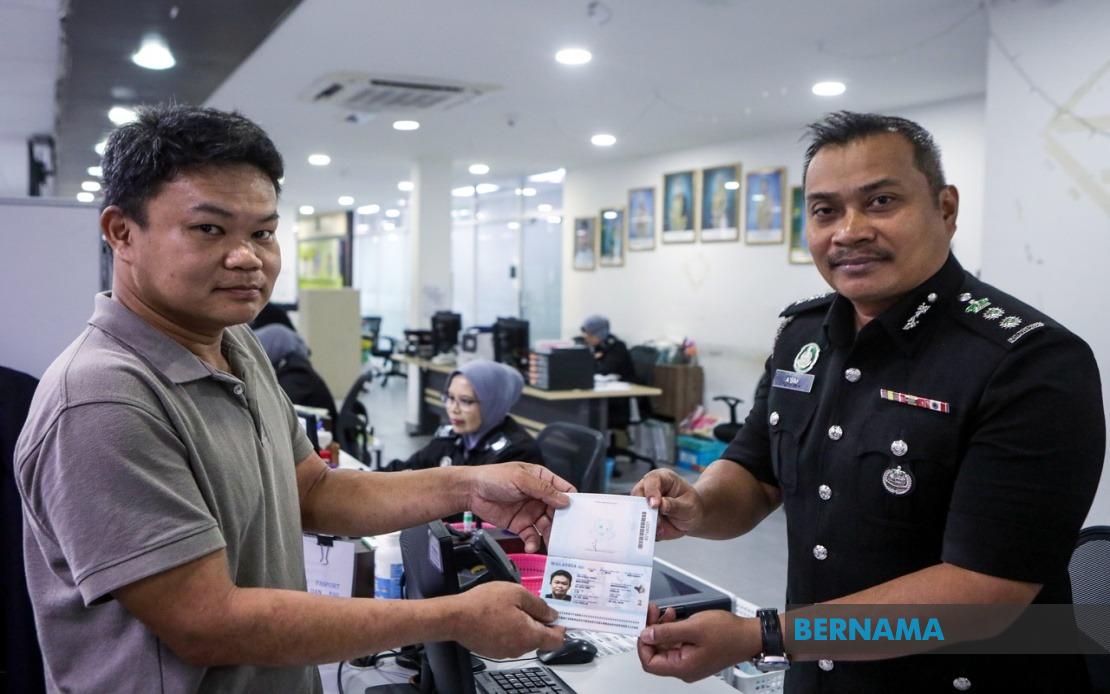
The Perlis Immigration Department has begun distributing the new Malaysian International Passport (PMA) as of July 20, representing a significant upgrade to the country's travel documentation system. The enhanced passport incorporates 94 distinct security features designed to combat fraud and forgery while maintaining compliance with international travel standards. Currently, the document is being issued exclusively through the Immigration Office located within the Kangar Urban Transformation Centre (UTC), with plans to expand distribution points once infrastructure upgrades are finalised.
Perlis Immigration director Mohammad A'sim Md Ali confirmed during a press briefing that the rollout commenced with encouragingly positive public reception. The new passport printing equipment was installed earlier in the month, enabling the state to begin production immediately following Prime Minister Datuk Seri Anwar Ibrahim's nationwide launch on June 30. The technology represents a modernisation of Malaysia's passport infrastructure, reflecting the government's commitment to enhancing document security across Southeast Asia's increasingly competitive digital economy.
Physical expansion of issuing facilities remains on schedule, though not without delays typical of large-scale government infrastructure projects. The Ministry of Home Affairs (KDN) Complex in Perlis will receive an additional printing machine once renovations to the building structure and service counters reach completion, a timeline tentatively set for October. This phased approach allows the immigration department to manage demand while ensuring quality control standards remain high during the transition period from legacy systems to the new technology platform.
The timing of Perlis's implementation follows the nationwide availability window that opened July 1, when Malaysian citizens aged 18 and above became eligible to apply. Applicants can select between two validity periods—five years for the standard option or ten years for extended protection—providing flexibility based on individual travel patterns and preferences. This optionality represents a departure from previous fixed-validity structures, offering citizens greater control over their document lifecycle management.
Data from Perlis Immigration reveals substantial demand for travel documents across all categories during the first six months of 2024. Between January 1 and July 17, the state issued 31,722 travel documents in total, comprising 6,918 conventional passports, 72 Restricted Travel Documents, and 24,732 Border Passes. These figures underscore persistent demand for cross-border mobility within Malaysia's northern region, particularly among communities with frequent business or family connections across the Thai border.
The new passport design serves multiple strategic objectives beyond simple document replacement. By consolidating 94 security features—likely including biometric data integration, advanced microprinting, and multi-spectrum authentication elements—the PMA addresses growing international pressure on ASEAN nations to strengthen travel document integrity. Malaysia's standing within regional security frameworks and bilateral travel agreements depends partly on demonstrating credible document verification capabilities, making this upgrade relevant to the broader Southeast Asian security architecture.
For Malaysian citizens, the practical implications extend beyond aesthetic or technological novelty. The enhanced passport facilitates smoother border crossings through improved automated verification systems at international airports and land crossings, potentially reducing congestion during peak travel periods. The ten-year validity option particularly benefits frequent business travellers and expatriate communities, reducing administrative friction associated with regular renewal cycles while maintaining document security standards throughout the extended period.
Regional context matters considerably here. Thailand, Singapore, and other Southeast Asian neighbours have similarly upgraded their passport systems in recent years, creating a competitive environment where document quality and security features influence visa facilitation arrangements. Malaysia's modernisation effort positions the country as a serious participant in regional mobility initiatives, supporting the ASEAN Secretariat's broader digitisation agenda and complementing ongoing efforts toward seamless intra-regional travel through mechanisms like the ASEAN Comprehensive Investment Agreement.
The phased rollout strategy adopted in Perlis foreshadows how other states will likely manage the transition. Rather than attempting simultaneous nationwide replacement—a logistically impossible feat—the Immigration Department is distributing capacity gradually across regions, beginning with locations where new printing infrastructure is operational. This methodical approach minimises service disruptions while allowing technicians to refine production processes based on real-world operational feedback.
Public awareness campaigns will likely intensify as additional printing facilities become operational across Malaysia's thirteen states. Many citizens remain unaware of the new passport's availability, validity options, or the distinction between the legacy and updated documents. Perlis, as the initial implementation zone, serves as a test market for communication strategies that subsequent regional campaigns will adapt and refine, ensuring consistent messaging about application procedures, processing timelines, and security features.
Longer-term implications for Malaysia's travel and tourism sector warrant consideration. Enhanced passport security and efficiency support the government's Vision 2050 objectives around digital transformation and competitive positioning within global markets. Improved border processing capabilities—enabled by better integrated passport authentication systems—could incrementally boost Malaysia's appeal as a regional travel hub, competing directly with Singapore and Thailand for both business and leisure visitors.
The October deadline for completing the KDN Complex upgrade presents a critical checkpoint. Successfully meeting this timeline would accelerate distribution to citizens throughout Perlis and nearby regions, while delays could create bottlenecks that frustrate applicants and generate negative publicity. Immigration department management will be closely monitoring this project to ensure the new printing machine installation proceeds without further postponement.
Ultimately, Perlis Immigration's successful commencement of PMA distribution demonstrates institutional capacity to implement complex, security-sensitive initiatives effectively. As other states prepare for their own rollout phases, the Perlis experience will provide valuable lessons regarding public demand management, technical staffing requirements, and service delivery optimisation that will shape how Malaysia completes this nationwide transition across the coming months.

