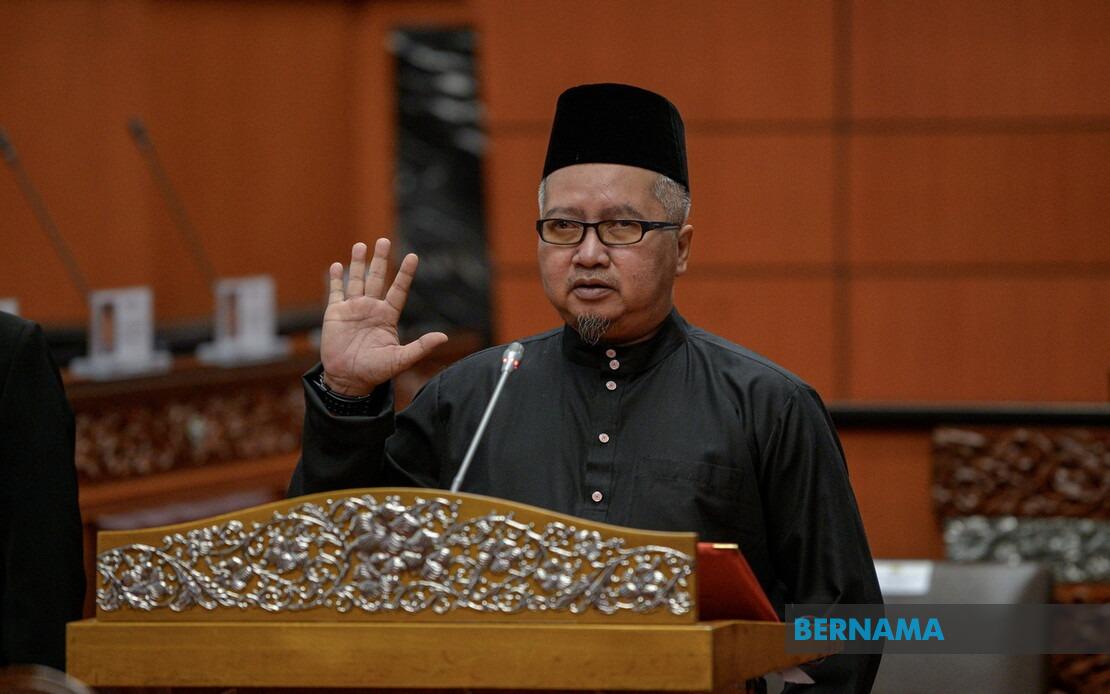
Senator Azahar Hassan, the Perlis secretary of Parti Pribumi Bersatu Malaysia, has announced his resignation from the party and all affiliated positions, taking effect immediately. In a statement released on July 9, Azahar indicated that his departure followed extensive personal reflection and an assessment of the political landscape. He emphasised that the choice stemmed from a desire to remain faithful to his core convictions and to advance a vision of governance he genuinely endorses, suggesting his political trajectory has diverged from the party's current direction.
The timing of Azahar's exit carries significance within Perlis's political ecosystem. He was appointed as a Senator through nomination by the Perlis State Legislative Assembly in October 2024, a position that typically carried weight within Bersatu's state machinery. His departure raises questions about internal cohesion within the party's northern chapter and reflects broader tensions that have periodically affected Bersatu's membership stability since its formation.
Despite severing party ties, Azahar confirmed his intention to fulfil his obligations as a member of the Dewan Negara, the upper house of Malaysia's Parliament. This distinction underscores an important constitutional principle: his resignation concerns only his party membership and leadership role, not his parliamentary duties. As a Senator, he retains the responsibility to represent Perlis's interests and participate in legislative deliberations, a commitment he reaffirmed in his statement.
Bersatu has experienced several notable departures and internal reorganisations since its formation, particularly as Malaysia's political landscape has undergone significant shifts. The party, founded in 2016, has undergone multiple phases of expansion and contraction, with varying levels of support across different states. In Perlis, one of the smaller and less densely populated states, maintaining organisational strength has proven challenging, making departures by senior figures potentially consequential for the party's grassroots presence.
Azahar's decision to leave without providing extensive public explanation or specific grievances is notable. Rather than itemising particular policy disagreements or citing governance failures, he framed his resignation in terms of personal integrity and philosophical alignment—a formulation that suggests deeper discomfort with the party's overall trajectory or strategic positioning. Such measured language often masks substantive differences that departing members prefer not to air publicly, either out of courtesy or to preserve relationships.
The statement's emphasis on reviewing "current developments" invites speculation about what specific recent events or decisions prompted his exit. Bersatu has faced various strategic dilemmas at the national level, including questions about coalition positioning and policy priorities. At the state level in Perlis, local political dynamics, resource allocation, or leadership decisions could have precipitated his departure. Without additional disclosure, observers must infer the primary motivations from available context.
Azahar's continued service in the Dewan Negara despite party resignation is administratively straightforward but politically interesting. Senators appointed by state assemblies serve at the pleasure of those assemblies and retain their seats even if they change party affiliation or party membership terminates. This arrangement allows independent-minded parliamentarians space to vote according to conscience on significant matters, though it can sometimes create complications regarding party discipline in legislative votes.
For Perlis Bersatu, the loss of a sitting Senator and erstwhile secretary constitutes a setback to organisational depth. Party secretaries typically handle administrative functions, internal communications, and represent the party structure in dealings with state authorities and community organisations. Finding a replacement requires identifying someone with sufficient stature, administrative capability, and commitment to step into a demanding volunteer position within a relatively modest state party structure.
The broader implications extend to Bersatu's attempts to consolidate support in Perlis. The party has invested energy in establishing itself as a meaningful political force across Malaysia's states, but maintaining momentum in smaller states where rival coalitions maintain deep roots requires sustained commitment from local leaders. Departures by figures like Azahar, regardless of their individual prominence, signal that the party has not fully secured internal consensus on direction and strategy.
Azahar's move also potentially affects the calculation of parliamentary alignments. While individual Senators rarely determine legislative outcomes, their voting patterns matter during close votes on constitutional amendments or confidence motions. A Senator unbound by party discipline might prove unpredictable, depending on how he interprets his remaining obligations to Perlis and national legislative priorities.
The resignation underscores an enduring challenge for Malaysian political parties: retaining members whose personal values or political vision diverge from organisational direction. Unlike strict hierarchical structures where dissent triggers swift consequences, democratic parties operating under Malaysian pluralistic norms must accommodate diverse perspectives, a tolerance sometimes tested when senior figures reach the conclusion that continued membership compromises their integrity.
Moving forward, Azahar's status as a former Bersatu figure with continued parliamentary access creates an interesting wildcard in Perlis politics. Should he eventually affiliate with another party or operate as an independent-minded legislator, his accumulated parliamentary experience and network could prove valuable. For Bersatu, his departure represents a loss requiring organisational adjustment and reflection on what drove a senior member to conclude that separation best served his political conscience.

