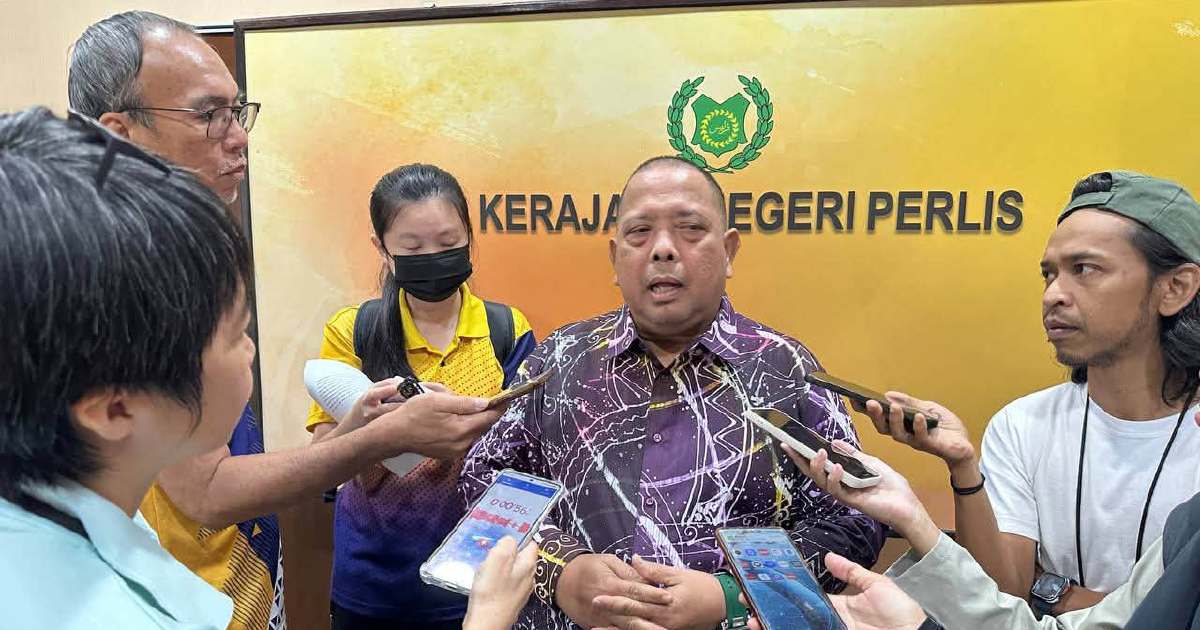
In Kangar, Perlis Menteri Besar Abu Bakar Hamzah moved swiftly to quash widespread rumours of a political realignment, emphasising that his position within Bersatu remains unchanged despite recent organisational shifts. The move comes amid persistent speculation about potential party-hopping among senior figures in the state, a recurring concern in Malaysian politics where such transitions can reshape local power dynamics and coalition arrangements.
Abu Bakar Hamzah's public restatement of loyalty signals an effort to stabilise Bersatu's standing in Perlis at a time when political movements within the northern region have drawn scrutiny. His clarification that he continues as both a member and chairman of Bersatu's Perlis chapter represents an important distinction—maintaining operational control of the party structure even as his role at the national level has evolved. This separation between state-level and federal party positions reflects the layered nature of Malaysian party organisation, where individuals can hold significant influence in one tier whilst reducing involvement in another.
The backdrop of these denials underscores the volatility of state-level politics in smaller Malaysian states, where leadership transitions and portfolio adjustments frequently trigger intense speculation about hidden agendas. Perlis, as Malaysia's smallest state by population, experiences heightened political sensitivity around such developments, as shifts in allegiance or party affiliation can have outsized effects on the state administration's stability and policy direction.
Abu Bakar Hamzah's public statements address what appears to be a pattern of concern among party members and observers tracking movements within Bersatu's leadership circles. The timing of his remarks suggests a desire to prevent narrative-building that could undermine party cohesion or invite challenge to his authority in Perlis. In Malaysian political culture, where speculation can crystallise into actual defections if left unaddressed, such preemptive clarifications serve both defensive and offensive purposes.
Bersatu's presence in Perlis carries particular significance given the party's evolution since its formation and subsequent political realignments at the federal level. The party's fortunes in the state depend heavily on maintaining stability among key figures, particularly those holding executive positions. Abu Bakar Hamzah's emphasis on his continuing chairmanship of the state wing suggests he views retention of this role as central to demonstrating his party commitment and operational effectiveness.
The reaffirmation of party membership, whilst seemingly straightforward, addresses a specific category of rumour that surfaces periodically in Malaysian politics—that senior figures are quietly preparing exit strategies or negotiating with alternative political homes. Such narratives gain traction when roles change or when individuals reduce their involvement in certain party structures. Abu Bakar Hamzah's explicit denial closes off one interpretive avenue whilst his continued emphasis on state-level leadership opens another—that his primary focus remains anchored in Perlis governance rather than federal party machinery.
Observers of northern Malaysian politics will note the broader context of coalition dynamics in the region, where Bersatu's positioning has shifted considerably in recent years. Perlis, as part of these reconfigured arrangements, requires stable leadership to navigate inter-party relationships and deliver consistent governance. Any appearance of leadership ambiguity or divided loyalties could complicate these relationships and potentially create openings for political rivals to exploit.
The nature of Abu Bakar Hamzah's denial—direct, emphasising continuity in state-level roles, and reasserting party membership—follows established protocols for Malaysian politicians addressing defection speculation. Rather than elaborate on what prompted the rumours or engage in detailed explanations of recent changes, his approach focuses on reestablishing clarity about his fundamental political identity and operational authority within Perlis.
For residents and businesses in Perlis, such clarifications carry practical implications. Leadership stability in the Menteri Besar's office translates into policy continuity and predictability in state administration. Uncertainty about a chief executive's political future can create hesitation among investors and complicate long-term planning. Abu Bakar Hamzah's reassurance addresses these practical considerations alongside the purely political dimensions of his statement.
The episode illustrates how Malaysian politics, particularly at the state level, remains susceptible to rapid narrative shifts around personnel changes. What might constitute routine administrative adjustments elsewhere can trigger speculation about larger political moves. Perlis's small scale means that such narratives circulate intensely within relatively tight political and business networks, amplifying their potential impact.
Moving forward, Abu Bakar Hamzah's continued stewardship of both the Menteri Besar position and Bersatu Perlis's chairmanship will likely determine whether this reassurance proves durable or whether fresh speculation emerges. The political landscape in northern Malaysia remains sufficiently fluid that maintaining clarity about leadership positions and party affiliations has become an ongoing communication necessity for senior figures seeking to prevent rumours from destabilising their positions or organisations.

