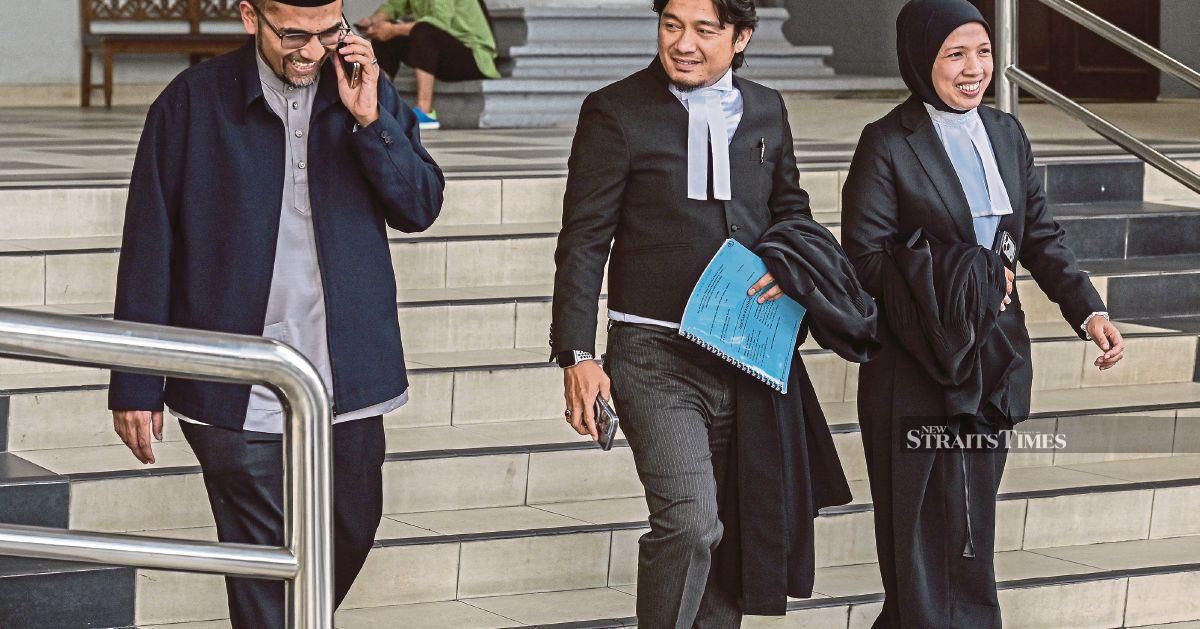
A High Court judgment has vindicated Perlis Mufti Datuk Dr Mohd Asri Zainul Abidin in a significant defamation dispute, with the court awarding him RM250,000 in damages against the operator of a Facebook account that published posts allegedly connecting him to GISB Holdings Sdn Bhd (GISBH). The ruling underscores the judiciary's willingness to protect individuals from reputational harm caused through social media platforms, an increasingly common battleground for disputes in Malaysia's digital age.
The case represents a notable intersection of Islamic religious authority, corporate controversy, and online speech in the Malaysian context. Datuk Dr Mohd Asri, who holds the position of Mufti of Perlis, occupies a prominent position within Malaysia's Islamic religious establishment. The posts in question appear to have sought to create an association between the religious figure and a company mired in public controversy, a tactic that could significantly damage professional credibility and public standing. The defendant's deliberate choice to use Facebook, a platform with broad reach across Malaysian society, amplified the potential harm from these allegations.
GISB Holdings has been the subject of considerable public scrutiny and investigation in Malaysia. The company's involvement in various educational and business ventures, combined with regulatory concerns that have periodically surfaced, has made the GISBH name itself contentious in public discourse. Any false association with such an entity carries substantial reputational consequences, particularly for someone in a position as sensitive as religious leadership, where public trust and moral credibility are foundational to authority and influence. The court's recognition of this damage reflects an understanding of how corporate controversy can contaminate the reputation of individuals through mere association.
The High Court's partial ruling in Datuk Dr Mohd Asri's favour indicates that the judge found sufficient evidence that the Facebook posts contained defamatory material. Defamation law in Malaysia requires demonstrating that a statement was false, published, caused harm to reputation, and was made without lawful justification or privilege. The award of RM250,000 suggests the court assessed the severity of the false allegations and the extent of reputational injury caused by their circulation on a social media platform accessible to thousands of users. The quantum of damages awarded indicates judicial recognition that online defamation can cause harm equivalent to or exceeding that of traditional media publication.
The reference to a "partial" ruling deserves careful consideration, as it suggests the mufti may not have succeeded on all claims presented in the original suit. This nuance is significant for understanding the boundaries of defamation protection in Malaysia. The court's selective acceptance of certain claims while dismissing others indicates that judges apply careful scrutiny to defamation cases, requiring clear proof of falsehood and malice. The partial nature of the victory, while favourable to Datuk Dr Mohd Asri, demonstrates that defamation law does not provide absolute protection against all negative commentary, particularly where statements contain elements of opinion or partial truth.
For Malaysian legal observers, this case contributes to the evolving jurisprudence surrounding online defamation. Malaysian courts have increasingly engaged with questions of social media liability, particularly regarding the responsibility of platform users and, in some instances, the platforms themselves. This judgment adds precedent to the principle that Facebook account operators may face personal liability for defamatory posts they publish, regardless of the informal nature of the platform or the pseudonymous character that social media sometimes enables. The ruling may serve to discourage similar campaigns of online allegation-making against public figures.
The implications for public figures and religious leaders in Malaysia are noteworthy. Religious authorities operate in a space where reputation and public confidence are paramount to their effectiveness and legitimacy. An unfounded connection to a controversial company could undermine a religious leader's ability to command respect and influence within their community. This judgment provides a legal avenue for such figures to seek redress when their standing is attacked through demonstrably false online posts. It signals that Malaysia's courts will not permit the spread of false and damaging allegations through social media without consequences.
The defendant's identity remains somewhat obscured in the available information, suggesting either anonymity of the original Facebook account or legal protections afforded to the individual during proceedings. Nevertheless, the judgment is now enforceable, and the award of damages represents a significant financial consequence for publishing defamatory content online. This outcome may have a chilling effect on others considering similar campaigns, as the financial liability becomes concrete rather than theoretical.
The case also reflects broader tensions in Malaysian society regarding the intersection of digital communication, corporate accountability, and religious authority. While online platforms have democratised speech and enabled ordinary citizens to comment on public figures and entities, defamation law establishes boundaries around the permissibility of false and damaging statements. Balancing free expression with protection of reputation remains a challenging area, and this judgment represents one point on that spectrum.
For Malaysian readers, particularly those engaged in online discourse, the case serves as a reminder that social media posts are not consequence-free utterances. Publishing false allegations about identifiable individuals, even on informal platforms, can trigger legal liability. The judgment validates the recourse available to those who have been targeted by false online posts and demonstrates that Malaysian courts will quantify reputational harm in concrete monetary terms. The RM250,000 award sends a clear message that reputational attacks, particularly those without factual foundation, carry a measurable cost in Malaysian law.

