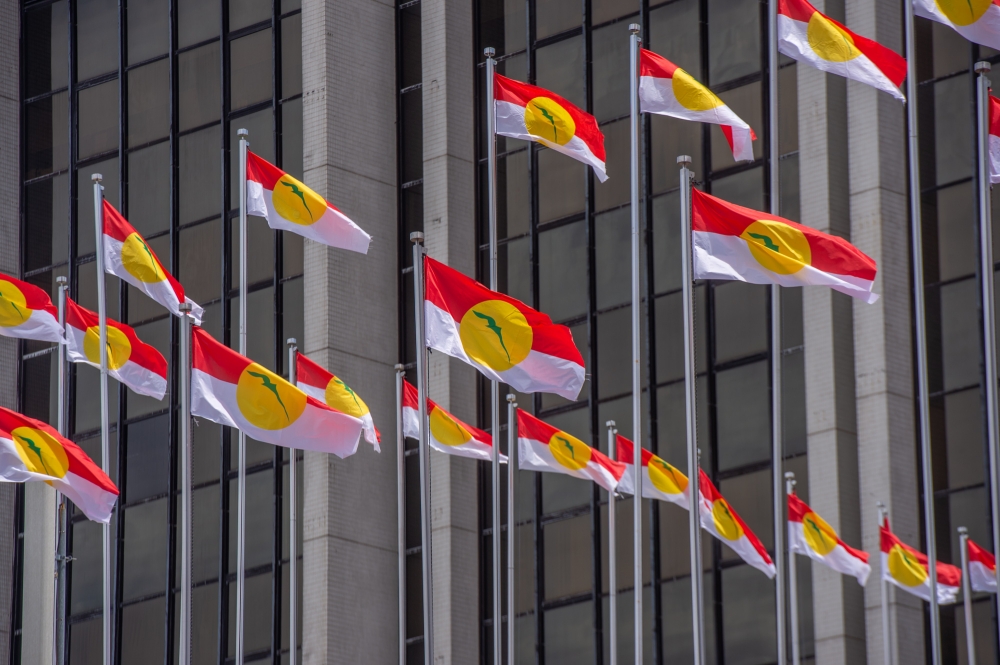
The Umno machinery in Perlis is entering a new phase of electoral preparation, gearing itself to contest all 15 state assembly seats and the three parliamentary constituencies independently at the forthcoming general election. This move represents a substantial departure from the coalition-based approach that has long characterised Malaysian electoral politics, particularly in the northern state where Umno has traditionally shared constituencies with alliance partners under the Barisan Nasional framework. The announcement underscores internal recalibrations within the party's northern operations and reflects broader calculations about electoral viability in the state.
The decision to pursue a unilateral candidacy approach carries implications beyond Perlis's immediate political landscape. For years, the coalition system has allowed established parties to manage competition and distribute winning prospects among trusted partners. By moving toward sole representation, Perlis Umno signals confidence in its grassroots organisation and suggests that party strategists believe internal strength can compensate for the loss of coalition vote-pooling mechanisms. This confidence may stem from recent electoral performance, changed demographic patterns, or assessments about rival party strength in the state.
Perlis occupies a particular position within Malaysian politics. As the smallest state by population, it frequently serves as a testing ground for electoral strategies before broader implementation. Political observers often monitor developments here for signals about shifting national dynamics. An Umno-only approach in Perlis could indicate that the party is reconsidering its relationship with coalition partners more broadly, or conversely, that it judges the local political environment as sufficiently favourable to warrant exceptional measures. Understanding the reasoning behind this decision requires examining both state-level factors and national party politics.
The announcement also intersects with ongoing debates about party autonomy within coalition structures. Coalition politics in Malaysia has functioned through negotiated seat allocations, whereby each member party receives constituencies deemed competitive or safe. This system has provided stability but has also constrained parties' ability to pursue maximum parliamentary representation. If Umno leadership in Perlis genuinely believes it can win all 18 seats—a substantial claim—then the coalition framework becomes a constraint rather than an asset. This represents a notable assertion of competitive confidence.
Opposition parties in Perlis will view this development with keen interest. The Perlis political landscape has historically featured competition between Umno-led coalitions and opposition blocs, with varying configurations of backing from Pakatan Harapan components. A unilateral Umno campaign could create opportunities if the party overextends itself, or it could reflect genuine organisational dominance that opposition forces struggle to challenge. The state's voters will ultimately determine whether Umno's assessment proves accurate.
For the broader Barisan Nasional alliance, Perlis's decision introduces questions about coalition cohesion. If Umno proceeds alone, this implicitly signals a recalibration of partnership arrangements. Coalition partners who previously held Perlis constituencies may face difficult decisions about their own positioning, particularly if other state-level or parliamentary considerations depend on Barisan unity. The precedent set in one state could ripple through other regions, making this seemingly local announcement potentially significant for national coalition dynamics.
The preparation phase that Umno has initiated will involve substantial organisational effort. State machinery must be activated, candidates selected, campaign resources allocated, and grassroots networks mobilised across all 18 constituencies simultaneously. This demands coordination, financing, and human capital considerably larger than managing a subset of seats. The party's ability to execute this expanded campaign effectively will become apparent only when campaigning begins in earnest.
Electoral history provides context for assessing the feasibility of Umno's ambition. Perlis has alternated between different political coalitions and configurations over multiple election cycles. While Umno has maintained strong presence, claiming all seats represents a more demanding target than the party has typically pursued. Understanding whether this reflects new organisational capacity, changing voter preferences, or strategic miscalculation will depend on actual election results.
Regional political trends also inform this development. Northern Malaysia has experienced varied political currents in recent years, with different states showing distinct electoral patterns. Perlis's move toward Umno-only candidacy may reflect confidence about the party's position relative to opposition forces, or it may represent an attempt to maximise Umno's parliamentary representation amid broader uncertainty about coalition performance. The timing of this announcement, relative to national political dynamics, deserves consideration alongside local factors.
The decision also raises questions about messaging and voter appeals. Running unopposed within a coalition differs fundamentally from competing against opposition parties while also managing internal Umno dynamics. A unilateral campaign allows the party to concentrate messages and resources but removes the coalition framing that has historically provided certain strategic advantages. Perlis voters will encounter an electoral presentation emphasising Umno's direct appeal rather than coalition unity narratives.
Looking ahead, this preparatory phase will determine whether Umno's confidence translates into electoral success. The party's machinery in Perlis, supported by state and national leadership, faces an ambitious target that will require exceptional organisational execution. Success would validate the strategic decision and potentially encourage similar approaches elsewhere; failure might lead the party to reconsider the coalition framework's practical value.
The Perlis Umno announcement ultimately reflects the complex calculus that shapes Malaysian political strategy, where local conditions intersect with national imperatives, and where confidence about organisational strength must translate into actual voter support. The coming election will provide definitive answers about whether the machinery assembled proves sufficient for the ambitious target now established.

