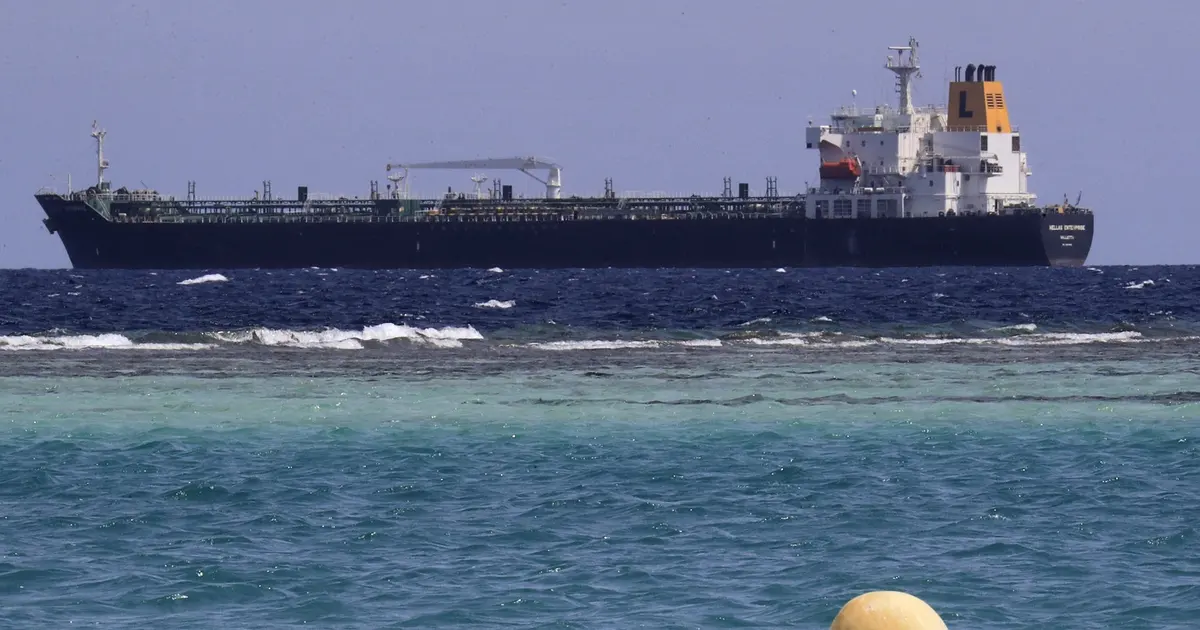
A petroleum tanker operated by national oil company Petronas has been authorised to proceed through the Red Sea, with arrival at the Port of Melaka anticipated within the next four weeks. The clearance represents a significant moment for Malaysia's maritime logistics as regional shipping routes face ongoing disruption from security concerns affecting international commerce. Prime Minister Anwar Ibrahim characterised the news as demonstrating the concrete benefits of pursuing a measured and balanced foreign policy strategy in addressing regional challenges.
The Red Sea corridor remains one of the world's most critical maritime passages, connecting European and Asian markets through the Suez Canal. In recent months, tensions affecting this waterway have created complex operational challenges for shipping companies and energy firms dependent on reliable passage. The clearance granted to the Petronas vessel signals that navigation through the region remains possible under the right diplomatic circumstances, though the situation continues to evolve.
For Malaysia's energy sector, the safe transit of Petronas vessels carries substantial economic implications. Petronas stands as a cornerstone of Malaysia's petroleum industry and a significant contributor to national revenue through crude oil and liquefied natural gas operations. Any disruption to the company's shipping capacity affects not only Petronas's operational efficiency but also Malaysia's export capacity and the broader energy security position of the nation in regional markets.
The arrival of the vessel at Melaka port underscores the Port's importance as a regional maritime hub. Melaka's strategic location along the Strait of Melaka, through which approximately one-third of global maritime trade transits, makes port operations there critical for both Malaysia and international commerce. The successful docking of a major energy sector vessel demonstrates the Port's continued functionality as a crucial link in regional and global supply chains.
Anwar Ibrahim's reference to the development as validation of Malaysia's foreign policy approach reflects the government's broader positioning in navigating complex geopolitical tensions. Malaysia has consistently sought to maintain relationships with multiple parties while avoiding entanglement in regional disputes that could compromise its commercial interests. This balancing act requires careful diplomatic engagement and consistent messaging about the nation's commitment to stability and free passage of goods through international waters.
The maritime security environment affecting the Red Sea involves multiple overlapping concerns including piracy, regional military activities, and commercial disruption. Countries and companies operating through these waters must assess risk levels continuously and coordinate with relevant authorities to ensure safe passage. Petronas's successful clearance suggests that through appropriate channels and diplomatic preparation, Malaysian interests can be protected while maintaining broader international relationships.
For Malaysian port operations and associated industries, the continued flow of energy sector shipping represents steady business for port services, logistics providers, and related enterprises. Melaka's infrastructure supports multiple sectors including petrochemical handling, shipping services, and maritime commerce. The arrival of major vessels reinforces the importance of maintaining world-class port facilities and professional maritime services that attract international shipping traffic.
The timing of the vessel's clearance and expected arrival also carries implications for Malaysia's positioning within Southeast Asia. As a respected middle power in the region with significant economic interests in maintaining open waterways, Malaysia's experiences with maritime transit directly affect its credibility when engaging with other nations on shipping and commerce issues. Successful navigation of current challenges strengthens Malaysia's voice in regional forums addressing maritime security and freedom of navigation.
Looking beyond this single vessel, the clearance represents a data point in Malaysia's broader assessment of Red Sea conditions and the viability of continued operations through the region. Energy companies and shipping firms operate based on calculated risk assessments, and the successful clearance of a major national company vessel provides valuable information for planning future operations. This may encourage other Malaysian firms to maintain or expand their commercial activities in affected regions, provided security conditions remain manageable.
The foreign policy dimension that Anwar Ibrahim emphasised reflects Malaysia's philosophical approach to international engagement. Rather than aggressive posturing or isolationism, Malaysia seeks practical solutions that preserve its commercial interests while maintaining diplomatic relationships across the spectrum of international actors. This pragmatic stance has historically allowed Malaysia to punch above its weight in regional affairs and maintain economic stability despite external turbulence.
The broader lesson from the Petronas vessel's clearance extends beyond immediate petroleum logistics. It demonstrates that even during periods of regional tension, carefully managed diplomacy and clear communication of legitimate commercial interests can enable nations to maintain essential economic activities. For Malaysia, this validates the investment in cultivating relationships and reputation across multiple diplomatic channels that can prove valuable when navigating periods of international complexity.

