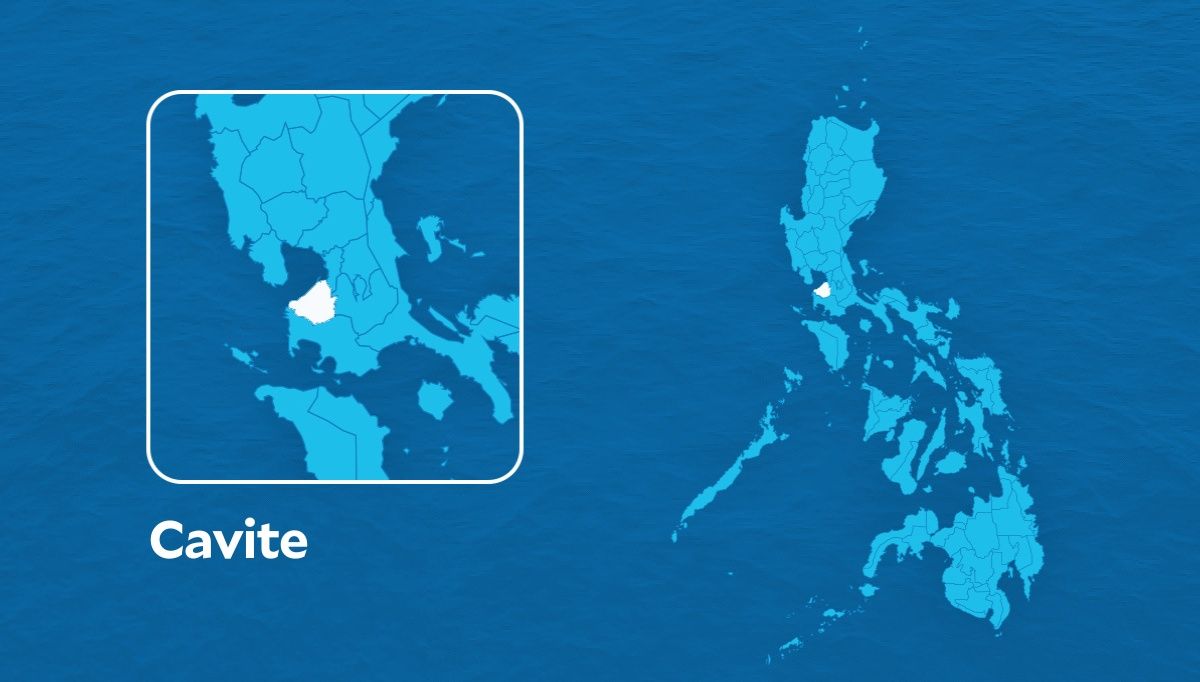
Police in Cavite province thwarted what could have been a tragic incident after school administrators and law enforcement acted decisively on a credible threat of violence. A Grade 10 student from General Mariano Alvarez was taken into custody following the discovery of an improvised, unregistered firearm, with authorities crediting the swift intervention of school officials for preventing potential harm to students and staff.
General Mariano Alvarez Technical High School (GMATHS) first became aware of concerning communications on June 28, when educators flagged alarming information suggesting a student was planning a shooting on the school premises. The school immediately escalated the matter to local law enforcement, demonstrating the kind of institutional vigilance that child safety experts emphasize as critical in preventing violence in educational settings. Rather than dismissing the threat or handling it internally, administrators followed proper protocol by engaging police and community authorities from the outset.
The Cavite Police Provincial Office responded promptly to the school's alert, conducting an investigation that led them to locate and recover the improvised firearm before the alleged attack date of July 2. According to reports, a teacher had discovered online messages containing the student's stated intentions, providing concrete evidence that warranted immediate police action. The discovery of the weapon—crude though it may have been—confirmed that the threat possessed a tangible, dangerous dimension beyond mere words or passing anger.
The case underscores a growing challenge confronting schools across Southeast Asia, where access to weapons and exposure to violent ideologies through social media create new vulnerabilities. The Philippines has witnessed increasing concerns about youth violence and school safety in recent years, prompting educational institutions to develop threat assessment protocols and strengthen relationships with local police. This incident demonstrates that such measures, when properly implemented, can intercept crises before they escalate into tragedy.
Authorities have not disclosed the student's identity, in accordance with Philippine juvenile justice laws designed to protect minors from public identification during criminal proceedings. The Cavite Police Provincial Office transferred the suspect to the Municipal Social Welfare and Development Office (MSWDO), which will oversee rehabilitation and intervention measures under the Juvenile Justice and Welfare Act. This statutory framework reflects the Philippines' commitment to treating minors in conflict with the law as children first, requiring rehabilitation rather than purely punitive responses.
The investigation remains ongoing as prosecutors prepare formal charges against the student. Police have indicated they will proceed within the bounds of existing legislation, though the specific charges have not yet been publicly announced. The legal process will likely balance accountability with the recognition that a child involved in such serious planning may be suffering from psychological distress, trauma, or radicalization that warrants therapeutic intervention alongside any judicial consequences.
School officials have maintained confidentiality about most details, a decision aligned with both legal requirements and best practices in crisis management. Sharing excessive information about threats, suspects, or security vulnerabilities can inspire copycat attempts or create unnecessary panic within school communities. The GMATHS leadership's measured communication strategy—confirming a threat was neutralized without sensationalizing details—reflects professional crisis response.
The Cavite Police Provincial Office used the incident to reinforce messaging about collective responsibility in maintaining school safety. Authorities emphasized that successful threat prevention depends on coordination between educators, families, barangay officials, and law enforcement, each playing essential roles in recognizing warning signs and reporting concerns through proper channels. This multi-stakeholder approach acknowledges that no single institution can monitor all risks, particularly those originating from digital communications that may not surface through traditional school channels.
Police also cautioned the public against spreading unverified information or revealing details about the minor's identity, noting that such disclosure violates Philippine law and can compromise ongoing investigations. The warning reflects broader tensions in the social media age, where dramatic incidents attract public attention and speculation that may interfere with appropriate legal processes and harm vulnerable individuals, particularly children.
The successful outcome of this case—with the threat identified, contained, and referred to appropriate authorities before any violence occurred—provides a model for how institutional structures, when functioning effectively, can protect communities. However, it also raises questions about how many similar threats may go unreported or undetected, particularly in schools with fewer resources or weaker relationships with law enforcement. The incident serves as a reminder that school safety in the Philippines, as throughout Southeast Asia, requires sustained investment in training, communication systems, and psychological support services alongside security measures.

