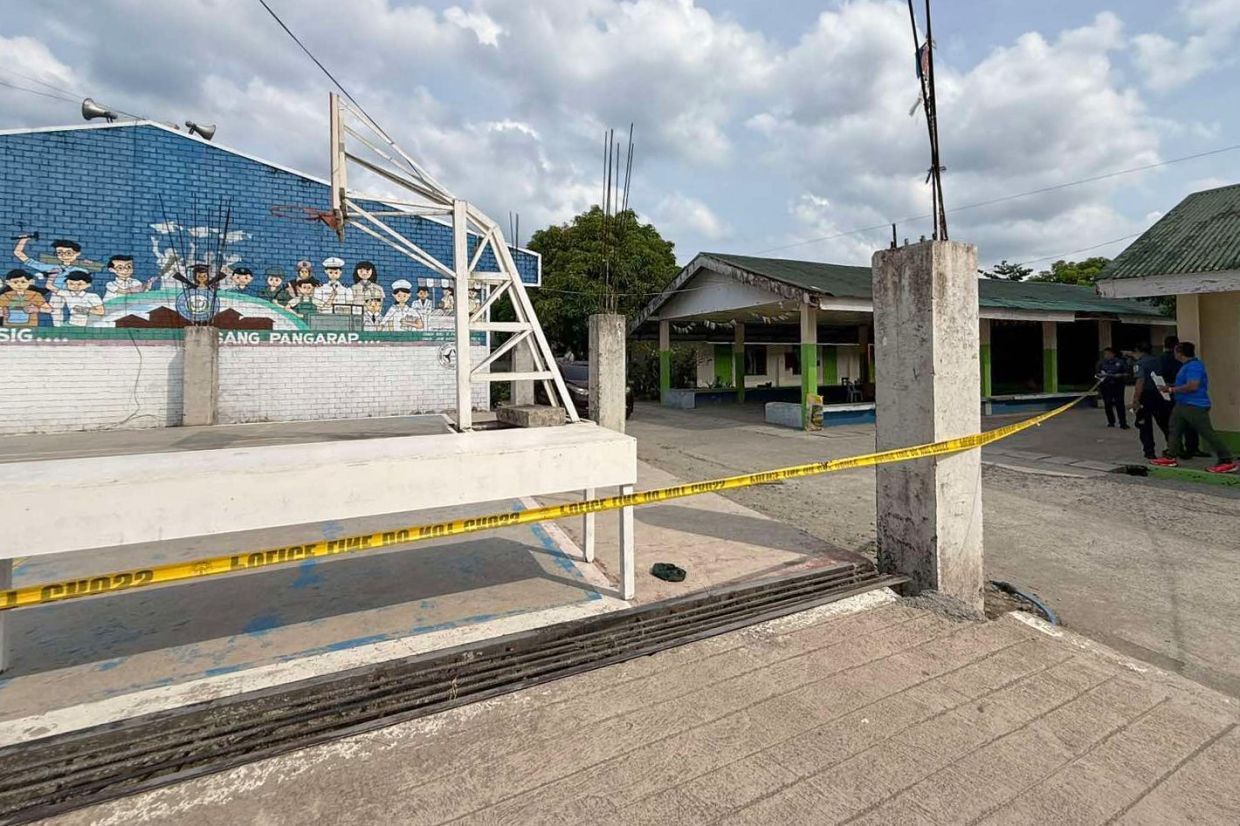
A 14-year-old girl studying at Tolosa National High School in Leyte province was apprehended by Philippine National Police investigators after she allegedly posted violent threats on social media targeting her own school. Interior Secretary Jonvic Remulla announced the detention on Thursday, June 25, revealing that the student had used multiple Facebook accounts to distribute threatening messages following the San Jose National High School shooting incident that occurred earlier in the week.
The arrest came after Senator Bam Aquino tipped off authorities about the female Grade 10 student's inflammatory social media post from Wednesday evening. The PNP-Criminal Investigation and Detection Group moved swiftly to locate and question the minor, uncovering what investigators believe was a coordinated effort to intimidate fellow students through multiple online accounts. Police digital forensics specialists identified the accounts through social media analysis combined with reports from concerned community members who had witnessed the threatening posts.
The content of the threats was explicit and intended to generate fear among the school's population. The student's post stated: "Hello. Send this to your friends. Yo, from Tolosa, prepare yourselves, especially to you, as you owe me. Get ready. I will disrupt the school." The message continued with further alarming language: "You won't know me, but you will recognise me. There is no time nor day. Be prepared for whoever gets shot or stabbed. We don't care. Good luck to you at Tolosa National High School." The ominous tone and specific reference to shooting and stabbing reflected a pattern seen in similar threat communications that authorities have increasingly monitored in the region.
However, the case faced immediate legal complications. Once officers took custody of the minor, prosecutors determined that no formal charges could be filed against her under Republic Act No. 9344, the Juvenile Justice and Welfare Act, which provides special protections for young offenders. This statutory limitation meant that despite the severity of the threat, authorities were required to release her to the Department of Social Welfare and Development rather than pursue traditional criminal prosecution. The legal framework, while designed to protect minors from the adult justice system, has created challenges for law enforcement attempting to deter online threats of mass violence.
Investigators discovered that the student had created multiple accounts specifically to spread the threatening messages, suggesting a deliberate campaign rather than an isolated outburst. When officers approached her and her family, however, they encountered resistance. Remulla noted that the girl "was hesitant and uncooperative due to the fear of repercussions," while her parents refused to cooperate with police when contacted by the Tolosa Municipal Police Station. This family reluctance to engage with authorities complicated the investigation and may have prevented investigators from understanding the full motivations behind the threats.
During questioning and follow-up interviews, authorities concluded that personal and family difficulties likely prompted the threatening posts rather than a genuine intent to carry out violence. Remulla stated that investigators found "no evidence of an organised plan or involvement of others," and critically, "neither the minor nor her family had access to firearms." This assessment suggested the threats were expressions of distress rather than actionable plans, though the distinction offered little comfort to other students who read the menacing messages online.
Police investigators focused attention on a potential connection between the girl's behaviour and the San Jose National High School shooting that had occurred just days earlier. That incident, carried out by two students aged 14 and 15, resulted in three fatalities and wounded at least 20 others, sending shockwaves through the education sector and prompting urgent discussions about youth violence and school safety. The timing of the Tolosa threat post—coming immediately after extensive media coverage of the Tacloban tragedy—raised questions about contagion effects and whether graphic news reporting might be inspiring copycat threats among vulnerable young people.
A particularly notable detail emerged during the investigation: Remulla revealed that both the suspects in the San Jose shooting and the Tolosa student were enthusiastic players of GoreBox, a video game featuring graphic violence. Following the school shooting, the Cybercrime Investigation and Coordinating Centre moved to temporarily ban the game, reflecting government concern that violent gaming content might be contributing to aggressive behaviour among adolescents. Whether the game served as inspiration, motivation, or merely coincidental common interest among troubled youth remains unclear, but the correlation prompted regulatory action.
The incident underscores deepening anxieties about online threats and school safety across the Philippines, particularly in Visayas region. The ease with which students can create anonymous or pseudonymous accounts to post threatening content, combined with the rapid spread of such messages through social networks, has created new vulnerabilities that traditional law enforcement mechanisms struggle to address effectively. While Remulla stated that "following engagement with their family, the threat appears to be neutralised and inactive," the underlying systemic issues driving young people to post threats of mass violence remain largely unresolved.
For Malaysian readers and educators in Southeast Asia, the Philippine incidents serve as cautionary reminders of how quickly crises can escalate in educational settings and the dangers posed by unmoderated online platforms accessible to minors. The ability of a single troubled teenager to generate widespread fear across an entire school community through social media demonstrates the amplification power of digital communication and the challenges facing school administrators tasked with distinguishing genuine threats from angry outbursts. Regional authorities may need to strengthen protocols for rapid response to online threats while simultaneously developing more effective support systems for at-risk youth before they escalate to posting violent content.

