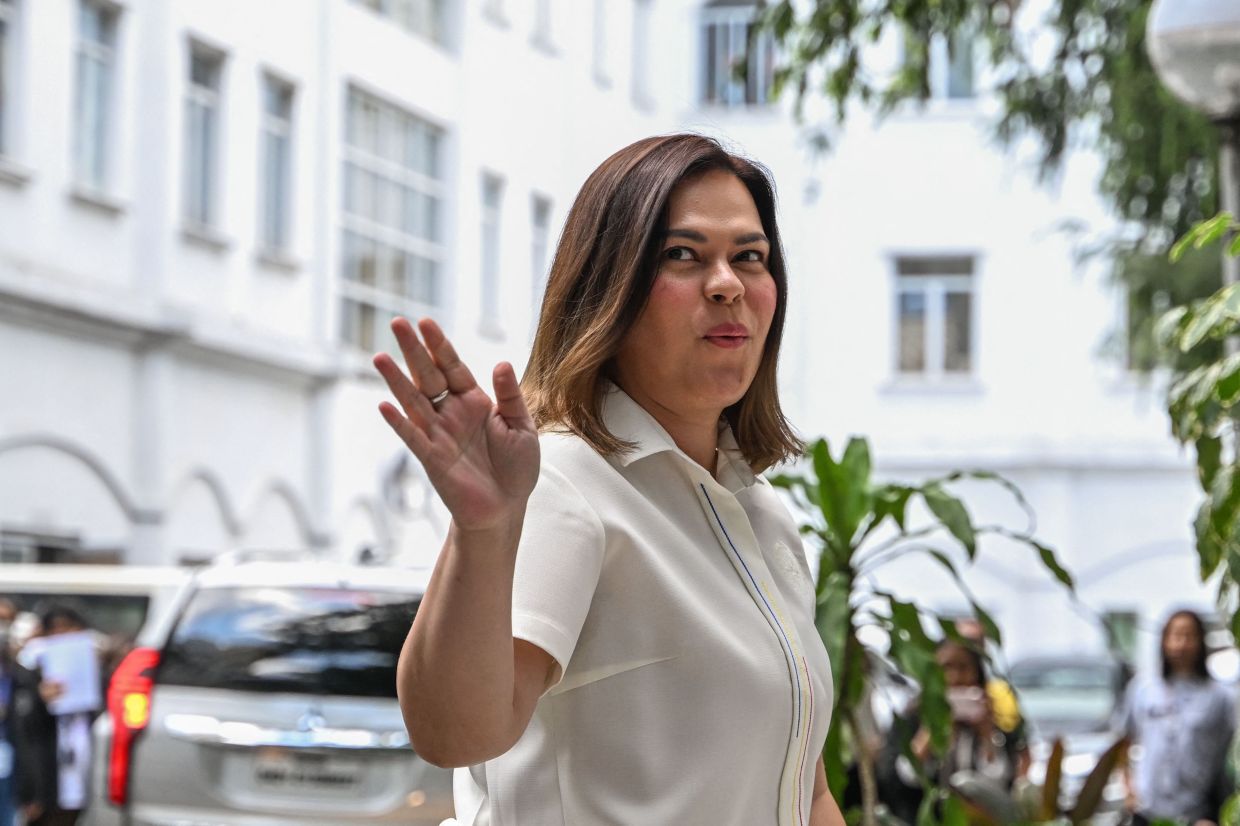
The Philippine government has officially confirmed that Vice President Sara Duterte is currently outside the country on an approved foreign excursion that will keep her away until the end of July, a period that notably coincides with her impeachment proceedings. Palace spokesperson Claire Castro announced the trip's authorisation at a media briefing on Tuesday, revealing that President Ferdinand Marcos Jr granted permission through the Office of the Executive Secretary for the Vice President to travel from July 16 through 31 across multiple European and Middle Eastern destinations.
The itinerary for what the Palace characterised as a "personal trip" encompasses visits to Qatar, Germany, the United Kingdom, Northern Ireland, and the Netherlands. Duterte's defence team confirmed through lawyer Michael Poa that she is currently in The Hague, the Netherlands, though they indicated her return to the Philippines would occur soon. The timing of the foreign travel, occurring as impeachment hearings proceed in Manila, has naturally drawn public and political scrutiny given the sensitive nature of her legal situation at home.
The Vice President's presence in The Hague carries particular significance beyond the ordinary diplomatic travel undertaken by high-ranking officials. She is reportedly visiting her father, former President Rodrigo Duterte, who has been detained in the Dutch capital since March of the previous year. The former president remains in custody while awaiting trial before the International Criminal Court, scheduled for November 30, on grave charges of crimes against humanity linked to the bloody drug and criminal campaign executions that defined his years leading both Davao City and the Philippine nation.
Rodrigo Duterte's detention in The Hague followed his arrest by Philippine authorities acting upon an ICC warrant issued in March 2025. The charges against the former president centre on alleged responsibility as an indirect co-perpetrator for the extrajudicial killings that occurred throughout his tenure, particularly during his administration's highly publicised war on drugs and crime. These killings, which international human rights organisations have criticised extensively, took place across his nineteen years as Davao mayor and his six years as national president, spanning the period from 2011 through 2019.
The approval of the Vice President's foreign travel during an active impeachment proceeding presents a complex political situation within the Philippine constitutional framework. While the Palace presented the trip as a routine personal journey requiring standard executive approval, the juxtaposition of her absence from the country with ongoing legislative action against her has generated considerable discussion. The ability of government officials to travel internationally while facing serious political or legal challenges reflects the ongoing balance between executive privilege and legislative accountability in Philippine democracy.
The fact that Duterte's travel was explicitly approved by President Marcos Jr signals governmental coordination on the matter, suggesting the executive and the Vice President's office maintained communication regarding the trip's timing and necessity. This approval mechanism underscores how presidential authority over executive branch movements operates in practice, even when those movements occur against the backdrop of constitutional crises or legislative investigations. Such decisions often involve careful calculation of political optics and constitutional propriety.
From a regional perspective, the continued detention of a former Philippine president at an international criminal court facility in Europe represents a significant moment in Southeast Asian political history. The case demonstrates how international justice mechanisms can intersect with domestic politics, particularly when leaders from the region face charges for actions undertaken during their time in office. The involvement of the ICC in Philippine internal affairs has generated substantial debate about sovereignty, jurisdiction, and the role of international institutions in holding leaders accountable.
For Malaysian and other Southeast Asian observers, the situation illuminates ongoing tensions between national sovereignty and international legal obligations. The Philippines, through this ICC case, navigates the complex intersection of domestic political processes—including impeachment proceedings—and international criminal prosecution. How nations respond to such overlapping jurisdictions and the political consequences they generate for families and administrations remain relevant considerations for the broader region.
The impeachment proceedings against Vice President Duterte represent a significant constitutional development in the Philippines, and her absence from the country during these proceedings, however briefly justified, underscores the intensity of the political dynamics at play. The approval granted by President Marcos Jr demonstrates that despite any political tensions, formal coordination between the executive offices continued. The trip's duration through July 31 means Duterte will miss several weeks of hearings and proceedings, which will be conducted in her physical absence, though her legal team continues representing her interests.

