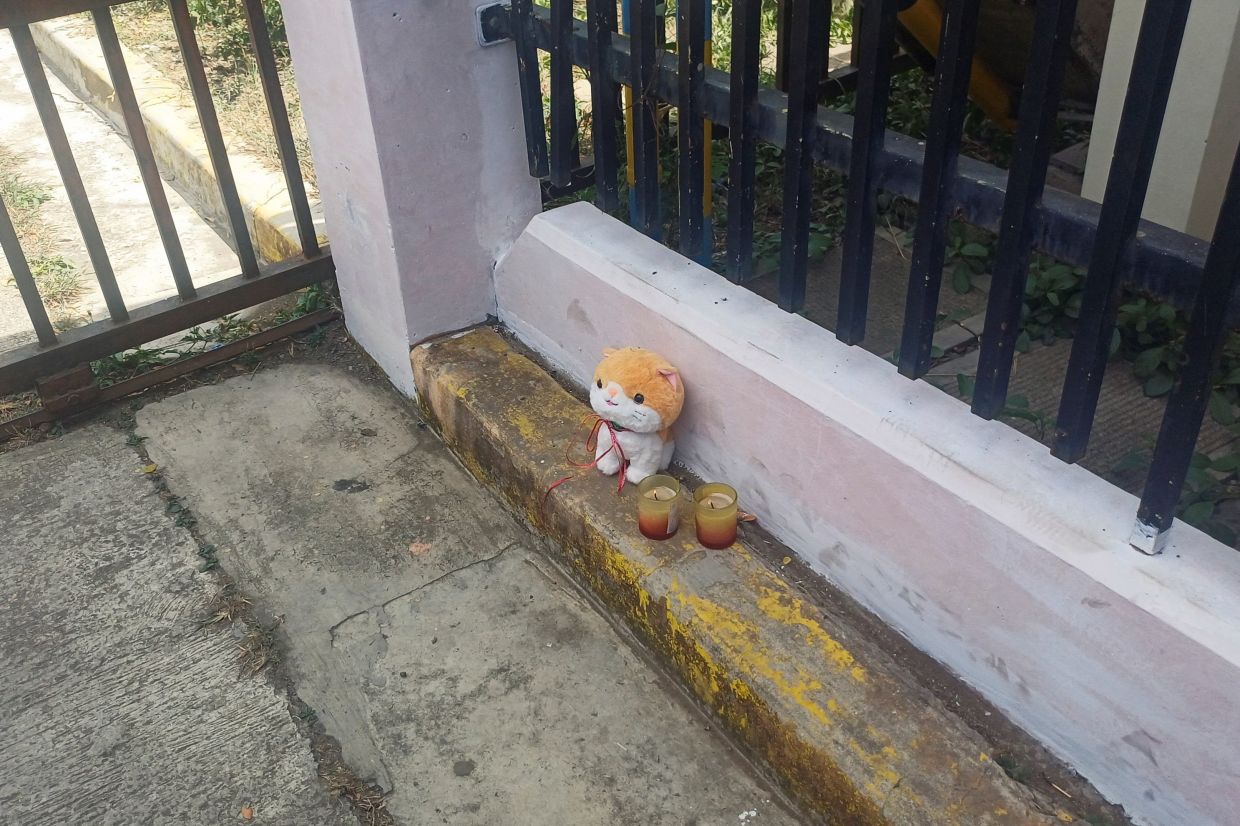
The second deadly school shooting in the Philippines within two months has triggered urgent conversations about preventing youth violence, with particular focus on how a student academically described as high-performing managed to livestream an attack on his classmates before taking his own life. The August 18 incident at Ateneo de Zamboanga University in Zamboanga City killed two students, including the shooter, and wounded two others, leaving authorities and policymakers searching for systemic solutions to an issue long considered rare in the country.
Education Secretary Sonny Angara's visit to the campus in the aftermath underscored a troubling realisation: traditional warning signs may have been entirely absent. The student's teachers perceived no disciplinary issues, and his academic record was exemplary—a profile that confounds the conventional understanding of threat assessment in schools. This disconnect between external appearances and internal intent has forced educators and administrators to reconsider how institutions identify vulnerable youth. Angara emphasised that the tragedy revealed the limits of physical security infrastructure, noting that fences, surveillance cameras and metal detectors, while necessary, cannot address the deeper psychological and social dimensions of potential attackers.
The role of social media in amplifying the violence has emerged as a central concern for lawmakers drafting policy responses. The student's use of body-worn camera technology to broadcast the shooting in real time raised alarms about how graphic content circulates through digital platforms, potentially desensitising young viewers to violence. Senate President Sherwin Gatchalian has emerged as a key voice advocating for legislation that would prohibit children under 16 from accessing social media platforms altogether, arguing that early exposure to livestreamed violence normalises such acts among impressionable audiences. This approach seeks to create age-gated restrictions similar to those governing traditional entertainment media.
Parents grappling with the incident's aftermath have highlighted the compounding effect of digital misinformation. One mother, whose college-age daughter attends a different campus of the same university, described how conflicting reports and graphic videos spread rapidly through messaging groups and social networks, amplifying parental anxiety beyond the immediate tragedy itself. The absence of consistent, authoritative information online left families confused and distressed, underscoring how digital ecosystems can magnify rather than mitigate public concern during crises. This pattern suggests that social media regulation must address not only harmful content itself but also the chaotic information environment surrounding traumatic events.
Simultaneously, investigations into how the student obtained access to firearms have opened another policy avenue. The shooter used his father's weapons, including a .40-calibre pistol that had been issued by the Bureau of Customs, prompting Interior Secretary Jonvic Remulla to call for strengthened accountability measures among gun owners. Current legislation appears insufficient to deter negligent firearm storage, particularly when minors are in the household. Remulla's advocacy for elevated penalties against gun owners whose weapons are accessed by young people would create tangible consequences for lax security practices, theoretically reducing the pathway through which students like this perpetrator could gain lethal implements.
The broader legislative agenda emerging from these discussions reflects tension between competing approaches to school safety. Some lawmakers emphasise technological and architectural solutions, while others argue for cultural and regulatory shifts targeting access and information dissemination. Remulla has additionally urged the legislature to undertake a comprehensive review of existing firearms laws, suggesting that the current regulatory framework contains loopholes or inadequacies that permitted this incident. Police investigations continue into the precise sequence of events, the student's psychological state and motivation, and the forensic analysis of his electronic devices—information that may reveal whether warning signs existed in digital spaces that physical school personnel never accessed.
The case presents particular challenges for Philippine school administrators, where such incidents remain statistically uncommon despite recent escalation. Unlike countries with frequent mass shootings, the Philippines lacks an established body of institutional knowledge about threat recognition and intervention at the school level. Teachers and counsellors trained in Western models of student mental health assessment may struggle to apply those frameworks in the local context. Angara's appeal for community-based intervention and personal attention to students reflects recognition that preventing such violence requires cultural shifts alongside policy changes—encouraging schools and families to notice and respond to subtle changes in student behaviour, even when no obvious red flags emerge.
For Southeast Asian observers, the Philippines' situation offers instructive parallels and contrasts. While Indonesia and other regional neighbours experience higher rates of violent crime generally, school-based gun violence has not emerged as a widespread phenomenon, partly due to stricter civilian firearms restrictions in many countries. The Philippine case, however, highlights how pockets of civilian gun ownership—particularly among government or military-connected families—create vulnerability when security measures break down. The convergence of firearm access, social media amplification, and gaps in youth mental health infrastructure suggests that other nations in the region with similar conditions should take note.
The incident has intensified pressure on Philippine legislators to act, with multiple bills likely to be introduced in the coming weeks addressing social media age restrictions, firearm penalties, and school security protocols. Gatchalian's proposal to ban under-16 social media access represents the most far-reaching intervention currently under serious consideration, though implementation and enforcement would present formidable challenges in a nation where digital access shapes educational and social participation. The debate itself reflects deeper uncertainty about whether structural interventions targeting technology and weapons can prevent determined individuals from causing harm, or whether the focus should remain on early identification of psychological distress and immediate threat containment once attacks begin.
Moving forward, the Philippines faces the complex task of balancing privacy, developmental freedom, security and prevention—with the knowledge that no policy perfectly addresses all dimensions of the problem. The second school shooting within months has created political momentum for change, yet translating that urgency into effective, implementable legislation that protects young people without unnecessarily restricting their development remains the central challenge confronting lawmakers and educators alike.

