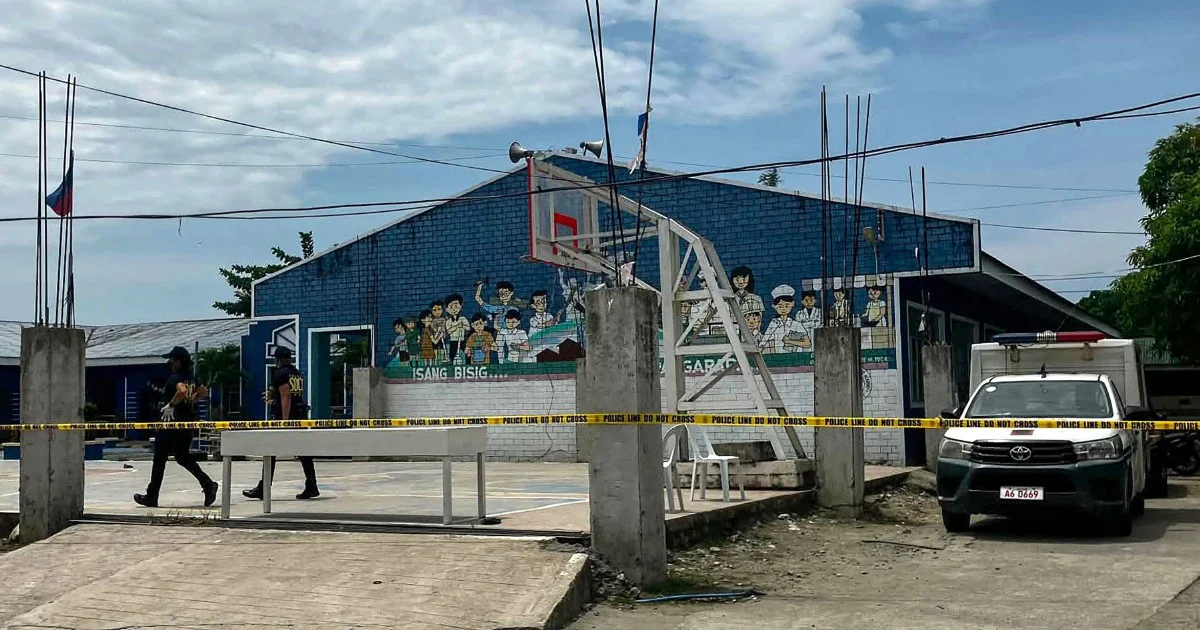
Philippine President Ferdinand Marcos Jr. has directed authorities to launch a full investigation following a shooting incident at a school in Tacloban that resulted in three deaths and five additional injuries. The directive, announced on Monday, represents an immediate governmental response to the violence and signals the administration's intent to determine the circumstances surrounding the attack and identify those responsible.
Tacloban, the capital city of Leyte province in the eastern Visayas region, has become the site of this latest firearms-related incident to shock the nation. Schools across the Philippines have long been considered safe spaces for learning, making violence of this magnitude at an educational institution particularly alarming to parents, educators, and policymakers. The incident underscores persistent concerns about public safety and the accessibility of weapons in communities nationwide.
The order for investigation suggests the presidency is treating the matter with urgency and seriousness. Such directives typically involve coordination between local police, regional law enforcement, and national security agencies to conduct a thorough examination of how the shooting occurred, what motivated the perpetrator or perpetrators, and what security lapses may have contributed to the attack. The scope of inquiry would likely encompass witness statements, ballistic evidence, and the shooter's background and motives.
For Malaysian observers, the incident raises questions about the broader security environment in Southeast Asia's second-largest archipelago. The Philippines has struggled with various security challenges ranging from terrorism to urban crime, and isolated incidents of mass violence at civilian locations remain concerning albeit relatively uncommon compared to other regions. How authorities respond to and investigate such events sets important precedents for crisis management and public confidence in institutional capacity.
The human toll extends beyond the immediate figures. Survivors face physical and psychological trauma, families mourn the loss of loved ones, and the entire school community experiences disruption to normal educational functions. Tacloban itself is still recovering from ongoing development challenges, and this incident may further strain local resources and psychological well-being. The incident also raises practical questions about school security protocols, whether sufficient protective measures exist, and what improvements might be necessary.
The Philippines' approach to investigating such incidents carries implications for regional dialogue on public safety. Southeast Asian nations increasingly coordinate on security matters, share intelligence, and discuss best practices for preventing and responding to violent crimes. The investigation's methodology, findings, and any policy recommendations emerging from it could influence discussions across the region about how school communities should be protected and how societies should respond when security breaches occur.
Marcos Jr.'s administration has previously committed to strengthening law enforcement capacity and addressing criminality. This investigation offers an opportunity to test those commitments and demonstrate institutional responsiveness. Public confidence in how the government handles the investigation—its transparency, thoroughness, and speed—will influence broader perceptions of administrative competence and dedication to citizen safety.
The circumstances surrounding school shootings typically invite scrutiny of gun control policies. The Philippines maintains firearms regulations, though implementation and enforcement vary across jurisdictions. This incident may reignite debates about whether existing regulations adequately prevent unauthorized access to weapons, whether licensing and registration systems function effectively, and whether additional measures are needed to secure firearms and reduce incidents involving schools.
For Malaysian readers, this situation across the maritime border serves as a reminder of the importance of coordinated regional approaches to public safety. The Association of Southeast Asian Nations and bilateral partnerships provide frameworks for sharing security expertise and learning from each other's experiences when confronting challenges to community safety. How the Philippines addresses this shooting and implements preventive measures could offer valuable lessons for other nations in managing similar crises.
The investigation will likely consume considerable resources and attention from Philippine authorities in coming weeks. Its outcomes—whether charges are filed, what systemic failures emerge, and what recommendations are made—will shape discussions about school safety, gun violence, and law enforcement effectiveness. The incident also prompts reflection on broader social issues that may contribute to violence, including access to mental health services and community support systems.
Ultimately, this investigation represents a critical moment for Philippine institutions to demonstrate their capacity to respond decisively to violence, provide answers to affected communities, and implement meaningful changes to prevent future incidents. The commitment to a full inquiry signals that the administration takes the breach of security at an educational facility seriously, though actual implementation and follow-through will determine whether the investigation achieves its intended purposes of accountability, prevention, and public reassurance.