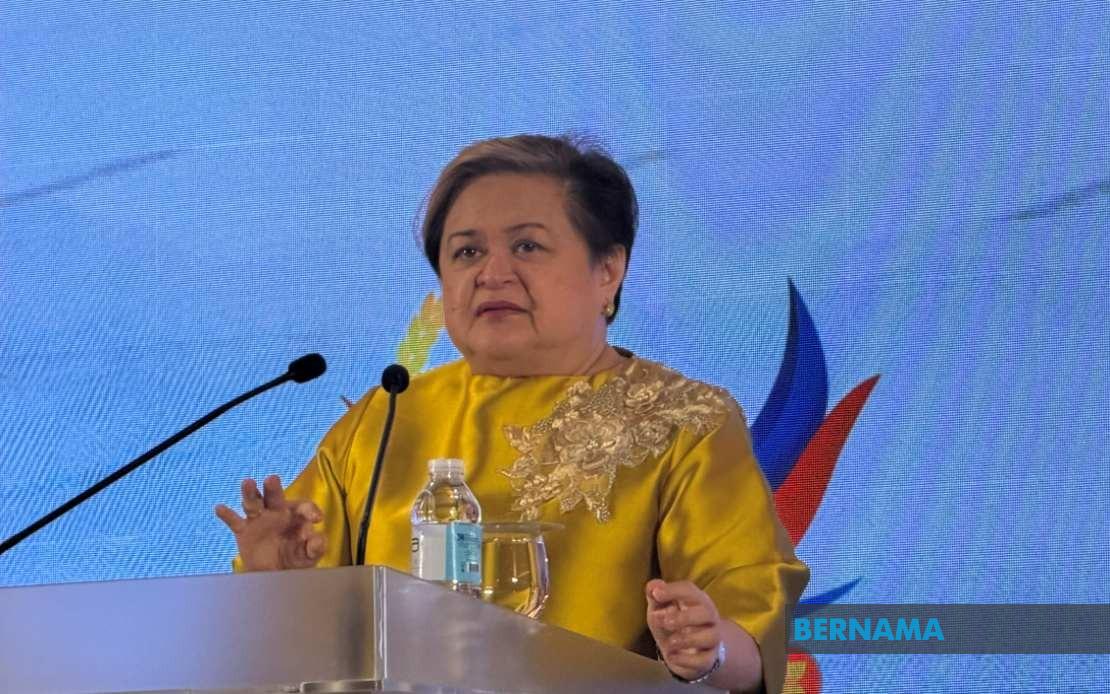
The Philippines has escalated calls for ASEAN to bolster the security and resilience of its vital maritime passages, warning that the region's heavy reliance on open shipping lanes makes it acutely vulnerable to geopolitical upheaval. Philippine Foreign Affairs Secretary Ma. Theresa P. Lazaro delivered the appeal through official channels, emphasizing that key waterways such as the Strait of Malacca and the South China Sea form the commercial backbone of Southeast Asia's economy and must be protected from disruption.
Lazaro pointed to recent instability in the Strait of Hormuz as a cautionary example, illustrating how interference with major maritime corridors can trigger cascading economic damage across the globe. When shipping bottlenecks occur, energy costs spike, inflation accelerates, food supplies tighten, and intricate supply chains fracture. For ASEAN nations, which have woven themselves tightly into the fabric of international commerce, such disruptions carry outsized consequences that ripple through multiple economic sectors simultaneously.
The region's vulnerability stems fundamentally from its deep integration into global trade networks. Unlike more self-sufficient economies, ASEAN depends on the seamless transit of goods, raw materials, and energy resources through its maritime territories. Any prolonged blockage or significant slowdown would impose direct costs on manufacturers, importers, and consumers throughout the bloc. Production schedules would slip, competitive positioning would erode, and operational expenses would climb as companies scramble to find alternative routes or incur longer shipping times.
In response, Lazaro articulated a multi-layered strategy focused on practical steps rather than abstract commitments. The Philippines advocates for ASEAN to prioritize the maintenance of secure and unobstructed sea lanes, develop more resilient supply chain infrastructure, and coordinate policies on energy and food security. Beyond these foundational measures, she emphasized the necessity of improved trade facilitation mechanisms and cross-border connectivity projects that would allow the region to absorb shocks more effectively.
A critical component of the Philippines' proposal involves establishing robust crisis communication frameworks at the ministerial level. Lazaro explained that when emergencies arise, ASEAN's ability to coordinate swiftly and speak with one voice determines whether the region can mitigate damage or whether fragmented responses compound the problem. During the Special ASEAN Foreign Ministers' Meeting addressing the West Asia situation, she formally tabled a protocol designed to enable faster information exchange and unified action among member governments. Such mechanisms would allow foreign ministers to convene and decide on regional responses within hours rather than days.
Beyond crisis protocols, Lazaro advocated for deeper technical cooperation among ASEAN states, including expanded information-sharing arrangements and enhanced early warning systems. These tools would help the bloc detect emerging threats to maritime stability before they escalate into full-blown crises. Intelligence sharing on piracy, environmental hazards, and suspicious vessel movements would give governments more time to implement preventive measures. Early warning capabilities would similarly allow authorities to protect critical infrastructure and redirect traffic away from danger zones proactively.
The underlying logic connecting these measures is that transparency and predictability foster confidence in Southeast Asian waters. International shipping companies, energy traders, and logistics firms make routing decisions based on perceived risk levels. If ASEAN can demonstrate institutional capacity to manage disruptions and communicate clearly with stakeholders, market participants will continue routing goods through the region rather than seeking expensive detours. This sustains the economic value that flows from ASEAN's geographic position at the intersection of major trade lanes.
As a tangible institutional step forward, the Philippines has identified the establishment of an ASEAN Maritime Centre on its territory as a priority deliverable during its 2026 chairmanship of the regional grouping. This centre would serve as a hub for coordinating maritime policy across ASEAN mechanisms, from naval cooperation to environmental protection. By housing technical expertise and facilitating regular dialogue among maritime officials, the centre would institutionalize cooperation and reduce the time required to mount collective responses to emerging challenges.
The proposed centre's mandate extends beyond security narrowly defined. Instead, it would foster collaboration across different sectors and governance pillars within ASEAN's broader architecture. Environmental agencies could coordinate ocean conservation efforts with defence ministries managing maritime security. Transport authorities could align port development standards with customs administrations working on trade facilitation. This integrated approach recognizes that maritime stability depends on alignment across multiple domains of state activity, not merely military or law enforcement responses.
For Malaysia and other Southeast Asian states, the Philippine initiative arrives at a moment when regional cohesion faces genuine tests. The South China Sea remains disputed, with overlapping claims and strategic competition among major powers creating undercurrents of tension. Simultaneously, global supply chain disruptions—whether caused by conflict in the Middle East, geopolitical sanctions, or climate-related emergencies—continue demonstrating how quickly maritime commerce can suffer. By proposing concrete mechanisms for ASEAN-level coordination, the Philippines offers a pragmatic pathway to enhance collective leverage and reduce individual vulnerability.
The broader strategic significance lies in ASEAN's attempt to remain relevant as a bloc capable of protecting its interests despite the presence of major powers. China, the United States, India, and Japan all maintain naval assets in the region and compete for influence. If ASEAN can convincingly demonstrate that it serves as an effective custodian of regional maritime stability, member states gain negotiating power with external parties and reduce the temptation for individual nations to seek unilateral security arrangements with major powers. Conversely, if ASEAN appears fragmented or incapable, member governments may be driven toward separate bilateral deals that undermine collective interests.
The Philippines' advocacy also reflects Manila's own strategic position as a maritime nation with considerable exposure to shipping lane disruptions. As the proposed host of the ASEAN Maritime Centre, the Philippines stands to gain institutional prominence and technical expertise in a critical domain. Yet the proposal genuinely addresses shared vulnerabilities that affect all member states, from Singapore's port operations to Indonesia's straits management to Vietnam's supply chain integration. This alignment of particular and common interests creates the foundation for sustained commitment to the initiative.

