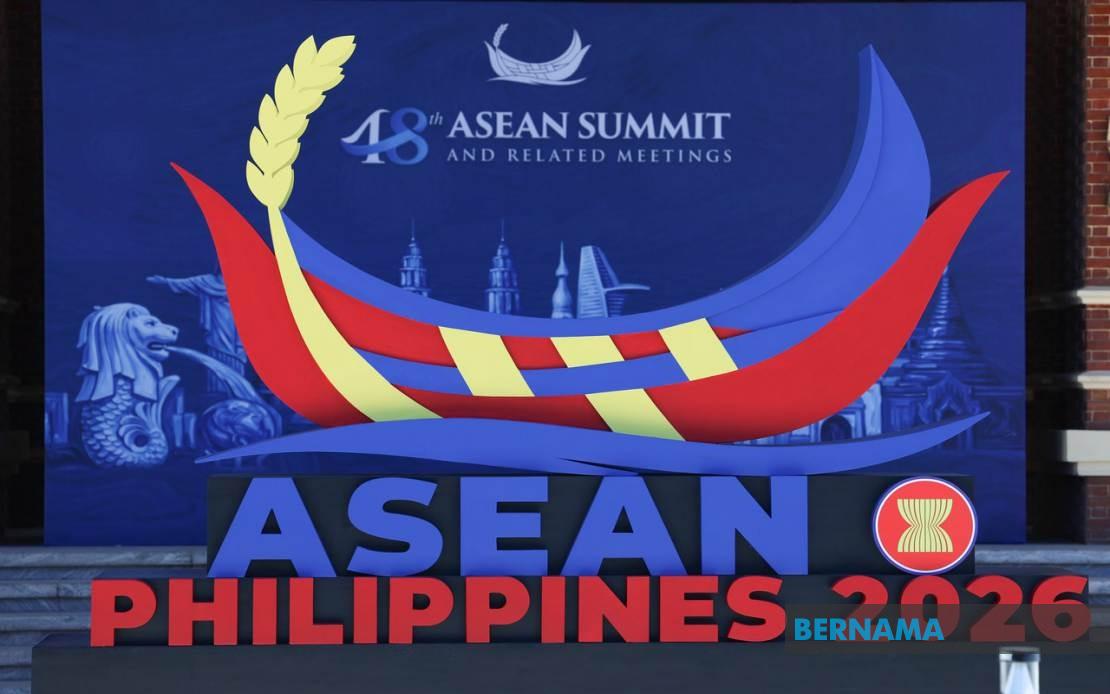
The Philippines will orchestrate a landmark informal gathering between Myanmar and ASEAN's foreign ministers in Bangkok on Sunday, July 12, according to the Department of Foreign Affairs. This diplomatic initiative represents the first face-to-face consultation between the regional bloc and Myanmar's government since the military takeover three years ago, signalling ASEAN's commitment to sustained engagement despite the political upheaval that has gripped the country.
Myanmar's delegation will be led by Foreign Minister U Tin Maung Swe, who will present an overview of the current situation within the country to assembled foreign ministers. The meeting underscores the Philippines' approach to its ASEAN chairmanship as one that balances principled diplomacy with pragmatic dialogue, even in circumstances where member states face significant internal challenges.
The Department of Foreign Affairs framed the gathering as an affirmation that Myanmar remains an integral component of the ASEAN community despite the turbulence it has experienced. Rather than isolating the junta or pursuing unilateral sanctions, the bloc has opted for what it characterises as constructive engagement—a strategy that allows ASEAN to maintain channels of communication while gently pressing for concrete improvements in specific areas of concern.
The substantive agenda centres on three interconnected pillars. Foreign ministers will seek clarification on steps Myanmar intends to take regarding the cessation of ongoing violence, which continues to affect civilians across large swathes of the country. The discussions will also explore avenues for constructive dialogue among the diverse stakeholders within Myanmar—whether armed groups, ethnic minorities, or political factions—recognising that sustainable peace requires inclusive participation rather than top-down imposition.
Humanitarian assistance represents the third focal point. With widespread displacement, economic collapse, and deteriorating public health conditions affecting millions of Myanmar's population, ASEAN nations and international partners have mobilised aid efforts. However, coordination challenges and access restrictions have complicated delivery. The ministers are expected to explore how Myanmar's government can facilitate smoother humanitarian operations and remove impediments to relief work.
These discussions are anchored in the Five-Point Consensus, a framework ASEAN adopted in April 2021 immediately following the coup. The consensus calls for cessation of violence, constructive dialogue, humanitarian assistance, and factual assessment missions by ASEAN. It represents ASEAN's attempt to shape Myanmar's trajectory through soft diplomacy rather than confrontational approaches, though critics argue it has yielded limited tangible results on the ground.
The initiative builds directly on directives issued during the 48th ASEAN Summit held in Cebu, Philippines, where regional leaders tasked their foreign ministers with maintaining what they termed "constructive and principled engagement" with Myanmar. This language reflects the tension within ASEAN itself—between those member states favouring stricter measures and those advocating patience and dialogue. The Philippines appears to be threading this needle by keeping Myanmar within the fold while demonstrating that the bloc expects measurable progress.
For Malaysia and other Southeast Asian nations, this engagement strategy carries significant implications. Myanmar's internal conflict has already spawned refugee flows affecting Thailand and Bangladesh, while regional security dynamics remain volatile. Malaysia's own Muslim communities have closely monitored developments, particularly regarding treatment of the Rohingya minority and other religious groups. Any concrete outcomes from diplomatic engagement could affect stability across the subregion and influence how ASEAN calibrates future responses to member state crises.
The informal nature of the Bangkok meeting allows for candid discussion without the rigid protocols that formal summits entail. This format potentially enables foreign ministers to explore sensitive topics and signal positions that might be difficult to articulate in official statements. It also provides Myanmar's representatives an opportunity to explain their perspective directly, rather than having ASEAN's characterisation of events dominate the narrative.
However, observers note that three years into the coup, momentum for change within Myanmar appears limited. Armed resistance persists, economic conditions have deteriorated sharply, and the military leadership shows no indication of yielding power to civilian institutions. Whether this Bangkok meeting can inject new energy into efforts to address these underlying issues remains uncertain. ASEAN's Five-Point Consensus, while well-intentioned, has struggled to produce measurable advances in any of its key objectives.
The meeting also reflects broader ASEAN practice regarding internal crises. Unlike international organisations with enforcement mechanisms, ASEAN operates on consensus and non-interference principles. This means the bloc possesses limited leverage over member states and must rely on persuasion and incentives. For Myanmar, the prospect of eventual sanctions relief, resumed development assistance, and restored standing within regional institutions could theoretically motivate cooperation with ASEAN's agenda.
The Philippines' stewardship of this dialogue demonstrates its diplomatic role within the region during its ASEAN presidency. By facilitating direct engagement and providing a neutral venue in Thailand, Manila positions itself as an honest broker capable of managing sensitive regional issues. Success in maintaining constructive channels with Myanmar could enhance the Philippines' credibility on other contentious matters within ASEAN and strengthen its position in regional affairs more broadly.

