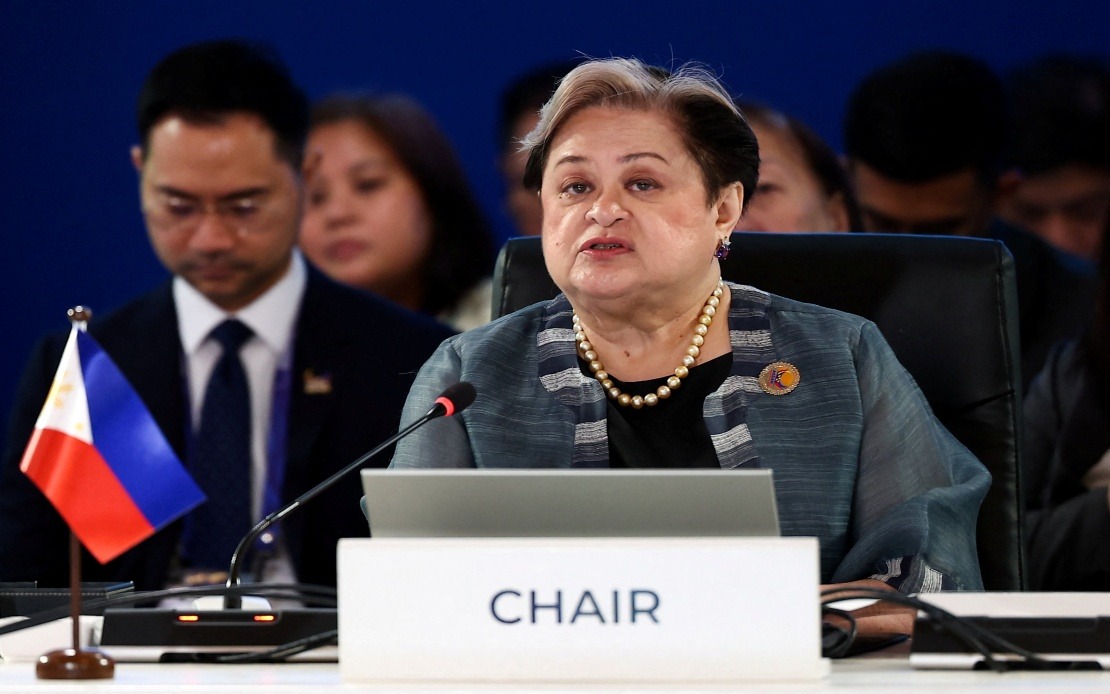
Philippine Foreign Affairs Secretary Ma. Theresa Lazaro, acting as the Association of Southeast Asian Nations' special envoy, intends to spearhead a humanitarian mission into Myanmar during the final three months of 2026. The announcement emerged from the Department of Foreign Affairs on Tuesday, marking a significant diplomatic effort to address the humanitarian dimensions of Myanmar's ongoing internal conflict and to bolster ASEAN's collaborative response to the crisis affecting the bloc's member state.
The initiative builds on intensive high-level engagement that Lazaro undertook across Thailand from mid-July. During this period, she held consecutive meetings with foreign ministers from across Southeast Asia and key Myanmar stakeholders, assembling perspectives on the deteriorating situation in Myanmar and exploring pathways toward regional stability. These consultations served as a foundation for crafting the humanitarian mission framework, with Lazaro gathering input from diverse parties invested in Myanmar's future.
According to the DFA's formal statement, Lazaro has committed to leading the proposed mission, and critically, the initiative has secured backing from all relevant stakeholders consulted during the Thailand meetings. This broad consensus suggests the mission carries legitimacy across the regional diplomatic community and reflects a coordinated approach by ASEAN members to address the humanitarian toll of Myanmar's internal strife. The support signals that participating nations view the mission as a constructive channel for delivering assistance and rebuilding confidence in regional mechanisms.
While comprehensive details regarding the mission's operational scope, timeline, and participating organisations remain undisclosed, the DFA emphasised that its fundamental objective centres on widening humanitarian access to areas within Myanmar that face acute need. The conflict has displaced hundreds of thousands and created severe shortages of food, medicine, and basic services in affected regions. A mission targeting improved access would address critical gaps in the delivery of aid to vulnerable populations isolated by fighting.
A pivotal moment in Lazaro's diplomatic rounds came during her July 12 meeting with Myanmar Foreign Minister U Tin Maung Swe. Their discussions focused on implementing the Five-Point Consensus, the ASEAN-backed framework intended to guide Myanmar's political transition following the 2021 military coup. The conversation also examined concrete measures through which ASEAN could assist Myanmar in normalising its standing within the regional bloc, a process that has stalled amid implementation challenges and unresolved disputes over the consensus terms.
During the same day, Lazaro chaired an informal gathering of ASEAN foreign ministers alongside U Tin Maung Swe, who provided comprehensive briefings on Myanmar's current trajectory. The Myanmar minister outlined progress on implementing specific action points derived from the Five-Point Consensus, detailed his government's hundred-day peace initiative, and discussed regional security efforts aimed at curbing cross-border criminal activity. These presentations allowed ASEAN foreign ministers to assess whether Myanmar's military administration is advancing agreed commitments and what obstacles persist.
The collective position articulated by ASEAN foreign ministers during this gathering reinforced that the Five-Point Consensus remains the essential framework for resolving Myanmar's crisis. Lazaro separately underscored that Myanmar's position within ASEAN remains fundamental to the bloc's unity and regional architecture. This messaging aims to maintain diplomatic pressure on Myanmar's leadership to engage seriously with the consensus while signalling that ASEAN views Myanmar's stability as inseparable from its own institutional integrity and credibility.
Particularly noteworthy was that the July 12 gathering represented the first in-person meeting between ASEAN foreign ministers and their Myanmar counterpart since 2021, the year of the military coup. This five-year gap underscores the diplomatic tensions that the crisis has created within ASEAN and highlights how Myanmar's internal conflict has fractured customary regional engagement patterns. Resuming direct ministerial dialogue signals a cautious willingness to re-establish communication channels, though fundamental disagreements persist regarding Myanmar's political pathway.
On July 13, Lazaro shifted focus by convening meetings with representatives from Myanmar's ethnic armed organisations and the National Solidarity and Peacemaking Negotiation Committee. These conversations explored avenues for fostering what the DFA characterised as an inclusive national political dialogue encompassing all significant parties within Myanmar. The involvement of ethnic armed groups reflects recognition that any durable political settlement must address longstanding grievances among Myanmar's diverse ethnic communities, which have sustained armed resistance to both civilian and military governments.
The response from these non-state actors proved encouraging, with all represented sides expressing openness to participating in structured dialogue processes. Representatives emphasised the necessity of constructive engagement and highlighted the importance of thorough preparation to ensure all participants approach negotiations with genuine commitment. This measured tone suggests that despite the brutality of recent fighting, space exists for negotiated resolution if the framework and sequencing are handled with care.
For Malaysia and other Southeast Asian nations, this humanitarian mission carries substantial implications. The success of Myanmar assistance operations directly affects regional stability, refugee flows, and cross-border security challenges that extend far beyond Myanmar's borders. A Malaysian perspective recognises that Myanmar's chronic instability risks destabilising the broader region, potentially generating displacement pressures that neighbouring countries must absorb. Consequently, initiatives that improve humanitarian access and advance political dialogue serve Malaysian national interests alongside ASEAN's collective objectives.
The mission also reflects ASEAN's broader challenge in maintaining relevance and influence amid Myanmar's resistance to the Five-Point Consensus. By expanding humanitarian engagement, ASEAN seeks to demonstrate tangible value to Myanmar's populations while maintaining dialogue channels with both state and non-state actors. However, the diplomatic risks remain substantial: if the humanitarian mission fails to secure access or Myanmar's military obstructs assistance, ASEAN's credibility faces further erosion. Conversely, if the mission succeeds in delivering aid while advancing political dialogue momentum, it could provide a foundation for renewed diplomatic progress on the Five-Point Consensus framework.

