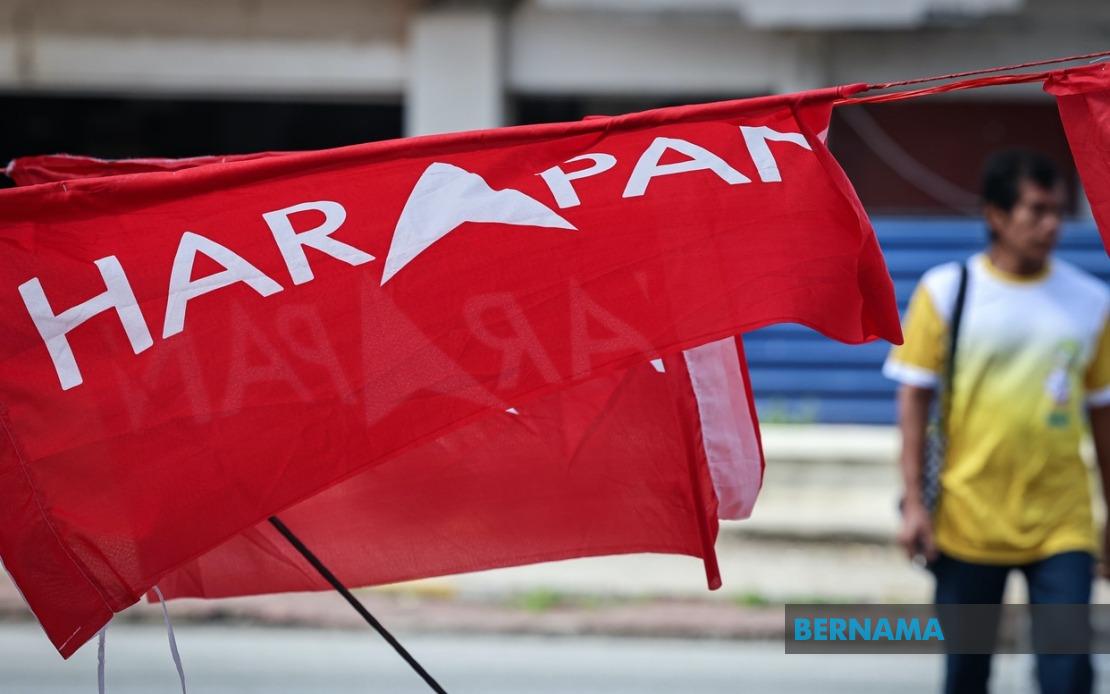
As the 16th Johor state election approached its final stretch with just five days until polling day on July 11, Pakatan Harapan candidates shifted into high gear with what party operatives termed a decisive final campaign push. The urgency reflected in their efforts demonstrated the competitive nature of the contest, with the coalition employing what observers described as a hybrid strategy designed to penetrate multiple voter demographics simultaneously. Rather than relying solely on traditional methods or digital channels exclusively, the party's candidates sought to harness the complementary strengths of both approaches—personal engagement on the ground combined with sophisticated social media outreach—to communicate their vision to the broadest possible audience across Johor's 16 constituencies.
The mechanics of this dual-pronged approach revealed how modern Malaysian electoral campaigns are evolving. Candidates maintained regular community engagement through grassroots activities including neighbourhood dialogues and face-to-face meetings with constituents, activities that remain central to building personal connections and political credibility. Simultaneously, they transformed social media platforms into what campaign strategists called a virtual campaign infrastructure, enabling direct communication with voters without intermediaries. This technological dimension allowed candidates to amplify their manifesto commitments rapidly and facilitate immediate feedback from voters, creating interactive channels that traditional campaigning could not replicate.
Senior party leadership played a visible role in energising the campaign machinery during these final days. The presence of figures such as Penang Chief Minister Chow Kon Yeow on the ground served multiple purposes—projecting party confidence, providing morale boosts to volunteer networks, and lending credibility to local candidates through association with experienced leaders. When Chow accompanied incumbent Simpang Jeram assemblyman Nazri Abdul Rahman in community engagement activities, the combined visibility underscored the coalition's commitment to retaining and expanding its Johor footprint. Such high-level involvement also signalled to voters that the party regarded the contest seriously, dispatching senior figures to defend existing strongholds and contest new ground.
The digital dimension of the campaign manifested in strikingly different formats across candidates, reflecting varied approaches to social media engagement. Some candidates discovered that platforms like TikTok offered unexpected campaign potential when deployed authentically rather than formally. Tiram candidate Nor Zulaila Abd Ghani exemplified this approach, cultivating attention through a relaxed yet substantive presentation style that resonated with younger voters. Social media users responded positively to her accessibility, with commenters praising both her communication style and positioning as a potential representative capable of advancing constituent interests in the state assembly. This phenomenon highlighted how Malaysian voters, particularly younger demographics, respond favourably to candidates who present themselves in relatable rather than stiffly formal manner.
Other candidates tailored their digital strategies to specific platforms and voter segments with precision. Puteri Wangsa's Dr Maszlee Malik constructed an official WhatsApp Channel titled 'Gerak Sama Dr Maszlee Malik' to maintain consistent contact with supporters and provide channels for constituents to share concerns and aspirations directly. This approach leveraged a platform deeply embedded in Malaysian daily communication habits, ensuring accessibility across age groups and digital literacy levels. Machap's Nor Hafiz Roslan employed Facebook to project his professional credentials as an advocate and community organiser, platforms where demographic groups tend to cluster by age profile. Meanwhile, Tanjung Surat candidate Faizul Abdul Ghani adopted mobility-based campaigning through the 'Jelajah Trak Harapan' initiative, deploying campaign vehicles to reach scattered populations across multiple localities with flexibility that fixed venues could not provide.
These varied digital tactics reflected sophisticated understanding that no single social media channel or campaign modality reaches all voters equally. The diversity of approaches suggested that Pakatan Harapan candidates recognised the complexity of contemporary Malaysian electorates, where age, education, income levels, and digital adoption rates vary significantly both within and across constituencies. By maintaining simultaneous presence across TikTok, WhatsApp, Facebook, and physical mobility campaigns, the coalition maximised probability of connecting with voters through their preferred communication channels. This recognises that effective modern campaigning requires meeting voters where they actually spend time rather than forcing constituents to adopt candidates' preferred communication modes.
The timing of this campaign intensification carried particular significance in the Malaysian electoral calendar. The final five days before polling typically witness peak voter attention, when citizens who had previously paid limited attention to campaign messaging begin forming voting intentions. By deploying both grassroots and digital resources during this window, Pakatan Harapan sought to capture undecided voters and reinforce commitment among supporters inclined toward the coalition. The concentration of senior leadership visits and accelerated social media activity during this period reflected campaign strategists' understanding that last-minute impressions often prove decisive in close contests.
For Malaysian political observers and voters beyond Johor, this campaign offered lessons about evolving electoral dynamics in Southeast Asia's democracies. The integration of grassroots and digital strategies reflects how political campaigns increasingly require simultaneous mastery of fundamentally different skill sets and operational frameworks. The candidates who succeeded in combining community relationships with authentic digital presence demonstrated that technology and traditional politics need not compete but rather complement each other. This approach contrasts with earlier campaigns where digital and grassroots efforts sometimes operated in isolation or even tension.
The Election Commission had scheduled polling day for July 11, with early voting for security personnel set for July 7, providing the exact timeline within which these final campaign efforts would conclude. The deployment of such comprehensive hybrid strategies by Pakatan Harapan candidates in these final days reflected confidence in their competitive position while acknowledging the competitive intensity of Johor state politics. Whether these coordinated efforts across digital and grassroots channels would translate into electoral gains would become apparent once polling concluded and results revealed voter response to the coalition's multifaceted campaign messaging.

