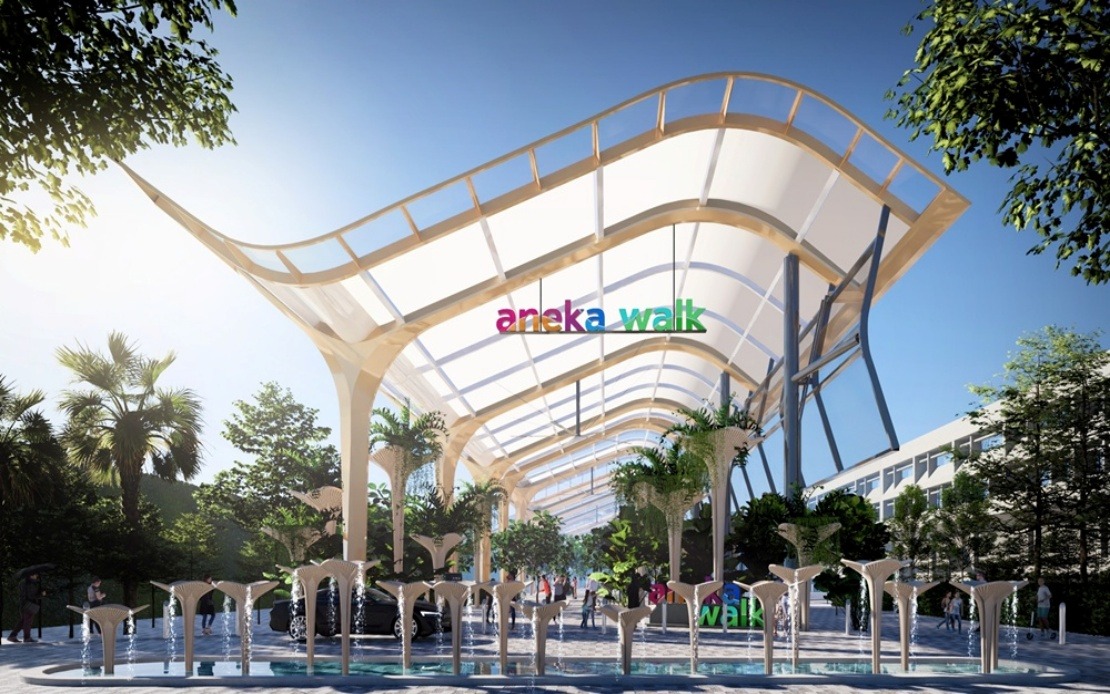
The Selangor State Development Corporation (PKNS) is bringing the spectacle of global football to the heart of Shah Alam by hosting a major public screening of the FIFA World Cup 2026 final at Aneka Walk in Seksyen 14. The event, dubbed the PKNS Homes Final World Cup 2026 Mega Live, will run as a continuous 12-hour programme starting at 5 pm on July 19 and concluding at 5 am on July 20, with the actual match broadcast commencing at 3 am on the final day. The initiative reflects a growing trend among Malaysian property developers and state agencies to leverage major sporting moments as opportunities for community engagement and economic activation.
Antipating approximately 1,000 visitors throughout the two-day period, PKNS has positioned this as more than a straightforward viewing experience. The extended duration allows the venue to function as a destination entertainment hub rather than a simple cinema setup, enabling attendees to arrive at their convenience and participate in the broader festivities surrounding the tournament's climactic match. This approach recognises that Malaysian audiences increasingly value experiences that combine multiple dimensions—sport, social interaction, and commerce—rather than isolated consumption of content.
The programming architecture extends well beyond the match itself. From the evening of July 19 onwards, visitors can engage with e-sports competitions that tap into the region's booming gaming culture, participate in interactive games designed for all age groups, and attend meet-and-greet sessions featuring Selangor FC players. Such activities serve a dual purpose: they generate sustained foot traffic throughout the event window, and they create natural breaks and entertainment between the extended wait period before the actual match broadcast. Lucky draws and food stalls round out the offering, positioning the venue as a comprehensive entertainment destination.
PKNS has structured the event in collaboration with Selangor FC, the state's professional football club, lending sporting credibility and player appearances to an otherwise commercial initiative. This partnership demonstrates how state development corporations can leverage existing sports infrastructure and personality to amplify public appeal. The involvement of Selangor FC also strengthens the narrative of community pride and local sporting identity, which carries particular resonance in Malaysia where football remains deeply embedded in popular culture and state identity.
Beyond community engagement, the event serves strategic commercial purposes that align with PKNS's broader development objectives. The screening explicitly opens opportunities for corporate partners and sponsors to activate their brands through exhibition booths, promotional campaigns, and direct consumer engagement. This model converts a public gathering into an extended market opportunity, allowing companies to reach a concentrated, engaged audience during an emotionally heightened moment—the global football final attracts viewers across demographic boundaries and spending patterns. For PKNS and its partners, this represents efficient marketing leverage.
The initiative forms part of a larger revitalisation strategy for Aneka Walk under the SA Sentral development project, PKNS's comprehensive vision for transforming Shah Alam's urban landscape. By programming Aneka Walk as a destination for major events, PKNS aims to address a perennial challenge facing Malaysian shopping malls and public spaces: maintaining relevance and visitor frequency in an increasingly digital retail environment. Anchoring the venue with high-profile entertainment moments helps generate the critical mass of foot traffic necessary to sustain ancillary commercial activity.
From an economic perspective, the event aligns with state-level objectives to stimulate spending and strengthen the position of Shah Alam as a lifestyle destination. Malaysia's Selangor state, which surrounds Kuala Lumpur, has positioned itself as a competitive alternative to the capital for residential and commercial development. Events like this World Cup screening contribute to that positioning by offering urban amenities and entertainment experiences comparable to central Kuala Lumpur, potentially shifting consumer behaviour and property investment decisions toward Selangor-based developments.
The timing of the announcement—occurring well in advance of the July dates—suggests confidence in the event's appeal and reflects sophisticated marketing practice. By announcing the screening months ahead, PKNS allows sufficient lead time for corporate partners to commit resources, for media coverage to build anticipation, and for word-of-mouth promotion to spread throughout the Shah Alam and broader Klang Valley community. This contrasts with last-minute, reactive programming that risks underutilisation.
For Malaysian readers, the event represents an accessible alternative to travelling internationally or gathering at commercial venues like hotels and restaurants to watch the World Cup final. The free or low-cost screening at a public venue democratises access to global sporting spectacle, allowing families and friends to experience the event communally without expensive hospitality premiums. This positioning serves PKNS's implicit goal of strengthening community bonds and public goodwill toward the corporation and its developments.
The involvement of food stalls and lifestyle elements indicates sophisticated understanding of Malaysian consumer behaviour. Concurrent with a 12-hour event spanning late evening and early morning hours, attendees require sustenance and comfort; the programming deliberately addresses these needs rather than expecting audiences to arrive fully prepared. This attention to logistics and experience design distinguishes professional event management from amateur sponsorship.
Looking forward, the success or failure of this screening will likely inform PKNS's future strategy for programming Aneka Walk and other SA Sentral properties. Large-scale public events generate substantial data regarding audience composition, dwell times, and spending patterns, allowing the corporation to refine subsequent offerings and attract more sophisticated corporate partners. If the July screening achieves its projected 1,000-visitor target and delivers positive community sentiment, we can expect similar World Cup-related programming and other major sporting events to feature prominently in PKNS's calendar.
Ultimately, this initiative exemplifies how Malaysian state development corporations are evolving beyond their traditional roles as property developers and landlords. By embracing entertainment programming, community activation, and experience design, entities like PKNS position themselves as stakeholders in the lifestyle and cultural fabric of their constituencies. The FIFA World Cup 2026 final screening at Aneka Walk represents a calculated investment in that broader vision, with clear benefits extending to multiple constituencies: corporate partners seeking brand exposure, communities seeking entertainment access, and PKNS itself seeking to cement Selangor's position as a premier destination for urban living and leisure.

