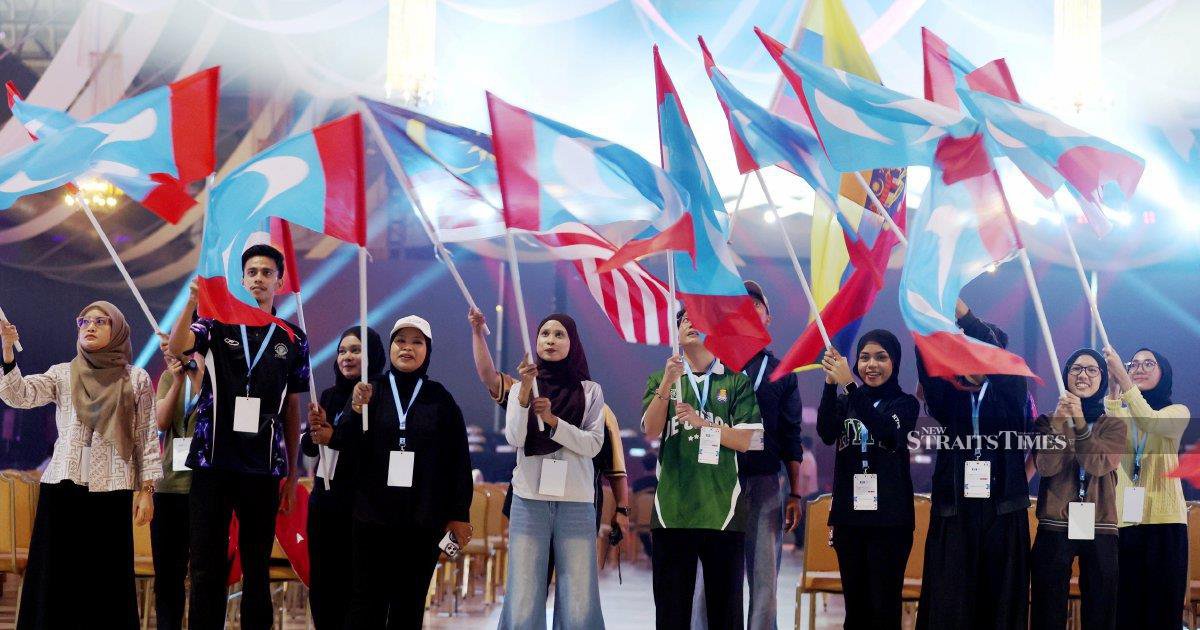
The People's Justice Party (PKR) is gathering its delegates at the Melaka International Trade Centre in Ayer Keroh for a party congress that arrives at a particularly fraught moment, with the party reeling from electoral reversals in recent state-level contests and struggling to manage considerable factionalism within its ranks. The timing of the assembly underscores mounting challenges that have accumulated across multiple fronts, forcing party leadership to address questions about strategic direction, party discipline, and internal governance that threaten to undermine its standing ahead of future electoral contests.
Recent results in Johor and Negri Sembilan have exposed vulnerabilities in PKR's electoral machinery and messaging. The defeats represent not merely setbacks in specific contests but signal deeper problems with voter confidence and campaign coordination across PKR-controlled or PKR-allied territories. In Johor, the party's inability to capitalise on local issues or mobilise its traditional support base suggests erosion in constituencies where PKR previously enjoyed stronger standing. Similarly, the outcome in Negri Sembilan indicates that perceptions of party weakness may be crystallising among swing voters who had previously shown receptiveness to PKR's political message.
Within the broader context of Malaysian politics, PKR's difficulties carry implications for the stability of coalition arrangements and the overall competitive landscape. As a linchpin of opposition or reformist political movements depending on the electoral cycle, PKR's internal troubles create uncertainty about the cohesion and viability of any political bloc it participates in. Coalition partners and potential allies watch party developments closely, as PKR's organisational capacity and electoral competitiveness directly affect their own strategic calculations and coalition viability.
The internal crisis dimension adds considerable complexity to the congress proceedings. Factional tensions have reportedly intensified over matters of party strategy, candidate selection processes, resource allocation, and leadership direction. These disputes extend beyond the typical organisational disagreements found in most political parties; rather, they reflect fundamental questions about party identity and future trajectory. Delegates attending the congress will navigate a charged atmosphere where apparent unity must be maintained whilst underlying divisions remain active.
Key party decision-makers face mounting pressure to articulate responses to the electoral reverses whilst simultaneously addressing internal critics who blame leadership missteps for recent losses. The manner in which party leaders handle these dual challenges during the congress will signal whether PKR possesses the institutional cohesion necessary to regroup effectively. Conversely, visible acrimony or heavy-handed management of dissent could amplify perceptions of dysfunction and weaken the party's ability to project strength to voters.
For Malaysian observers and PKR members alike, the congress represents a critical juncture. The party has historically positioned itself as a force for political reform and democratic renewal, yet internal governance challenges undermine these claims and create operational inefficiencies. The gap between PKR's stated ideals and its demonstrated capacity to manage internal affairs through consensus-building rather than fiat has become increasingly visible to both supporters and critics.
The electoral context in which this congress occurs is particularly consequential. Malaysia's political trajectory in coming years will partly depend on whether opposition and reformist parties like PKR can consolidate support bases and project coherence to voters. Recent victories by competing political forces have created opportunities for consolidation of voter blocs; PKR's inability to generate positive momentum increases risks that disaffected supporters drift toward alternative political options or withdraw from active participation altogether.
Regionally, PKR's internal troubles carry broader Southeast Asian significance. As Malaysia navigates democratic competitions and evolving coalition politics, the strength or weakness of constituent parties influences the overall health of Malaysia's multiparty system. International observers of Malaysian politics view party-level dysfunction as an indicator of broader systemic challenges around institutional quality and democratic performance.
The congress agenda will likely include sessions on party restructuring, strategic communications, and candidate development, though the underlying tensions will inevitably surface during proceedings. Senior party officials must project confidence in party direction whilst acknowledging legitimate concerns raised by delegates experiencing frustration over recent outcomes. This balancing act requires sophisticated political management and messaging discipline.
Moving forward, PKR's capacity to translate congress deliberations into concrete organisational improvements and renewed electoral competitiveness will determine whether this gathering marks a genuine inflection point or merely constitutes another moment in an ongoing trajectory of decline. The party's ability to retain existing supporters, activate dormant party infrastructure, and attract new constituencies depends partly on how effectively leadership addresses both the strategic questions raised by recent defeats and the structural issues reflected in internal divisions.

