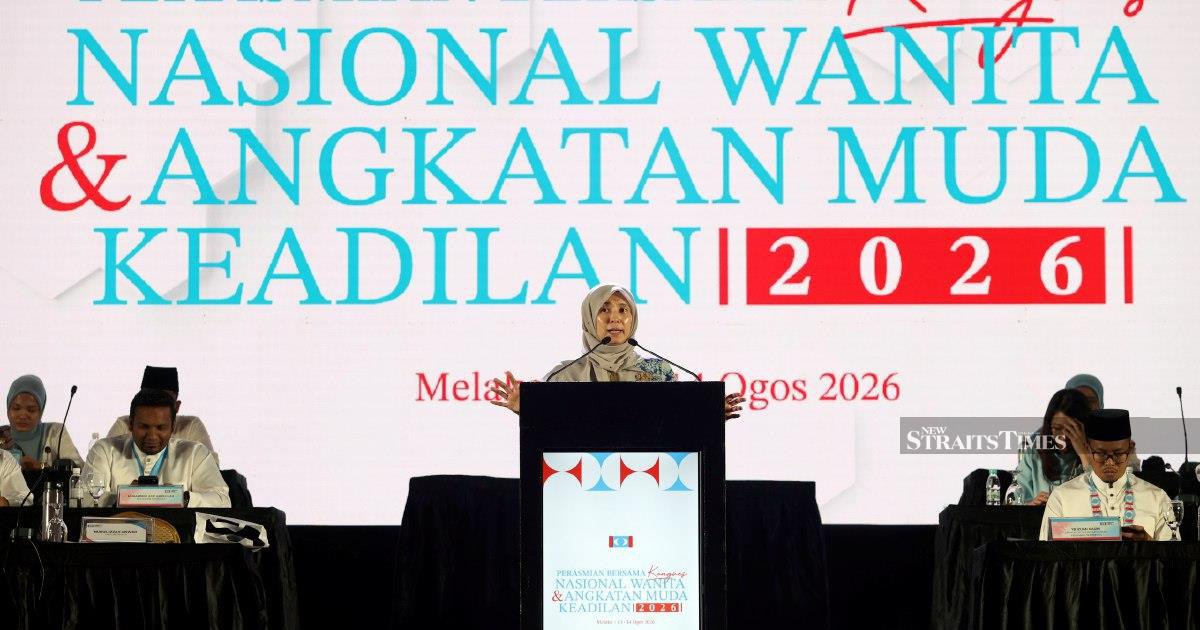
PKR deputy president Nurul Izzah Anwar has called on the party to establish clearly defined ethical boundaries, cautioning against allowing political pragmatism to become a justification for misconduct. Speaking at an event in Ayer Keroh, she emphasized that the party must maintain unwavering principles even as it navigates the complexities of coalition politics and parliamentary cooperation.
The remarks underscore growing concerns within PKR about maintaining its reformist credentials amid the party's transition from opposition to governing coalition partner. Since the party's significant role in the formation of recent federal governments, questions have periodically surfaced regarding whether participation in power-sharing arrangements compromises the original reform agenda that characterized PKR's rise to prominence.
Nurul Izzah's intervention suggests internal conversations within PKR leadership about drawing a line between acceptable political compromise and ethical surrender. Her emphasis on establishing clear red lines reflects awareness that coalition politics inevitably requires negotiation and concessions, but that such flexibility must not extend to core principles of governance and accountability.
The deputy president's position carries particular weight given the party's historical positioning as a champion of anti-corruption measures and institutional reform. When PKR entered government, it inherited expectations from its supporters and the broader reform constituency that it would champion transparency, rule of law, and accountability. The challenge of balancing these ideals with the practical requirements of holding ministerial portfolios and negotiating with coalition partners remains a central tension within the party.
For Malaysian readers, this intervention highlights a recurring challenge in the country's democratic development. Political coalitions, while necessary for stable governance, create incentives for members to overlook misconduct by allies to preserve government stability. PKR's recognition of this tension suggests the party is attempting to preempt drift toward compromise on fundamental principles that might gradually erode its reform mandate.
The concept of establishing red lines is particularly relevant in the Malaysian context, where patronage networks and factional interests have historically compromised institutional integrity. By explicitly defining boundaries around what behavior remains unacceptable regardless of coalition pressures, PKR signals intention to resist such patterns. This approach, if implemented consistently, could establish a model for how coalition members maintain institutional standards while cooperating politically.
Nurul Izzah's comments also reflect broader Southeast Asian dynamics around governing coalitions and institutional integrity. Across the region, coalition governments frequently face the tension between delivering on reform promises and maintaining the inter-party consensus necessary for survival. How PKR navigates this challenge could influence approaches to governance elsewhere in the region, particularly among parties that have transitioned from opposition reformers to governing partners.
The deputy president's emphasis on preventing compromise from enabling corruption or power abuse addresses specific vulnerabilities that emerge when parties shift from opposition to government. Opposition parties typically maintain rhetorical purity because they do not face the practical necessity of negotiating with partners they may disagree with fundamentally. Once in government, such parties discover that maintaining ethical standards requires active reinforcement rather than relying on external pressure or opposition status.
Within PKR itself, the need to articulate red lines reflects demographic and ideological diversity within the party structure. Younger members and reformist-oriented grassroots supporters may harbor different expectations about acceptable compromises than senior party officials managing coalition negotiations. By framing the discussion around clearly defined ethical boundaries rather than specific political disputes, PKR leadership attempts to build consensus across these constituencies.
The timing of these remarks deserves attention, as Malaysian politics remains fluid with frequent coalition realignments and negotiations. By publicly emphasizing the importance of maintaining ethical standards, Nurul Izzah sends signals both internally and to potential coalition partners about PKR's non-negotiable positions. This positioning affects how other parties calculate the costs of political cooperation and helps establish PKR's negotiating stance in future discussions.
Implementing such red lines operationally presents considerable challenges. Political reality requires defining which issues qualify as fundamental principles where compromise is impossible versus legitimate areas where negotiation is appropriate. Different party members will inevitably disagree about where these boundaries should fall, potentially creating internal friction as the party attempts to enforce standards.
For voters who supported PKR based on reform expectations, Nurul Izzah's comments represent a commitment to maintaining accountability to those principles despite the complexities of coalition governance. Whether the party can translate these public pronouncements into consistent institutional practice remains the ultimate test of this positioning. The challenge facing PKR—and indeed all parties that emerge from opposition into government—is ensuring that the compromises necessary for political survival do not accumulate into the erosion of the very principles that justified seeking power in the first place.

