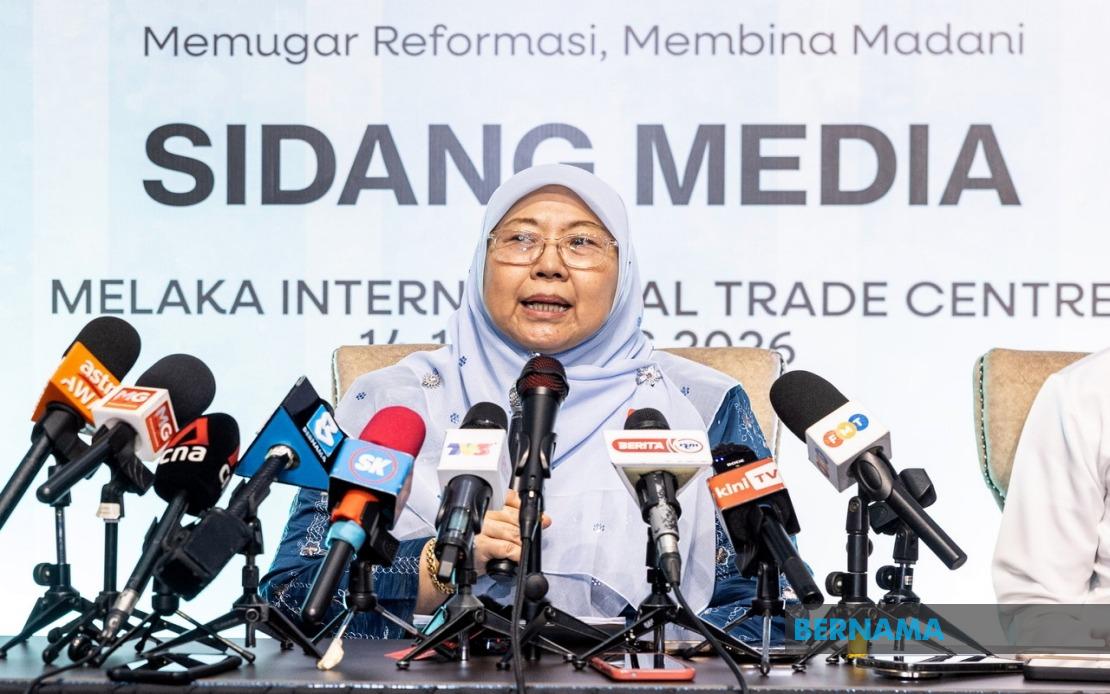
Parti Keadilan Rakyat has granted an indefinite leave of absence to deputy president Nurul Izzah Anwar as she pursues further education, with no predetermined date for her resumption of party responsibilities. PKR secretary-general Senator Datuk Dr Fuziah Salleh made the announcement in Melaka on August 14, emphasising that the party remains ready to facilitate Nurul Izzah's return whenever she determines she is prepared to re-engage with her senior leadership role.
The leave arrangement reflects a flexible approach by PKR's central leadership, acknowledging both the personal development aspirations of one of the party's most prominent figures and the continuity of party operations during her absence. Fuziah indicated that the decision represents a pragmatic accommodation of Nurul Izzah's educational objectives without imposing artificial constraints on her scholarly pursuits or creating uncertainty about her future status within the party hierarchy.
Nurul Izzah will remain engaged with her duties until the completion of PKR's National Congress, a significant gathering originally scheduled for 2026. During this three-day event, the deputy president is expected to carry out several ceremonial and substantive responsibilities, including presiding over the Angkatan Muda Keadilan and Wanita PKR congresses, participating in formal debate sessions, and delivering closing remarks. This arrangement ensures that the National Congress benefits from her participation and maintains continuity in symbolic and institutional leadership during a period of party renewal and reflection.
The timing of Nurul Izzah's educational sabbatical occurs against the backdrop of the National Congress, where PKR's rank-and-file membership will convene to discuss party direction, assess institutional reforms, and debate motions shaping the party's future trajectory. PKR president's policy speech at the gathering will reportedly outline the party's foundational struggles, strategic positioning, and comprehensive institutional reform agenda, setting the tone for party development beyond Nurul Izzah's temporary stepping-back from active duties.
For Malaysian observers of PKR's internal dynamics, the arrangement carries several implications. As one of the party's most recognisable and internationally engaged leaders, Nurul Izzah's absence from daily party operations creates a leadership vacuum that other senior figures will need to navigate. Her role as deputy president carries symbolic weight within the party, particularly among younger members and reform-minded activists who view her as embodying the party's progressive aspirations and generational renewal.
The decision to impose no return deadline suggests confidence from party leadership that Nurul Izzah's future involvement remains a certainty rather than an open question. This contrasts with scenarios where senior figures move away from active politics entirely. By maintaining her formal position while granting educational leave, PKR appears to be signalling both respect for her intellectual ambitions and an expectation that her deeper learning will ultimately strengthen her contribution to the party's future direction.
Educational pursuits by senior Malaysian political figures are not uncommon, though they often generate scrutiny regarding the compatibility of demanding academic programmes with ongoing public responsibilities. Nurul Izzah's decision to pursue further studies reflects broader patterns among Malaysia's political class, where some leaders pursue professional development or scholarly qualifications while maintaining their formal party positions, albeit in reduced-activity status during intensive study phases.
The National Congress itself, as the forum where this transition is being formalised, represents an opportune moment for PKR to address questions about succession planning, leadership development, and the party's institutional capacity to operate effectively during periods when senior figures reduce their hands-on involvement. Delegates attending the congress will have opportunity to raise motions and concerns about party strengthening and leadership continuity, potentially using these discussions to shape how PKR manages such transitions more systematically going forward.
Fuziah's emphasis that Nurul Izzah's return timing remains entirely under her discretion underscores a modern approach to work-life balance and professional development within Malaysian political structures, though it also raises practical questions about decision-making protocols and interim leadership arrangements during extended absences by senior office-holders. The party's flexibility may reflect recognition that rigid timelines could either pressure Nurul Izzah into premature return or create unnecessary tension around completion of her studies.
For Southeast Asian observers monitoring PKR's evolution, the management of this transition offers insights into how Malaysia's largest opposition party balances institutional continuity with accommodation of individual ambitions among its leadership corps. The arrangement neither removes Nurul Izzah from party structures nor demands her continued intensive participation, positioning the party as capable of sustaining its operations and strategic development even when prominent figures temporarily prioritise personal and intellectual advancement.

