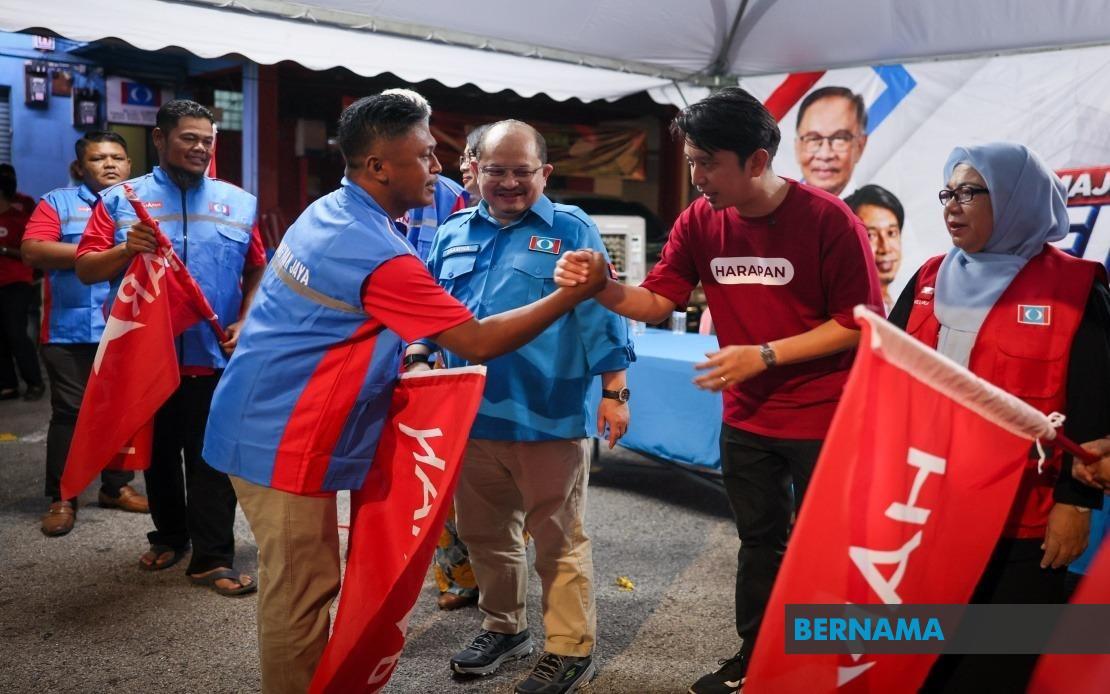
Parti Keadilan Rakyat's Melaka chapter is moving to reveal its slate of candidates for the impending state election significantly earlier than in previous cycles, according to Adam Adli Abdul Halim, acting chairman of the Melaka PKR Leadership Council. The accelerated timeline aims to provide newly selected candidates adequate time to establish themselves with voters and build local support networks before the ballot. This strategic shift represents a departure from PKR's historical pattern of delayed candidate announcements, which the party has attributed to various operational challenges that hindered timely disclosure in the past.
The Melaka PKR leadership has instituted a structured candidate vetting process designed to ensure quality and diversity at every stage. Prospective candidates undergo screening beginning at branch level, progress through state-level evaluation, and ultimately receive approval from the national party president. This methodical approach reflects the party's determination to avoid previous bottlenecks that compromised preparation timelines. Adam Adli, who additionally serves as Deputy Minister of Higher Education, emphasised that the deliberate pacing of candidate selection reflects PKR's commitment to fielding a competitive roster rather than rushing through nominations.
A defining feature of PKR's candidate strategy centres on generational and gender balance within the party's electoral offering. The party is making deliberate efforts to integrate fresh political talent alongside established figures, while simultaneously prioritising female representation across contested seats. These dual imperatives require extended lead time to identify, vet, and prepare candidates who satisfy both performance standards and demographic considerations. The emphasis on emerging voices suggests PKR recognises that voter sentiment in Melaka increasingly favours candidates who represent demographic change and contemporary political perspectives, positioning the party to respond to evolving electoral expectations.
Beyond candidate selection, PKR Melaka is channelling significant resources into organisational infrastructure that will underpin the election campaign. The party has embarked on a systematic rollout of election machinery strengthening initiatives across five distinct constituencies: Tangga Batu, Hang Tuah Jaya, Alor Gajah, Masjid Tanah, and Jasin. This geographic diversification demonstrates recognition that electoral success depends not merely on individual candidate profiles but on robust grassroots networks capable of delivering consistent party messaging and mobilising voters across diverse communities. The machinery launches serve dual purposes: galvanising party workers and visibly demonstrating organisational readiness to constituents.
Adam Adli underscored that PKR's immediate priority remains constructing election machinery that functions independently of specific candidate identities. This unconventional sequencing—establishing organisational capacity before finalising personnel—suggests the party has learned from past elections where candidate announcements triggered membership friction or machinery dysfunction. By ensuring operational readiness first, PKR can transition smoothly to candidate deployment without organisational disruption. This approach also signals confidence that whoever emerges from the selection process will inherit a functioning party structure, minimising transition costs and enabling faster campaign momentum.
Cooperation talks between Pakatan Harapan and Barisan Nasional represent a significant wildcard in Melaka's electoral calculus. While informal discussions have occurred between the two coalitions, formal negotiations regarding the precise terms and scope of cooperation remain outstanding. PH election director Datuk Seri Amirudin Shari has initiated contact with Melaka Chief Minister Datuk Seri Ab Rauf Yusof to establish conditions for substantive negotiations. The absence of formalised discussions suggests both coalitions remain cautious, weighing potential electoral advantages and disadvantages before committing to specific power-sharing arrangements that could define Melaka's political trajectory for the next electoral cycle.
Adam Adli framed inter-coalition communication as serving broader democratic purposes beyond mere tactical advantage-seeking. He characterised ongoing dialogue between PH and BN as contributing to a healthier electoral environment less prone to aggressive personal attacks and divisive rhetoric. This framing reflects broader concerns within Malaysian politics regarding campaign civility and institutional legitimacy, suggesting PKR views the Melaka contest as an opportunity to model more constructive competitive practices. Whether such aspirations translate into actual campaign behaviour remains uncertain, but the rhetorical emphasis on civil discourse indicates PKR's strategic positioning as a responsible political force.
The stakes surrounding Melaka's election extend beyond local governance, carrying implications for national coalition dynamics. Any cooperation agreement between PH and BN would represent significant recalibration of Malaysia's post-2018 political configuration, suggesting ongoing instability in national coalition formations. Conversely, contested competition between the coalitions would reaffirm the polarised two-bloc system that has characterised recent Malaysian politics. The Melaka result could either reinforce or challenge prevailing national patterns, making the state election a bellwether for broader coalition politics heading into potential federal contests.
PKR has maintained flexibility regarding its electoral strategy, not foreclosing the possibility of independent PH competition if coalition negotiations with BN prove unproductive. This contingency planning acknowledges that cooperation discussions may collapse over irreconcilable policy or power-distribution differences. Maintaining an alternative independent campaign readiness preserves PKR's strategic options while signalling to BN that PH retains viable alternatives to cooperation. For voters and observers, this uncertainty around coalition formation means Melaka's electoral contest parameters remain fluid until formal agreements materialise or negotiations definitively conclude.
The timing of PKR's accelerated candidate announcement strategy appears calibrated to precede major coalition decisions. By establishing candidate visibility during early campaign phases, PKR can build individual candidate profiles that might enhance negotiating leverage if coalition discussions progress. Alternatively, well-prepared candidates provide foundation for aggressive independent campaigning if cooperation fails to materialise. This dual-track approach reflects sophisticated political calculation, positioning the party to maximise electoral impact regardless of coalition outcomes. The Melaka state election will thus serve as both testing ground for PKR's organisational reforms and indicator of whether Malaysia's major coalitions can construct stable cooperation frameworks.

