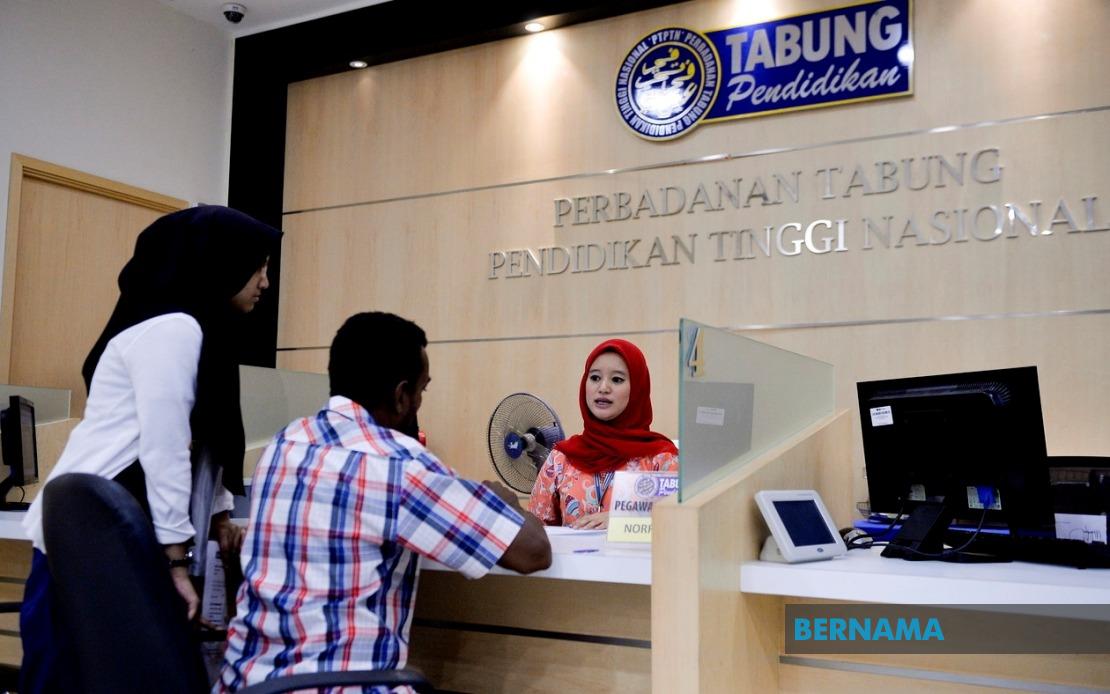
The Women's Wing of Parti Keadilan Rakyat has intensified calls for substantive overhaul of the National Higher Education Fund Corporation's collection practices, arguing that current mechanisms impose unnecessary hardship on graduates already struggling with repayment obligations. The push for reform comes as Prime Minister Datuk Seri Anwar Ibrahim signals openness to broader discussions about the PTPTN's future, creating a window for policy change that advocates say must prioritise relief for existing borrowers facing compounding financial pressures.
Karen Kasturi, serving on the PKR Women's Wing executive committee, has articulated a specific reform agenda centred on two immediate interventions: scrapping the 15 per cent fee charged by debt collection agencies and establishing mechanisms for borrowers to renegotiate loan terms directly with the PTPTN rather than being funnelled through third-party collectors. These proposals reflect growing recognition among political stakeholders that the current system, despite its original intentions to recover outstanding debts, has created barriers that prevent willing borrowers from meeting their obligations. The situation has become sufficiently acute that reform advocates now characterise the system as counterproductive to actual debt recovery.
The financial mechanics of the existing arrangement reveal the compounding burden faced by vulnerable borrowers. Under present protocols, those with accounts referred to debt collection agencies face dual pressures: demands for lump-sum payments equivalent to roughly half their outstanding balance, layered atop the additional 15 per cent agency fee. For borrowers operating with constrained cash flow, this combination effectively prices them out of settlement options, transforming what should be a negotiated pathway to resolution into an insurmountable obstacle. Kasturi's intervention highlights how these structural impediments contradict the stated goal of encouraging repayment, instead crystallising defaults into permanent delinquency.
A particularly troubling dimension of the current process involves the disconnect between official guidance and actual implementation. Borrowers have reported receiving conflicting direction when seeking restructuring assistance: initial PTPTN engagement suggests negotiation possibilities, yet subsequent interactions redirect them toward debt collection agencies without transparent explanation or meaningful opportunity to engage directly with the fund itself. This institutional confusion imposes cognitive and bureaucratic costs on borrowers, many of whom lack specialised knowledge to navigate competing claims about their rights and options. The resulting uncertainty discourages proactive engagement precisely from those most motivated to regularise their position.
Kasturi's advocacy extends beyond eliminating friction points to proposing structural flexibility in repayment architecture itself. Her call for expanded restructuring options and income-sensitive assistance mechanisms targeted at borrowers from the B40 and M40 income categories acknowledges that uniform payment schedules cannot accommodate the economic heterogeneity of Malaysia's graduate population. Young professionals in high-growth sectors navigate vastly different circumstances than graduates in declining industries or those facing underemployment, yet the PTPTN framework treats all borrowers through a standardised lens. Tailored approaches would recognise these realities while maintaining systemic integrity.
A secondary but significant concern surrounds the intersection between PTPTN obligations and Employees Provident Fund savings. When borrowers use EPF withdrawals to settle education loans, intermediary charges—particularly debt collection agency fees—erode the amount effectively applied to principal reduction. This creates a perverse outcome where regulatory access to retirement savings to address education debt simultaneously depletes those same savings through fees, compounding long-term financial vulnerability. Kasturi's specific warning about this dynamic signals awareness that reform must trace consequences across interconnected financial systems rather than addressing PTPTN in isolation.
The framing of borrowers as struggling citizens rather than defaulting debtors represents a rhetorical and substantive reorientation that carries implications for policy design. This perspective recognises that education debt emerged from deliberate policy choice—government-supported higher education financing—and that current repayment distress reflects broader economic pressures rather than borrower irresponsibility. Borrowers are characterised not as financial failures but as individuals pursuing sanctioned pathways to qualification in a context where tertiary education has become economically necessary. This framing creates space for policy responses emphasising support over punishment.
Prime Minister Anwar Ibrahim's recent acknowledgment that PTPTN's future warrants discussion, prompted by campaign discourse during the Johor state elections, suggests political constituencies increasingly regard the fund as problematic. His commitment to consult Higher Education Minister Datuk Seri Dr Zambry Abd Kadir indicates that substantive examination of the system's architecture may be forthcoming at ministerial level. Yet Kasturi's intervention insists that any broader consideration of PTPTN's viability must not obscure the urgent need for interim relief measures benefiting current borrowers while longer-term policy deliberation proceeds.
The convergence of these pressures—PKR Wanita advocacy, Prime Minister receptiveness, and the inherent difficulties of the current collection framework—creates momentum toward reform that extends beyond rhetorical commitment. However, translating political will into administrative change requires overcoming institutional inertia, addressing concerns about debt recovery sustainability, and managing the fiscal implications of fee abolition or repayment restructuring. These technical challenges remain substantial even as the political consensus around the desirability of change appears to broaden.
For Malaysian borrowers navigating the PTPTN system, the timing of this advocacy surge offers potential opportunities for relief, yet concrete outcomes remain uncertain. The proposals articulated by PKR Wanita—elimination of debt collection fees, direct restructuring capacity, and income-sensitive assistance—would substantially alter the repayment landscape, particularly for graduates facing economic adversity. Implementation would require coordinated policy action and possibly legislative adjustment, processes that typically extend beyond initial advocacy periods. Meanwhile, borrowers continue operating under existing mechanisms, suggesting the case for emergency interim measures becomes increasingly compelling.
The broader Southeast Asian context adds weight to Malaysian reform discussions. Across the region, government-backed education financing systems face comparable tensions between cost recovery imperatives and social access objectives. How Malaysia navigates PTPTN restructuring may establish precedents influencing policy approaches elsewhere, particularly regarding the balance between institutional sustainability and borrower protection. Regional higher education funding increasingly involves private debt mechanisms, making the outcome of these Malaysian deliberations potentially instructive for neighbouring policymakers wrestling with similar dilemmas about financing access to tertiary qualification.

