PKR Youth, the youth wing of the People's Justice Party, is entering a critical phase of preparation for the upcoming Melaka state election as the current assembly's constitutional term draws to a close before December. The party's leadership has signalled heightened focus on bolstering its ground organization and ensuring that campaign mechanics function at optimal efficiency, marking a deliberate shift toward methodical, comprehensive readiness rather than last-minute scrambling that often characterizes state-level contests in Malaysia.
Muhammad Kamil Abdul Munim, who leads AMK, announced these intensified efforts while addressing party members and young supporters at a gathering in Kuala Kangsar. His statements underscore the party's recognition that winning back electoral ground in Melaka will require sustained organizational effort and meticulous coordination across multiple levels of the party structure. The Melaka AMK branch has been tasked with prioritizing both the refinement of its party machinery and the implementation of community-level programmes that can translate organizational strength into actual voter mobilization on polling day.
The stakes for Pakatan Harapan in Melaka remain significant. In the 2021 state election, the coalition managed only a modest foothold, securing five seats out of the 28 available in the assembly. The victors that round were Barisan Nasional, which captured 21 seats and retained firm control of the state government, whilst Perikatan Nasional, the newer coalition that has challenged traditional power blocs, won two seats. This outcome reflects broader challenges that Pakatan Harapan has faced in translating its federal-level success into consistent state-level performance, particularly in traditionally Barisan-leaning constituencies.
Yet the strategic calculus for the coming election remains complex. Rather than making premature announcements about candidate selections or seat distribution between coalition partners, the Pakatan Harapan leadership is deliberately maintaining flexibility. Muhammad Kamil made clear that questions regarding which seats AMK will contest and which specific individuals will represent the party at the state level will be resolved through discussions among senior Pakatan leaders, suggesting that coalition negotiations remain ongoing and that decisions will reflect broader strategic considerations across multiple parties and states.
This measured approach carries implications for the broader Malaysian political landscape. The Melaka contest will serve as a bellwether for voter sentiment in a state that has historically swung between ruling coalitions, and the result could influence perceptions of momentum heading into potential federal parliamentary and other state elections. For Pakatan Harapan, particularly its younger wings, demonstrating organizational competence and sustained grassroots engagement will be essential to rebuilding credibility among voters who may have grown skeptical of the coalition's ability to deliver governance at the state level.
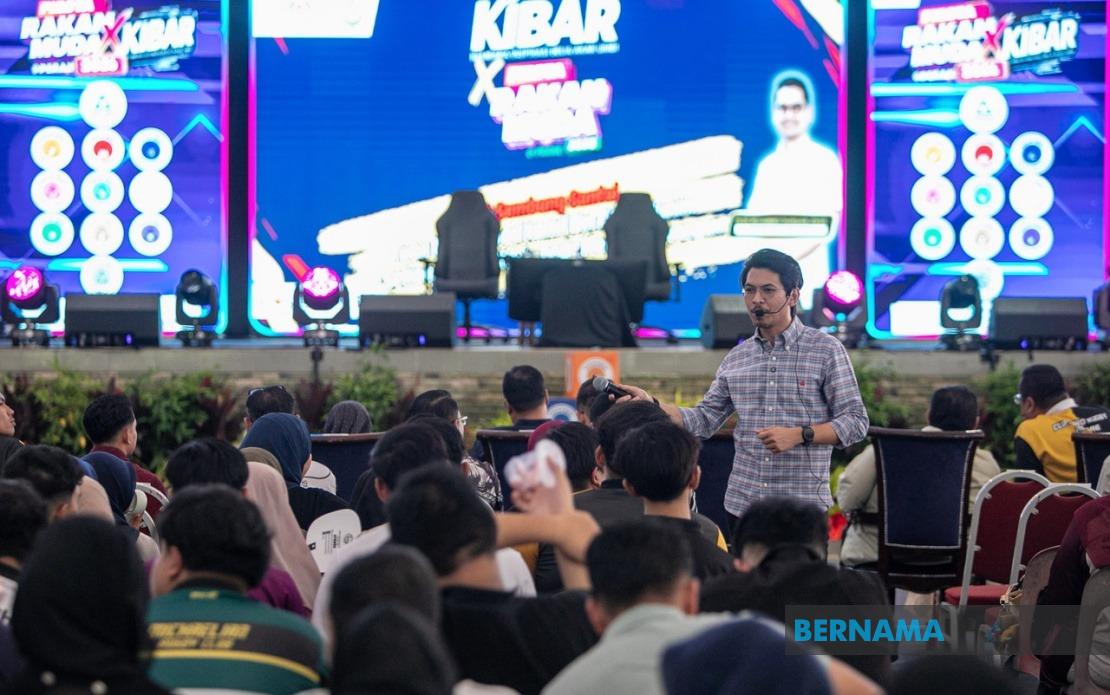
Beyond electoral mechanics, Muhammad Kamil also highlighted the party's broader youth engagement strategy through the Kembara Inspirasi Belia Akar Umbi, or KIBAR programme, which emphasizes direct communication between party leadership and young citizens. The event in Perak drew more than 600 participants aged between 15 and 30, providing a venue for younger Malaysians to raise concerns, offer suggestions, and engage critically with party directions. This reflects a conscious effort by PKR Youth to position itself as responsive to generational concerns and willing to incorporate diverse perspectives into party decision-making.
The KIBAR initiative, which operates under the Youth and Sports Ministry's umbrella, has expanded nationally with an emphasis on increasing participation from grassroots youth constituencies across Malaysia. For PKR specifically, such programmes serve a dual purpose: they allow the party to identify emerging talent and build organizational capacity among young people, whilst also creating opportunities for the party to demonstrate commitment to youth-oriented policies and substantive engagement on issues affecting younger voters. This becomes particularly relevant in state elections where youth participation rates historically lag behind older demographics.
The December timeframe provides both opportunity and constraint. Melaka's assembly term concludes by then under constitutional rules, triggering a mandatory election. The current government, led by Barisan Nasional, will seek to maintain its supermajority and reinforce its dominance in a strategically important state. Perikatan Nasional, having secured a foothold in 2021, will likely attempt to expand its presence. Pakatan Harapan faces the dual challenge of recapturing lost ground whilst contending with a fractured opposition space where multiple coalitions compete for the same anti-incumbent vote.
Muhammad Kamil's emphasis on organizational preparation reflects lessons that opposition coalitions across Southeast Asia have learned: without robust ground-level machinery, compelling messaging, and coordinated candidate deployment, electoral victory remains elusive even in environments where voter sentiment may be shifting. The coming months will reveal whether PKR Youth's intensified preparations translate into tangible electoral gains or whether structural factors limiting Pakatan Harapan's appeal in Melaka persist despite enhanced organizational effort.

