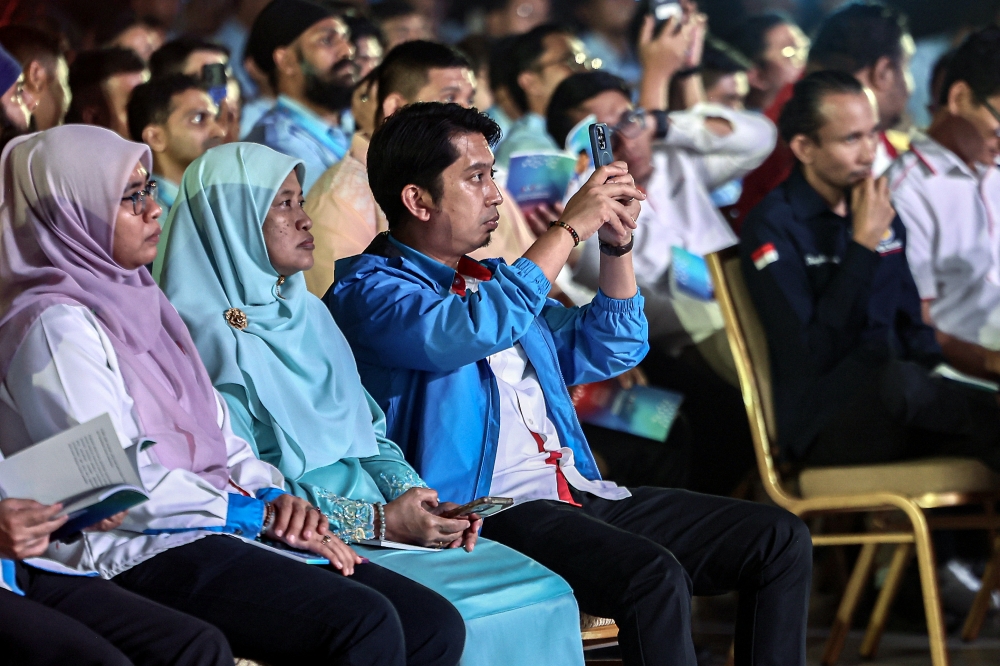
Malaysia's People's Justice Party youth wing has signalled a strategic pivot toward engaging Generation Z voters and members, positioning young people's concerns as central to the party's future direction. At its 2026 National Congress held in Melaka, Angkatan Muda Keadilan (AMK) brought youth issues into sharp relief through a series of substantive policy motions, reflecting recognition that addressing young Malaysians' anxieties about employment, opportunity, and wellbeing is essential to party renewal and electoral competitiveness.
The gathering underscores how Malaysian political parties are increasingly competing for the attention and allegiance of younger voters who have grown up in a digitally connected world and face distinct economic pressures. Unlike previous generations, Gen Z Malaysians navigate a labour market transformed by automation and artificial intelligence, rising housing costs, and heightened expectations around work-life balance and mental health support. PKR's youth wing appears intent on converting these shared concerns into concrete policy positions that resonate with this demographic.
Among the motions tabled was a comprehensive focus on job creation and career development pathways tailored to Gen Z aspirations. This reflects a broader anxiety among young Malaysians about their economic prospects in an increasingly competitive global environment. The party's youth leaders evidently recognise that generic promises of economic growth carry limited weight with voters who have witnessed stagnant wage growth, precarious contract work, and the difficulty of entering property markets dominated by rising prices. By centering employability and skill-building initiatives in their discourse, AMK is attempting to position PKR as responsive to the material realities confronting young Malaysians entering the workforce.
Mental health featured prominently in the congress proceedings, marking a notable shift in how Malaysian political parties engage with youth welfare. Previously marginalised in mainstream political conversation, psychological wellbeing has emerged as a priority concern for Gen Z, driven by rising depression and anxiety rates among young people, increased social media-induced stress, and growing awareness of mental health issues through digital platforms. PKR's decision to elevate this issue signals that the party recognises the link between mental health support and broader quality-of-life concerns for younger voters.
Digital literacy initiatives also commanded substantial attention at the congress, reflecting the reality that technological competence is increasingly determinative of economic opportunity. As Malaysia seeks to position itself within higher-value manufacturing and services sectors, young people require not merely basic digital skills but advanced competencies in data analysis, cybersecurity, coding, and artificial intelligence literacy. By advocating for structured digital skills programmes, AMK is attempting to address a genuine capability gap while demonstrating that PKR understands the infrastructure young Malaysians need to thrive in twenty-first century employment.
The emphasis on Gen Z outreach carries significant implications for how PKR differentiates itself within Malaysia's competitive political landscape. The party has struggled to establish itself as the primary vehicle for youth representation, competing with established rivals and newer grassroots movements for younger voters' allegiance. By articulating a youth-centered agenda anchored in concrete policy proposals rather than vague appeals, PKR seeks to demonstrate seriousness about generational renewal and institutional responsiveness.
From a broader Southeast Asian perspective, PKR's strategy reflects regional patterns whereby established parties must adapt to demographic shifts and changing voter preferences. Across Indonesia, Thailand, and the Philippines, political movements have similarly discovered that Gen Z cohorts respond to parties that engage substantive generational concerns with specificity and apparent commitment. The Malaysian context involves particular urgency given the country's aging workforce, significant youth unemployment, and the persistence of wealth inequality that disproportionately affects younger demographic segments.
The congress proceedings also reveal internal party dynamics whereby younger members are exercising increased leverage in shaping organisational priorities. That AMK was able to place these matters centrally on the 2026 National Congress agenda suggests that generational tensions within PKR are being productively channeled toward policy innovation rather than festering as unresolved factional disputes. This institutional flexibility may prove advantageous as the party navigates shifts in voter composition and preferences.
Implementing the motions passed at the congress will test PKR's credibility with Gen Z audiences. Young Malaysians have developed healthy scepticism toward political promises, having witnessed numerous initiatives announced with fanfare and subsequently abandoned due to resource constraints, competing priorities, or changes in political fortunes. The party's capacity to demonstrate concrete progress on job creation, mental health initiatives, and digital skills training will ultimately determine whether this strategic outreach translates into sustained electoral support or registers as performative engagement.
Looking ahead, PKR's youth-focused agenda positions the party for potential growth among younger demographic cohorts who increasingly view politics through a pragmatic lens focused on material benefits and institutional responsiveness. Whether this strategy succeeds depends on the party's ability to convert rhetorical commitments into implementable programmes and to maintain focus on these priorities across multiple electoral cycles. For Malaysian politics more broadly, the congress signals that generational considerations are moving from peripheral concerns toward central strategic importance.

