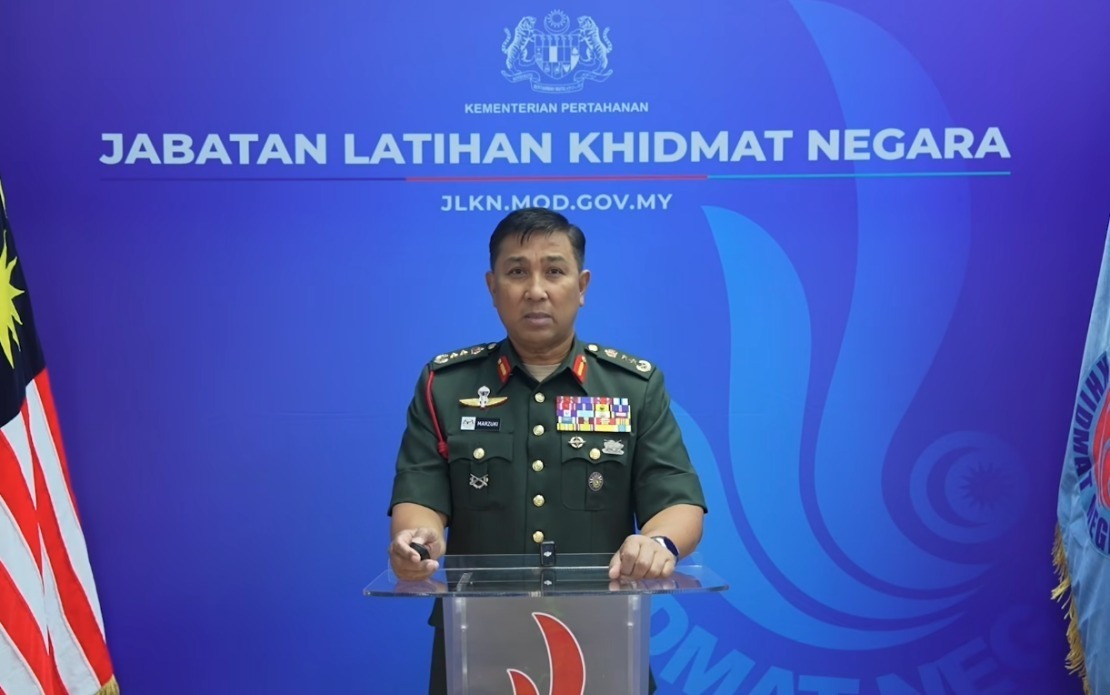
The National Service Training Department has struck a balance between protecting trainees' constitutional rights and maintaining the rigour of its mandatory training programme by approving voting leave for 77 participants in the ongoing PLKN 3.0 Series 3/2026. The decision, announced by Major General Datuk Marzuki Mokhtar, the department's director general, reflects a pragmatic approach to election participation that recognises young citizens' duty to the democratic process whilst ensuring national service objectives remain uncompromised.
Of the 77 trainees granted permission to vote, the majority—46 individuals—will cast ballots in Negeri Sembilan's state election scheduled for August 1. These trainees have been allocated between two to three days of leave to facilitate travel to their constituencies and complete the voting process. The remaining 31 trainees, who are registered to vote in the Johor state election held on July 11, have been granted a single day of deferred reporting, allowing them to return to camp on July 12 following polling day. This graduated approach recognises the varying logistical demands posed by each election date.
The arrangement demonstrates institutional maturity within Malaysia's mandatory national service framework. Rather than enforcing rigid adherence to training schedules that might have prevented democratic participation, the department chose to accommodate voting obligations. This decision carries particular significance given Malaysia's emphasis on civic engagement and the role young people play in strengthening democratic institutions. For PLKN participants, many encountering their first opportunity to vote, the permission to participate sends a powerful message about the importance of electoral responsibility.
The PLKN 3.0 Series 3/2026 programme commenced on July 11 and will conclude on August 24, with a total of 870 confirmed trainees distributed across three military training camps nationwide. Camp 505 AW in Pekan, Pahang, hosts the largest contingent with 500 trainees, whilst Camp 515 AW in Kuala Lumpur accommodates 250 participants. The remaining 120 trainees are stationed at Camp 504 AW Bukit Keteri in Perlis. This geographical spread underscores the national scope of the mandatory service initiative and the complexity of coordinating leave arrangements across multiple operational locations.
The accommodation of voting leave reflects broader government policy on balancing national service obligations with fundamental democratic rights. Malaysia's National Service Training Programme, rebranded as PLKN 3.0 following restructuring, maintains a mandatory character for eligible citizens whilst adapting to accommodate legitimate civic responsibilities. The willingness to grant leave demonstrates that policymakers view voting not as an optional activity but as a core democratic duty that should be facilitated rather than obstructed.
For trainees voting in the Johor election on July 11, the logistics proved relatively straightforward given the proximity of voting day to programme commencement. However, the August 1 Negeri Sembilan election required more extensive planning, necessitating the extended leave allocation to account for travel time and return to camp. This differentiated approach reveals the department's careful consideration of geographical and temporal variables affecting trainees' ability to participate effectively in electoral processes.
The announcement simultaneously provides notice regarding the upcoming PLKN 3.0 Series 4/2026 intake, specifically targeting individuals born in 2008. The department emphasised the importance of monitoring official channels for announcements concerning selection procedures and registration timelines. This forward-looking communication underscores the government's commitment to maintaining transparent and well-publicised recruitment processes for the national service programme. Prospective trainees are advised to disregard unofficial sources and rely exclusively on department-sanctioned information channels to avoid misinformation or fraudulent recruitment attempts.
The decision to grant voting leave carries implications extending beyond immediate electoral participation. It signals to young Malaysians that democratic engagement is compatible with, rather than antagonistic to, state-mandated civic initiatives. As PLKN 3.0 continues expanding its reach among younger age cohorts, establishing precedents that protect voting rights helps legitimise the programme in the eyes of participants who might otherwise view mandatory service as infringing on personal autonomy and democratic prerogatives.
From a regional perspective, Malaysia's approach contrasts with less flexible national service systems elsewhere in Southeast Asia, some of which maintain strict protocols allowing minimal exemption from training duties. The accommodation of voting rights reflects Malaysia's democratic maturity and the stability of its electoral institutions, characteristics that distinguish it within the regional context. The willingness to integrate democratic participation into mandatory national service frameworks demonstrates institutional confidence and flexibility.
The practical implementation of this voting leave arrangement required coordination between the Department of National Service, military training camp commanders, and state election authorities. Such coordination mechanisms strengthen institutional linkages and demonstrate the capacity of Malaysian government agencies to adapt policies when legitimate democratic needs arise. The seamless authorisation of leave—rather than resistance or bureaucratic obstruction—indicates that departments have internalised the principle that voting rights transcend other administrative commitments.
Looking forward, the precedent established through accommodating these 77 trainees will likely inform future policy responses whenever electoral schedules coincide with PLKN cohort training periods. As the programme continues recruiting and training successive cohorts under the 3.0 framework, election authorities and the Defence Ministry can reference this episode as evidence of workable procedures for facilitating voter participation whilst maintaining training programme integrity. Such institutional flexibility, developed through pragmatic problem-solving, strengthens both democratic participation and national service objectives.

