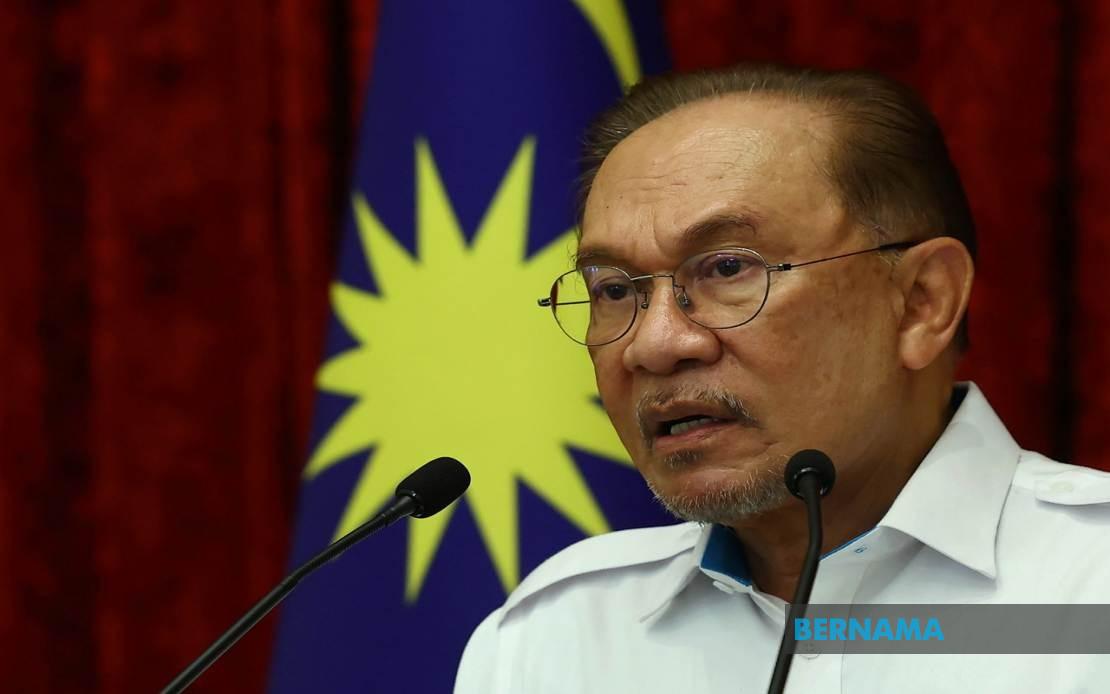
Prime Minister Datuk Seri Anwar Ibrahim has expressed regret at being unable to participate in today's Special Sitting of the Dewan Rakyat dedicated to debating the Royal Commission of Inquiry findings regarding Tabung Haji, Malaysia's Islamic pilgrimage savings institution. The absence of the nation's chief executive from such a significant parliamentary session underscores the seriousness of his current medical condition, which has necessitated withdrawal from official duties during a period of recuperation.
The Prime Minister, through his senior press secretary Tunku Nashrul Abaidah, conveyed assurances that despite his physical absence, he remains fully engaged with the proceedings and intends to monitor the parliamentary debate with close attention. This statement reflects an effort to maintain confidence in government continuity during his recovery period, signalling that executive oversight of critical national matters continues despite his incapacity to attend the chamber.
Anwar Ibrahim is presently undergoing treatment and physiotherapy under the care of a specialised medical team, following an elective laparoscopic surgical intervention performed to address a para-umbilical hernia. The procedure, as detailed by his medical team head Datuk Dr Asri Ranga Abdullah Ramaiah, was successfully completed, though the recovery process demands his continued focus on rehabilitation rather than parliamentary engagement. At 79 years of age, post-operative care and physical recovery require careful management to ensure optimal outcomes.
The timing of the Prime Minister's medical absence coincides with heightened public interest in the Tabung Haji RCI findings, a matter of considerable significance for Malaysia's Muslim population, given the institution's role in facilitating pilgrimages to Mecca and its substantial financial management responsibilities. The parliamentary debate was scheduled to proceed without the Prime Minister's direct participation, raising questions about the government's capacity to address concerns raised in the inquiry while executive leadership remains partially sidelined due to health considerations.
The Prime Minister's office took care to emphasise his improving health trajectory and his commitment to maintaining oversight of governmental functions despite physical limitations. Tunku Nashrul's statement highlighted that Anwar would continue following the debate closely, a reassurance directed toward stakeholders concerned about the stability of executive authority during his recuperation. This commitment reflects the broader political necessity of demonstrating uninterrupted governance capacity, particularly during parliamentary proceedings dealing with matters affecting public trust in major national institutions.
The statement also acknowledged widespread expressions of public concern regarding the Prime Minister's wellbeing, noting the prayers and well-wishes extended by citizens and officials on the occasion of his 79th birthday, celebrated on August 10. Such acknowledgment serves a dual purpose: recognising genuine public support while reinforcing the narrative of a leader maintaining determination and resilience during his recovery phase. The emphasis on birthday greetings and prayers subtly reinforces the human dimension of the situation, offsetting potential concerns about institutional stability.
Anwar Ibrahim's medical team has indicated that his condition is progressing favourably, with physiotherapy proceeding under specialist supervision and the overall trajectory pointing toward resumed full duties. However, the nature of abdominal hernia surgery and the patient's advanced age suggest that complete recovery and unrestricted return to all official functions may require several weeks. The medical team's supervisory approach, with multiple specialists involved, indicates the seriousness with which the Prime Minister's health is being managed at the highest institutional level.
For Malaysian parliament and the broader political system, the Prime Minister's temporary absence during the Tabung Haji RCI debate raises questions about succession planning and the distribution of executive authority during periods when the chief executive is incapacitated. While deputy leadership structures exist to manage day-to-day governance, the symbolic and substantive importance of the Prime Minister's direct engagement in major parliamentary debates cannot be entirely delegated. The government's approach appears to be framing this absence as temporary and unavoidable rather than indicative of broader institutional vulnerabilities.
The Tabung Haji RCI report itself remains at the centre of public discourse, with the parliamentary debate proceeding despite the Prime Minister's absence. The inquiry had examined governance, financial management, and operational matters within the institution, with findings that warranted special parliamentary attention. The government's decision to proceed with the Special Sitting, regardless of the Prime Minister's unavailability, demonstrates the prioritisation placed on addressing these matters and maintaining parliamentary scrutiny of public institutions.
For Malaysian readers and regional observers, the incident underscores both the challenges of aging political leadership and the institutional mechanisms that enable governance continuity during periods of executive incapacity. The transparent communication regarding the Prime Minister's condition and recovery prospects reflects a relatively modern approach to health-related absences from office, though questions about succession and the concentration of executive authority remain relevant in Malaysian politics. The situation also highlights the importance of robust institutional structures capable of functioning effectively even when top leadership is temporarily constrained by medical necessity.

