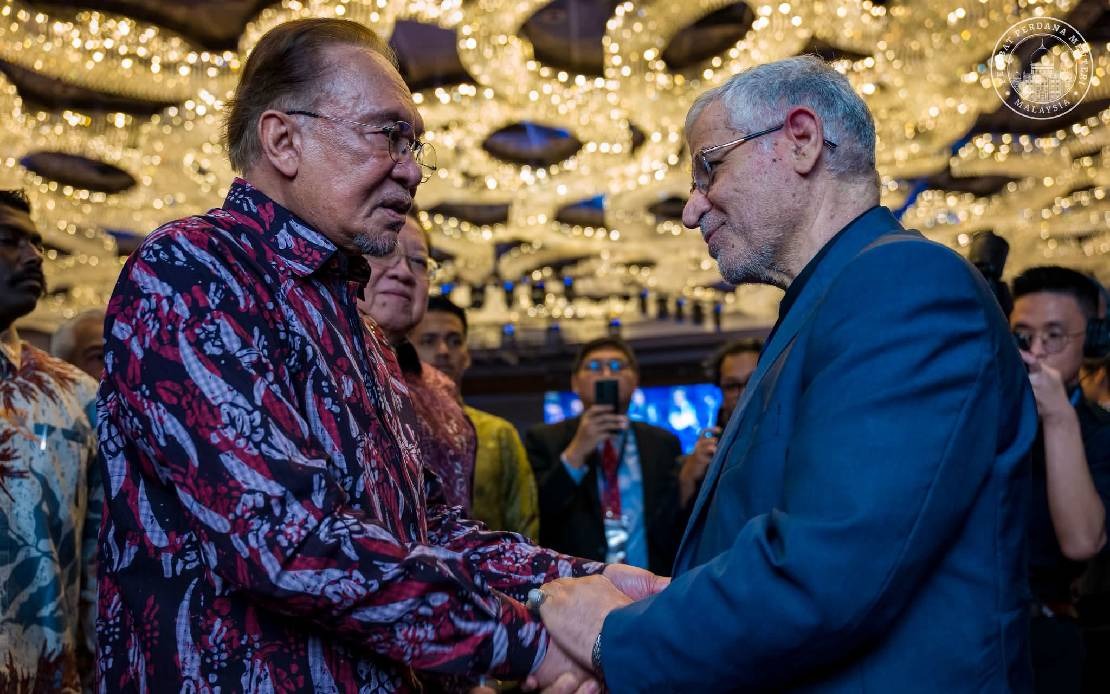
Prime Minister Datuk Seri Anwar Ibrahim has conveyed his regrets to the Iranian government for missing the state funeral and farewell ceremonies of Supreme Leader Ayatollah Ali Khamenei, citing pressing official duties that prevented his attendance. The apology was formally communicated during discussions with Iranian Ambassador to Malaysia Valiollah Mohammadi at the 39th Asia-Pacific Roundtable conference in Kuala Lumpur on Tuesday, with Anwar sharing the message through a Facebook statement.
The absence of Malaysia's leader from such a significant diplomatic event reflects the delicate balance that nations must maintain when navigating international commitments and relationships with major powers in the Middle East. For a country like Malaysia, which maintains bilateral ties across the Muslim world while managing diverse domestic and regional interests, the scheduling conflict presented a genuine diplomatic challenge. Anwar's proactive approach to clarify the situation and express condolences demonstrates an attempt to preserve the relationship despite the unavoidable circumstance.
Khamenei, who was 86 years old, passed away on February 28 following reports of coordinated military action involving the United States and Israel. His death marked the end of a 34-year tenure as Iran's Supreme Leader and sparked significant geopolitical implications across the Middle East. The loss of such a long-serving leader in Iran created a succession moment with ramifications for regional stability and international relations, particularly given Iran's influence in various global affairs and its pivotal role in Middle Eastern politics.
The funeral and farewell proceedings have been arranged as an extended state ceremony spanning six days, beginning on July 4. The schedule encompasses funeral processions through Tehran and Qom, the two major Iranian cities holding religious and political significance, before culminating in burial at the Imam Reza Shrine in Mashhad on July 9. These ceremonies serve not only as a tribute to the deceased leader but also as an opportunity for the international community to demonstrate respect and maintain diplomatic channels with Iran during a transitional period.
To ensure Malaysia's representation remained appropriate and dignified, Anwar designated Agriculture and Food Security Minister Mohamad Sabu to attend the ceremonies on behalf of the nation. This decision allows Malaysia to fulfil its diplomatic obligations while Anwar manages the domestic and international commitments that rendered his personal attendance impossible. The selection of a senior cabinet minister underscores the importance Malaysia places on its relationship with Iran and the respect afforded to Khamenei's legacy.
Anwar's gesture of expressing condolences through both formal channels and public communication reflects Malaysia's sensitivity to religious and cultural protocols governing interactions with Islamic nations. As a Muslim-majority country with significant ties to Iran, Malaysia recognises the profound impact of Khamenei's death on the Iranian people and government. The Prime Minister's acknowledgment of the loss extends beyond diplomatic formality to recognise the spiritual and historical significance of the moment for Iranians.
The timing of this diplomatic exchange at the Asia-Pacific Roundtable conference illustrates how significant international events create natural opportunities for bilateral discussions among leaders and officials. Such forums provide structured settings where delicate diplomatic matters can be addressed in measured, respectful terms. The conference setting lent gravity and formality to Anwar's communication with Ambassador Mohammadi, ensuring the message was conveyed through appropriate channels.
For Malaysia's foreign policy, maintaining strong relationships with key Middle Eastern powers remains strategically important given the region's influence on global energy markets, investment flows, and security architecture. Iran, despite international sanctions and geopolitical tensions, remains a significant actor in regional affairs and a nation with which Malaysia conducts meaningful diplomatic and economic engagement. Any perceived slight or misunderstanding could potentially affect bilateral relations during a sensitive succession period in Tehran.
The successive leadership transition in Iran now becomes a point of focus for the international community. Malaysia, like other nations, will need to establish working relationships with Iran's new leadership structures while maintaining consistency in its foreign policy principles. The outreach demonstrated through Anwar's apology and the dispatch of a senior minister signals Malaysia's intention to remain engaged with Iran regardless of internal political changes.
Anwar's approach demonstrates the nuances required in modern diplomacy, where scheduling conflicts and unavoidable commitments can be acknowledged and addressed thoughtfully rather than allowing them to create unnecessary friction. By personally explaining the situation and expressing appropriate regret, the Prime Minister has taken steps to mitigate any potential perception of disrespect, which could have complicated Malaysia-Iran relations at a time when both countries benefit from stable diplomatic ties.
Looking forward, the success of Mohamad Sabu's representation at the ceremonies will be closely observed as an indicator of Malaysia's commitment to maintaining its relationship with Iran. The presence of a cabinet-level minister signals respect and continuity in bilateral engagement. This moment also provides an opportunity for Malaysia to strengthen ties with Iran's emerging leadership while reaffirming its position as a responsible member of the international community that values diplomatic protocol and respect for all nations.

