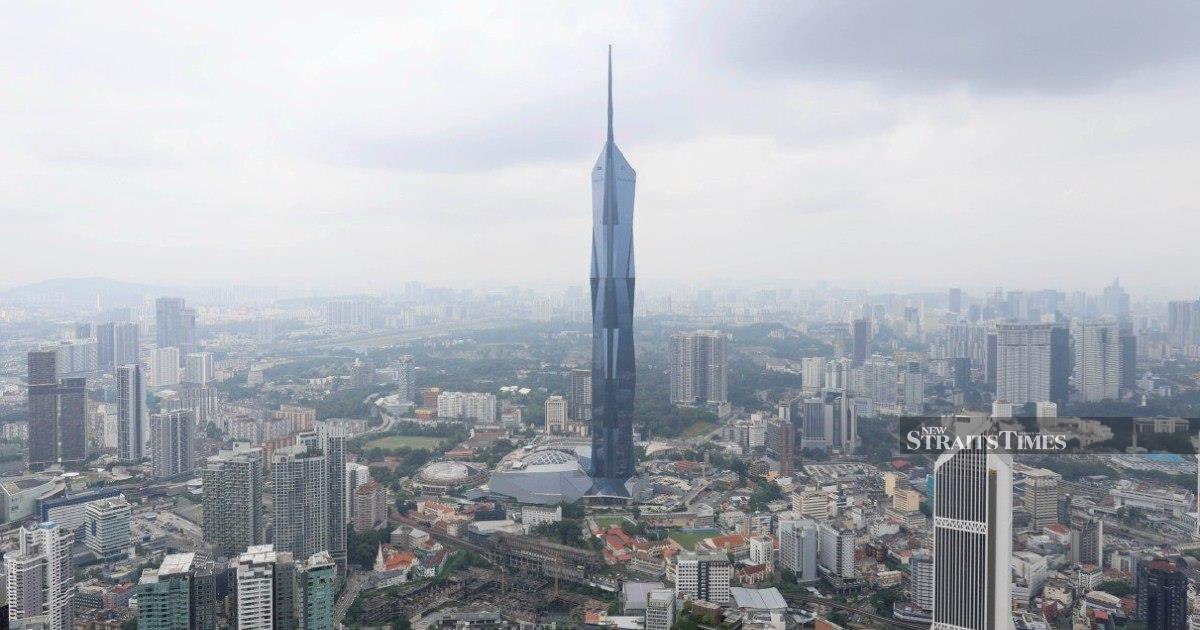
Prime Minister Datuk Seri Anwar Ibrahim made an appeal to Malaysians to offer prayers for an improvement in air quality as the nation approaches its National Day celebrations on August 31. Speaking in Cyberjaya, the Prime Minister's remarks underscored growing concern about transboundary haze affecting the country's ability to conduct festivities without disruption from poor atmospheric conditions.
The timing of the Prime Minister's call reflects the recurring challenge Malaysia faces during certain months when seasonal wind patterns and forest fires in neighbouring regions combine to degrade air quality. August, in particular, often coincides with the onset of conditions that can trap pollutants, making the weeks leading up to the end-of-month National Day observance a period of uncertainty for event planners and public health officials alike.
National Day celebrations represent one of Malaysia's most significant annual events, typically featuring large-scale public gatherings, parades, ceremonial functions, and outdoor activities across the country. Poor air quality poses a tangible threat to the comfort and health of participants, potentially forcing authorities to modify plans or restrict attendance at open-air venues. The Prime Minister's invocation of prayer signals both the seriousness with which government takes this seasonal phenomenon and the limitations of immediate policy interventions to address transboundary pollution.
The haze issue carries particular sensitivity in Malaysia's political context, as it periodically strains diplomatic relations with neighbouring countries where biomass burning contributes to the problem. Previous episodes have prompted governmental appeals for regional cooperation and enforcement of anti-burning regulations. The appeal for prayers, while reflecting Malaysia's multicultural society's spiritual traditions, also subtly acknowledges that solutions require factors beyond administrative control.
From a public health perspective, prolonged exposure to haze-related particulate matter poses documented risks, particularly for vulnerable populations including children, the elderly, and those with respiratory conditions. During previous haze episodes, schools have closed, outdoor events have been cancelled, and healthcare facilities have reported increased patient volumes. The prospect of poor air quality coinciding with National Day could disrupt commemorative events that traditionally bring communities together and reinforce national identity and cohesion.
The Private Hospitals Association has previously noted that haze-related respiratory complaints surge during affected periods, placing additional strain on medical facilities. Environmental non-governmental organisations have consistently advocated for stronger preventive measures and regional frameworks to manage biomass burning in Southeast Asia. Malaysia's position as a middle-income nation with significant economic and diplomatic influence positions it to play a coordinating role in addressing the root causes of transboundary haze, beyond immediate crisis management.
Anticipation surrounding National Day conditions also carries economic implications. The tourism sector, already navigating post-pandemic recovery, relies partly on weather conditions to attract both domestic and international visitors during public holidays. Poor air quality discourages travel and reduces the appeal of outdoor attractions, affecting hospitality, retail, and related service industries. Additionally, businesses planning corporate events or sponsoring national observances factor environmental conditions into their calculations.
The Prime Minister's appeal reflects a delicate balance between acknowledging genuine concerns and maintaining public morale. Expressing uncertainty about atmospheric conditions while emphasizing collective hope through spiritual practices represents a measured communication approach in a multicultural democracy. It validates public anxiety without triggering panic or suggesting governmental incapacity.
Historically, haze episodes have prompted Malaysia to strengthen its monitoring systems and early-warning frameworks. The Department of Environment operates the Air Quality Index, providing real-time data to the public and enabling authorities to issue health advisories. Such infrastructure, combined with contingency planning by event organisers, allows stakeholders to respond adaptively if conditions deteriorate closer to August 31.
Regional cooperation mechanisms, including the ASEAN Secretariat's efforts to coordinate transboundary haze management, have evolved over decades of recurring problems. However, effectiveness depends on consistent enforcement by participating nations and adequate resources directed towards forest fire prevention and control. The Prime Minister's public appeal indirectly reinforces the importance of these multilateral frameworks and signals that Malaysia regards the haze challenge as a collective responsibility.
Looking forward, Malaysia faces the dual challenge of preparing contingency measures for National Day festivities while addressing systemic causes of transboundary air pollution. Whether conditions improve before August 31 will partly depend on meteorological factors and the effectiveness of preventive burning enforcement in neighbouring territories. The Prime Minister's words, meanwhile, reflect the intersection of environmental management, public health, national celebration, and diplomatic reality that characterises Southeast Asia's ongoing struggle with seasonal haze phenomena.

