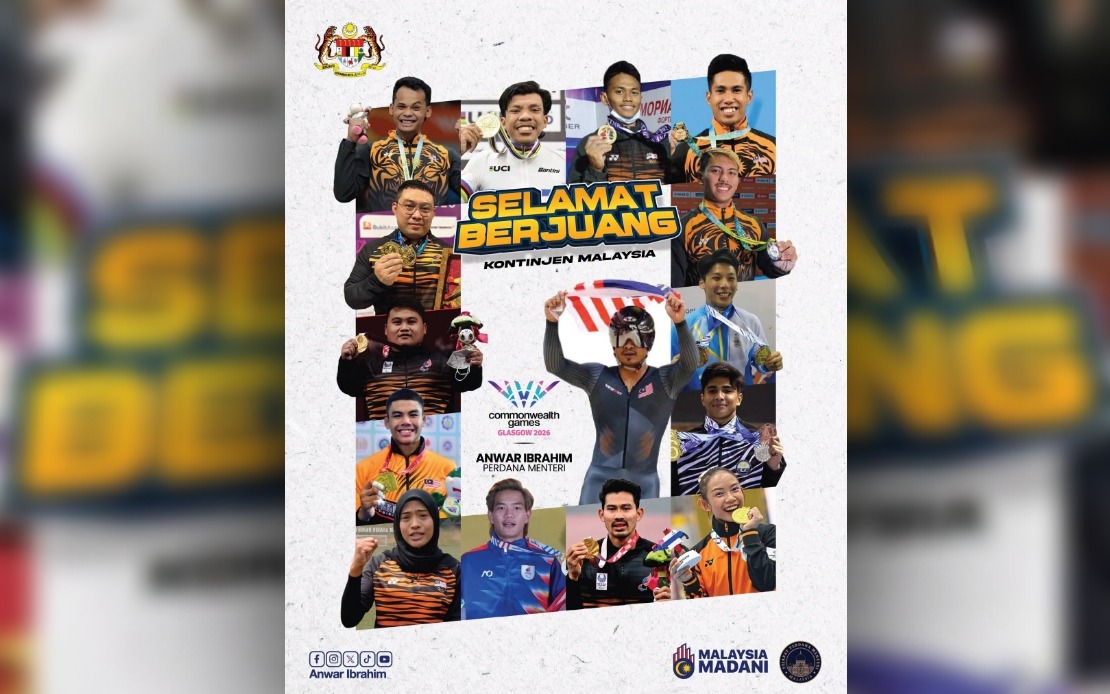
Prime Minister Datuk Seri Anwar Ibrahim has thrown his weight behind Malaysia's national athletes as they prepare for the competitive challenge of the 2026 Commonwealth Games, which officially commenced with the opening ceremony at The Hydro in Glasgow. The Prime Minister's message of encouragement, shared through social media, underscores the government's commitment to supporting elite sports development and recognising the importance of international sporting representation for the nation.
Anwar's statement carries particular significance as it reflects the administration's broader philosophy regarding athletic achievement and national values. Rather than focusing solely on medal counts or final standings, the Premier emphasised the intrinsic qualities that define meaningful competition. His call for athletes to "compete with the highest spirit" while upholding discipline, integrity and sportsmanship suggests a measured approach to international sports engagement that prioritises how Malaysia competes rather than simply the outcomes achieved.
The emphasis on honesty and dignity in competition addresses broader concerns within international sports about conduct, fair play and ethical behaviour. For Malaysian athletes, this messaging sets clear expectations about representation on the global stage. It reinforces that bringing glory to the nation extends beyond podium finishes to encompassing how the contingent conducts itself throughout the Games, interactions with competitors and adherence to sporting values.
The Glasgow Commonwealth Games represents a significant calendar event for Malaysian sport, offering a regional platform for athletes across multiple disciplines. Held across four primary venues—Scotstoun Stadium, Tollcross International Swimming Centre, Glasgow Arena and the Scottish Event Campus—all positioned within a 12.8-kilometre radius of the city centre, the Games facilitate concentrated competition across traditional and emerging sporting domains. This venue configuration reflects modern Games planning that seeks to minimise travel distances and environmental impact while maintaining world-class facilities.
Glasgow's role as Commonwealth Games host carries historical weight, as the Scottish city previously staged the event in 2014. This repeat hosting demonstrates continued confidence in Glasgow's infrastructure and organisational capacity. For Malaysian athletes and officials, familiarity with Glasgow's facilities and organisational structures from previous international events may provide modest advantages in preparation and logistics.
The Commonwealth Games framework remains strategically important for Malaysia's international sports positioning within the wider Asian and global context. Unlike the Olympic Games, which dominate global sporting consciousness, the Commonwealth Games provide a more accessible proving ground for emerging athletes and nations seeking to establish credentials in specific sporting disciplines. Malaysia's participation contributes to the Games' multicultural character and reinforces Commonwealth sporting ties that extend back decades.
Anwar's invocation of prayer and hopes for success reflects the cultural and spiritual dimensions often accompanying official government support for athletic endeavours in Malaysia. The language employed—seeking divine facilitation of efforts and blessing of achievements—acknowledges the role of faith in national identity and public discourse. This framing resonates within the Malaysian context where religious sentiment frequently intersects with civic pride and national representation.
The timing and prominence of the Prime Minister's public endorsement also carry diplomatic implications. Direct leadership engagement with sporting contingents signals institutional priority and demonstrates that athletic representation constitutes a genuine government concern rather than peripheral interest. Such visibility can boost athlete morale and public engagement with Malaysian sporting efforts, potentially enhancing sponsorship prospects and domestic support networks that sustain competitive excellence.
For Malaysian spectators and sports enthusiasts, the Games offer opportunities to follow countrymen competing against regional neighbours and Commonwealth partners across diverse sporting disciplines. Success at Glasgow extends beyond individual medals to encompassing broader development of sporting culture, identification of emerging talent and validation of investment in athletic programmes and training infrastructure. Each Games cycle contributes data and experience that inform strategic planning for subsequent competitions.
The broader significance of Anwar's statement lies in articulating a particular vision of what national sporting success should represent. By emphasising values alongside performance, the Prime Minister positions Malaysia within a tradition that measures national achievement through multiple dimensions. This perspective proves particularly valuable for developing nations where sporting investment necessarily competes with other development priorities, as it frames athletic competition as contributing to national character and international standing beyond purely medal-related metrics.

