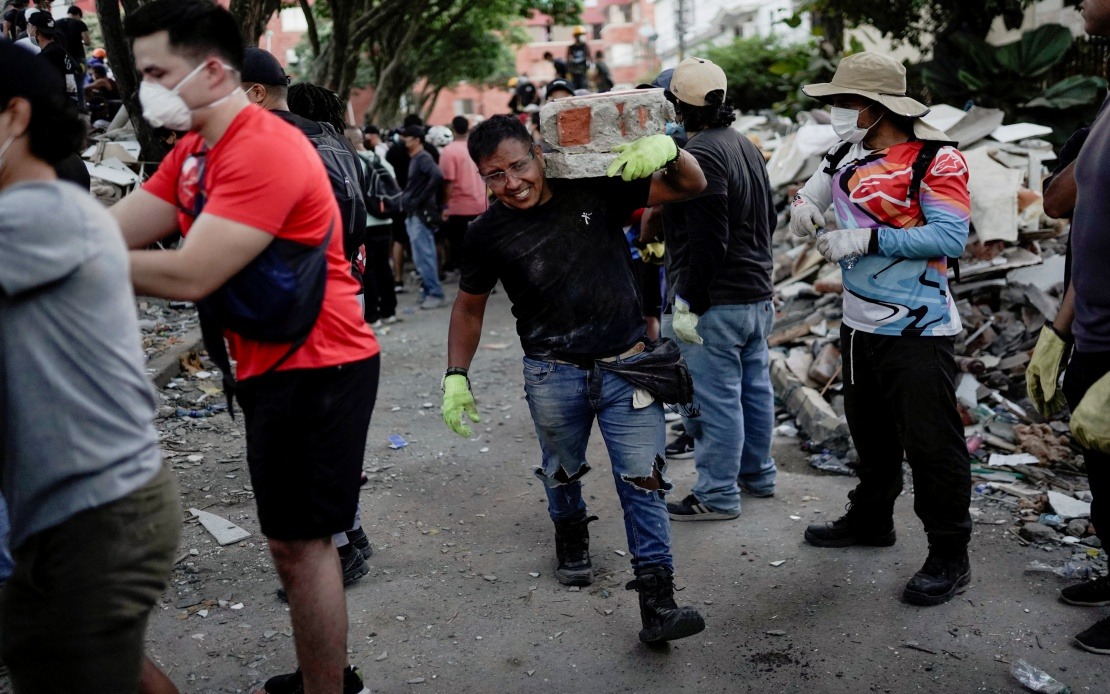
Prime Minister Datuk Seri Anwar Ibrahim has expressed Malaysia's heartfelt condolences to families affected by the powerful earthquake that devastated western Colombia, pledging the nation's solidarity with the Colombian people during this humanitarian crisis. Through a Facebook statement, Anwar characterised the 7.4-magnitude tremor as among the most severe seismic events to impact the South American nation in recent decades, underlining the scale of the disaster that has claimed over 100 lives and left considerable damage across multiple communities.
The earthquake struck on Monday with its epicentre located in the Chocó region, triggering destructive aftershocks and causing substantial structural damage throughout several major urban centres. Cali, Pereira, and Manizales have been identified as particularly affected areas, with rescue and recovery operations continuing under challenging conditions marked by ongoing seismic activity. The intensity of the initial quake and subsequent tremors has compounded the difficulties faced by emergency responders attempting to locate survivors and assess the full extent of the disaster.
In his statement, Anwar specifically acknowledged the extraordinary efforts of rescue workers and volunteer teams operating in hazardous conditions to search for missing persons. He emphasised Malaysia's recognition of their bravery and commitment to saving lives amid the unpredictable nature of continuing aftershocks, which present ongoing risks to both survivors and those involved in rescue operations. The Prime Minister extended prayers for the swift recovery of injured survivors and for the safe discovery of individuals still unaccounted for in the aftermath of the earthquake.
The government's response reflects Malaysia's broader diplomatic approach to international disasters, positioning the nation as a compassionate member of the global community willing to mobilise symbolic and practical support during humanitarian emergencies. By extending these sentiments not only to the Colombian government but specifically to affected families and rescue personnel, Anwar signalled Malaysia's understanding of the human dimensions of such catastrophes beyond mere political protocol.
Geologically, Colombia's vulnerability to seismic activity stems from its position along major tectonic fault lines and subduction zones where the Caribbean, South American, and Nazca plates interact. Earthquakes of 7.0 magnitude and above represent rare but historically significant events in Colombian seismological records, making this disaster a notable occurrence that commands international attention and support. The western regions where Monday's tremor originated are particularly prone to tectonic instability, and the region's mountainous terrain and dense urban settlements elevate the potential for casualties and infrastructure damage.
For Malaysian observers, Colombia's earthquake carries pertinent lessons about disaster preparedness and rapid international response mechanisms. Although separated by vast geographical distance, Malaysia maintains diplomatic relations with Colombia and participates in regional and global forums addressing humanitarian aid coordination. The government's prompt expression of solidarity demonstrates awareness of how such gestures contribute to international goodwill networks that become valuable during times when Malaysia itself faces natural disasters and requires international assistance.
The Malaysian Prime Minister's invocation of the international community's collective support serves multiple diplomatic functions simultaneously. It reaffirms Malaysia's commitment to multilateral cooperation on humanitarian matters, distinguishes between political differences and shared human values during crises, and reinforces the principle that natural disasters transcend national borders and demand unified responses. This framing aligns with Malaysia's broader foreign policy emphasising regional stability and international partnership.
Colombia's earthquake recovery will likely extend across months and years as the nation assesses damage, conducts victim identification processes, provides medical care to the injured, and undertakes reconstruction efforts. The disaster has prompted international humanitarian organisations to mobilise resources, and various nations, including Malaysia through diplomatic channels, are expected to offer assistance as needs become clearer. The immediate phase requires focusing on search and rescue operations and medical response, while longer-term recovery involves rebuilding infrastructure and supporting psychological recovery among traumatised populations.
For Malaysia, the earthquake underscores the unpredictable nature of natural disasters and the importance of maintaining robust emergency management systems, particularly in regions prone to seismic activity. Although Malaysia's seismic risk differs significantly from Colombia's, the country's coastal and low-lying areas face tsunami hazards, and maintaining vigilant warning systems and disaster response protocols remains essential. International cooperation on disaster preparedness, early warning systems, and humanitarian response mechanisms continues benefiting all nations, regardless of their specific geographical vulnerabilities.
The Prime Minister's statement also reflects Malaysia's positioning as a responsible member of regional and global governance structures, where demonstrating compassion during others' crises establishes reciprocal obligations and goodwill. As a Muslim-majority nation with diplomatic presence in Latin America, Malaysia's voice of solidarity carries significance within international forums and contributes to broader narratives about interfaith and intercultural cooperation transcending geographical boundaries. This diplomatic dimension, while secondary to the human tragedy itself, reinforces the interconnected nature of contemporary international relations where natural disasters activate networks of mutual support and demonstrated values.

