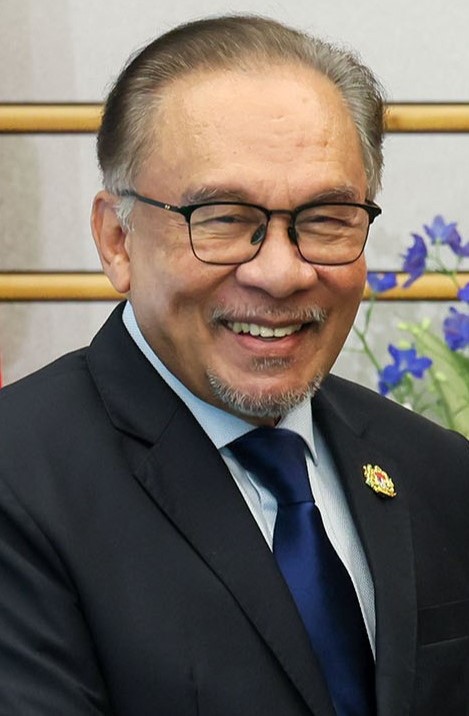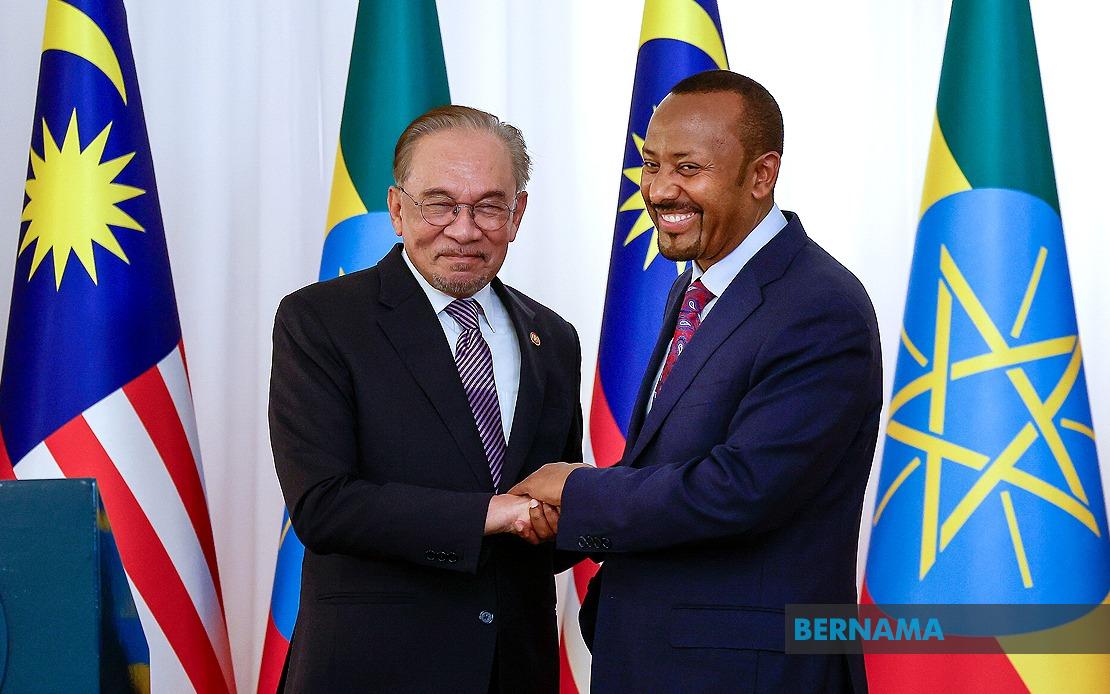
Prime Minister Datuk Seri Anwar Ibrahim has publicly commended Ethiopian Prime Minister Abiy Ahmed Ali and his Prosperity Party following their success in Ethiopia's recent general election. The congratulations, delivered through a social media statement, reflect the Malaysian government's acknowledgment of the electoral outcome and the continuity of leadership in one of Africa's most strategically important nations. Abiy Ahmed's Prosperity Party secured another mandate to govern the Horn of Africa country, consolidating the political momentum built during his previous tenure.
Anwar's message carries particular significance given Malaysia's recent pivot toward deepening engagement with the African continent. He recalled his historic visit to Addis Ababa the previous year, which he characterised as a landmark moment in Malaysian-African diplomatic relations. That journey represented the first official visit by a sitting Malaysian prime minister to Ethiopia, breaking new ground in what has traditionally been a limited diplomatic footprint for Kuala Lumpur in East Africa.
The tone of Anwar's statement emphasises ideological alignment between the two leaders and their respective governments. He noted that both he and Abiy share a similar worldview regarding global affairs and the positioning of developing nations within international relations. This convergence of perspective extends to a broader conviction that countries within the Global South—a designation encompassing developing and newly industrialised nations across Asia, Africa, Latin America, and the Middle East—stand to benefit substantially from collaborative frameworks that treat participating nations as genuine equals rather than subordinates.
For Malaysia, Ethiopia holds strategic value extending well beyond ceremonial diplomacy. Addis Ababa serves as the headquarters of the African Union, making it an essential hub for any regional or bilateral engagement with the broader African continent. The city also represents a crucial intersection point for trade routes and regional economic networks. By cultivating ties with Ethiopia's leadership, Malaysia positions itself to influence continental conversations and secure favourable terms for economic partnerships across Africa's diverse markets.
Anwar's reference to initiatives launched during his previous year's visit suggests a concrete agenda underpinning the relationship rather than merely symbolic gestures. He expressed determination to advance these programmes collaboratively with Abiy's government, indicating that Malaysian policymakers view the Prosperity Party's electoral victory as validating the foundation laid during earlier engagements. This continuity of leadership in Addis Ababa removes potential complications that might arise from transitions in administration that could alter diplomatic priorities.
The broader context of Malaysia's Africa strategy reflects a conscious diversification of the nation's international partnerships. As Malaysia navigates complex geopolitical dynamics in its traditional Southeast Asian theatre and responds to shifting relationships with established partners, engagement with African nations offers alternative avenues for economic cooperation, cultural exchange, and political influence. Ethiopia's position as Africa's second-most populous country and a historical symbol of African independence adds weight to Malaysia's interest in nurturing the bilateral relationship.
Abiy Ahmed's own political trajectory has made him a figure of international interest. Since taking office, he has undertaken significant economic and political reforms while simultaneously managing internal security challenges and regional tensions, particularly concerning Ethiopia's complex relationship with Egypt over water resources and border matters. The Prosperity Party's continued electoral success suggests domestic support for his administration's direction, despite these ongoing complexities.
The election itself took place against the backdrop of Ethiopia's recovery from internal conflict and its efforts to position itself as a modern African power. International recognition of electoral processes in African nations frequently carries diplomatic weight, and Malaysia's explicit acknowledgment of the Prosperity Party's victory contributes to the legitimacy narrative surrounding the election results. This form of strategic recognition, while appearing ceremonial, constitutes an important element of soft diplomacy.
Looking forward, Anwar's commitment to advancing bilateral initiatives suggests Malaysia intends to move beyond symbolic gestures toward substantive engagement. Potential areas for cooperation could encompass trade facilitation, investment partnerships, educational exchange programmes, and coordination within multilateral organisations where both nations hold membership. Ethiopia's growing economy and strategic location make it an attractive partner for Malaysian businesses seeking to expand into African markets.
The congratulatory message also reflects Malaysia's broader positioning within emerging powers' networks. By engaging meaningfully with African leadership, Malaysia reinforces its credentials as a Global South actor concerned with building equitable international relationships. This positioning proves increasingly valuable as developing nations seek alternatives to traditional Western-dominated international structures and institutions.
The significance of Anwar's statement extends beyond bilateral courtesy. It represents a calculated diplomatic move embedding Malaysia within African affairs at a moment when many Asian nations are intensifying their African engagement. For Malaysian readers and policymakers, the message underscores the government's commitment to geographic diversification of partnerships and its willingness to invest diplomatic capital in relationships that may yield long-term economic and political returns. The sustainability of this engagement will depend on translating diplomatic warmth into concrete collaborative achievements that demonstrate mutual benefit for both nations.