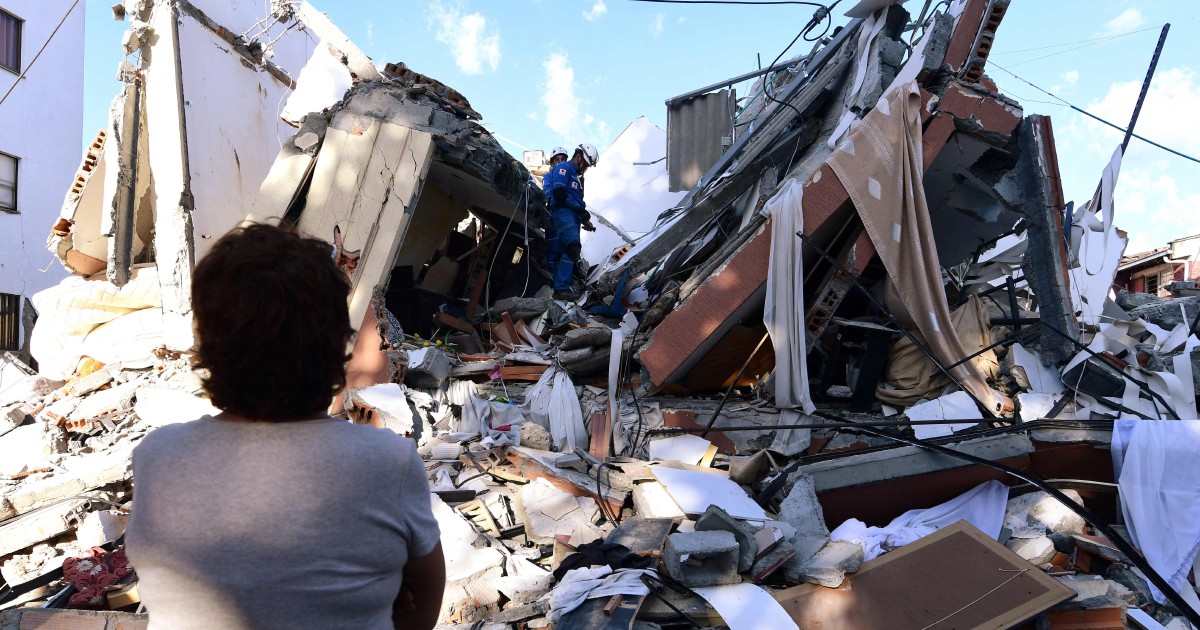
Malaysia's political leadership has responded swiftly to a major natural disaster in South America, with Prime Minister Datuk Seri Anwar Ibrahim issuing formal condolences to the people and government of Colombia following a powerful earthquake that struck the country's western region. The gesture reflects Malaysia's commitment to extending humanitarian sympathy during times of natural crisis, reinforcing bilateral ties between nations across different continents.
The earthquake, which caused significant damage and loss of life in Colombia's western territories, prompted immediate expressions of concern from international leaders and organisations worldwide. Anwar's statement exemplifies Malaysia's diplomatic approach of acknowledging humanitarian emergencies regardless of geographic distance or direct bilateral relationships, positioning the nation as a responsible member of the international community that recognises shared human suffering.
Colombia's western region, including areas around the Pacific coast and mountainous interior zones, has historically experienced seismic activity due to its location within a tectonically active zone where multiple continental and oceanic plates intersect. This latest tremor adds to the ongoing vulnerability of communities in the region, many of which remain insufficiently prepared for major earthquakes despite growing scientific understanding of earthquake prediction and mitigation.
The Malaysian government's response underscores the importance placed on international humanitarian cooperation and solidarity in the face of natural disasters. Anwar's condolences were communicated through official channels, following standard diplomatic protocols that enable nations to formally acknowledge tragedies affecting other countries and express willingness to provide assistance if required.
For Malaysia, which itself lies in a relatively active seismic zone and experiences occasional tremors and flooding incidents, the earthquake in Colombia serves as a sobering reminder of the unpredictable nature of geological forces and the importance of robust disaster preparedness infrastructure. The nation's experience with managing natural disasters informs its understanding of the challenges faced by affected communities during recovery and reconstruction phases.
Columbia's disaster management authorities mobilised quickly to assess damage, conduct rescue operations in affected areas, and coordinate humanitarian response efforts. The international community, including neighbouring South American nations and distant partners like Malaysia, stood ready to offer assistance through established disaster relief mechanisms and bilateral channels.
Anwar's expression of sympathy represents Malaysia's broader engagement with Latin American nations, a region with which the country has historically maintained respectful diplomatic relations despite geographic separation. Such gestures, while symbolic, reinforce global networks of goodwill and mutual recognition that become particularly meaningful during moments of crisis and vulnerability.
The earthquake incident also highlights the importance of continued investment in early warning systems, building standards, and community preparedness programmes across seismically active regions globally. Nations in Southeast Asia, including Malaysia, learn from each occurrence of major earthquakes worldwide, incorporating lessons into their own disaster management strategies and infrastructure planning.
As Colombia's authorities pressed ahead with damage assessment and recovery operations in the days following the earthquake, international expressions of support from leaders like Anwar provided both practical encouragement and symbolic reassurance that the affected nation's struggles were being recognised and acknowledged at the highest levels of global governance.
The incident reinforces Malaysia's position as a nation that participates meaningfully in international humanitarian response networks, ready to offer condolences, technical expertise, or material assistance when natural disasters strike any part of the world. This approach strengthens Malaysia's standing within the international community and demonstrates commitment to universal human values that transcend political boundaries and geographic distances.

