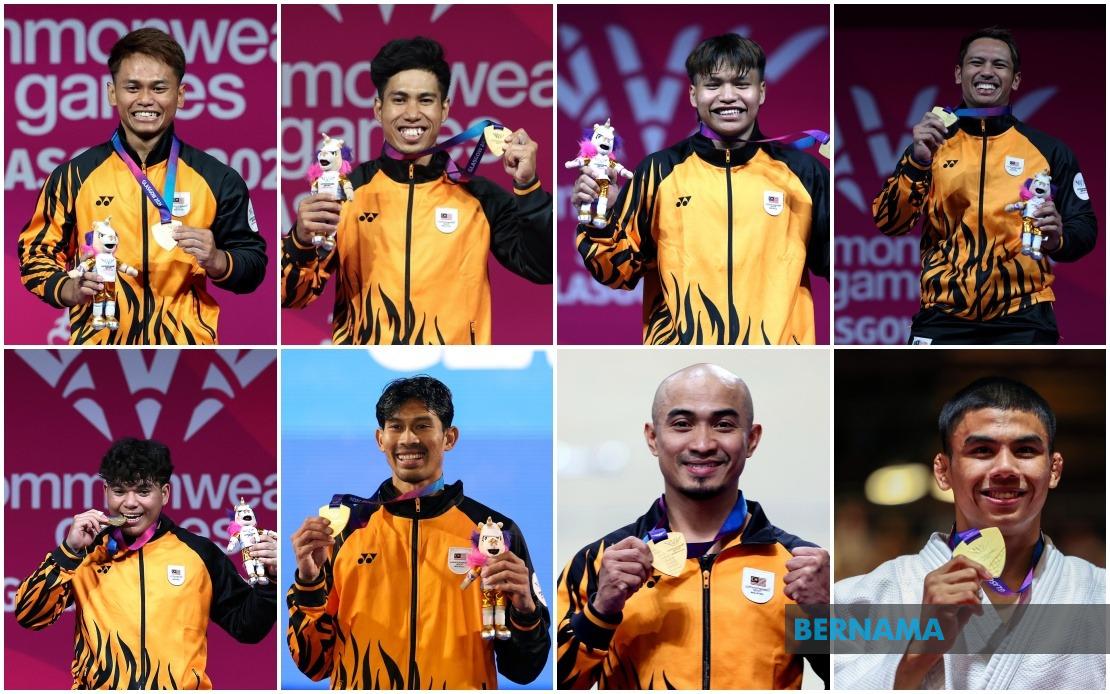
Prime Minister Datuk Seri Anwar Ibrahim has commended the entire Malaysian contingent for demonstrating remarkable resolve and competitive excellence throughout the 2026 Glasgow Commonwealth Games, extending his appreciation across the full support ecosystem that enabled their participation.
In remarks shared via Facebook, the Prime Minister acknowledged not only the athletes themselves but also the extensive network of coaches, sports administrators, support personnel, and the broader Malaysian public whose encouragement and prayers accompanied the team throughout the competition. His statement emphasised the collective nature of international sporting representation, recognising that medal success extends far beyond the athletes competing on the field.
Malaysia concluded its campaign in Scotland in 10th position in the overall medal standings, accumulating a total of 16 medals across the Games' diverse sporting disciplines. This result represents the culmination of years of preparation, training regimens, and institutional investment in developing competitive sporting talent across the nation's athletic programmes.
The Commonwealth Games, held quadrennially among member nations of the Commonwealth, serve as a significant platform for smaller sporting nations to showcase their athletic capabilities on an international stage. For Malaysia, participation in such major multi-sport events provides valuable competitive experience, exposure for emerging athletes, and the opportunity to benchmark national performance against established sporting powers within the Commonwealth family.
The timing of the Glasgow Games represented an important moment for Malaysian sport following the broader repositioning of the nation's athletic development strategies. The government has increasingly invested in identifying and nurturing young talent through development programmes, improved training facilities, and enhanced support systems designed to elevate competitive standards across multiple sports disciplines.
Anwar's acknowledgment of the coaching and support staff reflects growing recognition within Malaysian policy circles of the critical role played by technical expertise and institutional infrastructure in developing competitive athletes. The success of any national contingent depends fundamentally on the quality of preparation provided by experienced coaches, medical professionals, nutritionists, and logistics coordinators working behind the scenes.
The public prayers and well-wishes from Malaysian communities throughout the Games underscore the deep connection between sport and national identity in Malaysia. Athletic achievement at the international level generates pride and goodwill among citizens and reinforces a sense of shared national purpose, transcending the strictly competitive dimensions of the event.
For Malaysia's continued development as a sporting nation, the Glasgow result provides a foundation upon which to build improved performance at future Commonwealth Games and other international competitions. The experience gained by athletes competing at this elite level contributes to the gradual development of a more mature and sophisticated sporting infrastructure capable of consistently producing world-class competitors.
The Prime Minister's public recognition of the contingent's efforts sends an important political signal about the government's commitment to supporting national sporting endeavours. In societies where resources must be allocated across numerous competing priorities, visible leadership endorsement of athletic achievement helps sustain public investment in sports development and maintains political momentum behind programmes designed to elevate Malaysia's international sporting profile.
Looking forward, the lessons learned from Glasgow will likely inform Malaysia's preparation strategy for the next Commonwealth Games, scheduled for 2030. Analysis of performance across different sports, identification of emerging talent among younger competitors, and strategic allocation of resources toward disciplines where Malaysia demonstrates particular competitive strength will shape the next cycle of athletic development.

