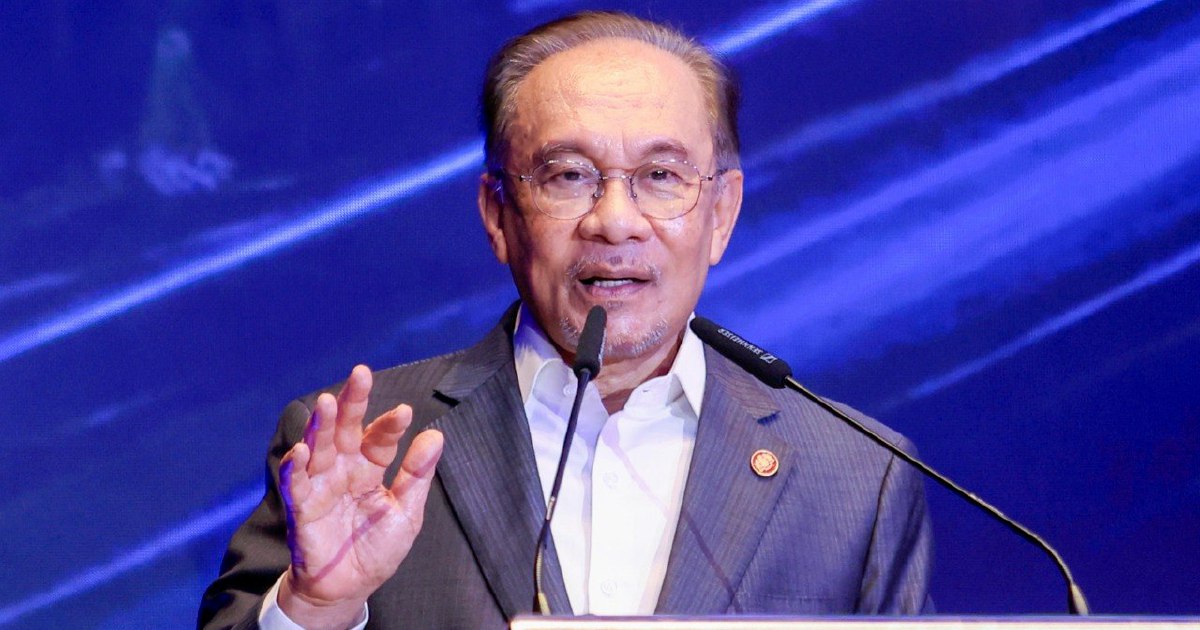
Prime Minister Datuk Seri Anwar Ibrahim has been admitted for a series of medical examinations and procedures following recommendations from his consulting specialists. The move comes as part of routine healthcare management for the country's chief executive, with medical authorities implementing a structured two-day monitoring protocol to ensure comprehensive assessment and recovery.
The decision to undergo these medical interventions reflects standard practice among high-ranking government officials who maintain regular health check-ups to sustain their capacity to discharge demanding constitutional duties. Medical specialists heading the Prime Minister's healthcare team have outlined a specific course of treatment and observation designed to address areas identified during preliminary clinical evaluation.
The two-day monitoring period represents a carefully planned framework allowing medical professionals to observe the Prime Minister's response to procedures and conduct follow-up assessments. This timeframe enables his doctors to gather comprehensive data on his post-procedure condition and make any necessary clinical adjustments before discharge and return to official duties.
For Malaysian readers accustomed to tracking their leaders' wellbeing, such medical admissions underscore the rigorous health standards expected for those holding the highest executive office. The transparent communication about the Prime Minister's healthcare needs reinforces public confidence in institutional governance, demonstrating that even leaders are subject to rigorous medical oversight and accountability.
The procedures undertaken by the Prime Minister fall within the scope of preventive and diagnostic medicine, practices increasingly common among senior leaders worldwide who face considerable physical and mental demands. Advanced medical protocols allow specialists to identify potential health vulnerabilities early, enabling proactive intervention before such issues escalate into more serious complications.
From a regional perspective, Malaysia's handling of high-level political leadership health matters reflects professional institutional practices aligned with standards observed in neighbouring democracies. The willingness to publicly acknowledge such healthcare measures, rather than shrouding them in secrecy, signals institutional maturity and public trust.
The role of the specialized medical team assembled around the Prime Minister illustrates Malaysia's access to sophisticated healthcare expertise. These consultants likely represent the nation's most accomplished practitioners across multiple medical disciplines, reflecting the country's investment in world-class medical facilities and human capital.
Timely healthcare management for key political figures carries implications extending beyond individual wellbeing, touching upon broader questions of governmental continuity and operational stability. Any extended medical absence of the Prime Minister would activate constitutional succession protocols, making preemptive health monitoring a matter of national administrative importance.
The two-day observation window reflects contemporary medical practice that emphasizes patient safety through structured post-intervention surveillance. Rather than immediate discharge following procedures, this extended monitoring period allows specialists to establish clear baseline recovery metrics and address any complications with appropriate medical responsiveness.
Such healthcare developments, while routine in many developed nations, remain subjects of legitimate public interest in Malaysia, where transparency regarding leadership health strengthens democratic institutions and public trust. The communication approach adopted here demonstrates a balance between respecting the Prime Minister's privacy and maintaining public awareness of factors potentially affecting governmental capacity.
Looking forward, the completion of these medical procedures should enable the Prime Minister to continue his official responsibilities with medical assurance that underlying health parameters have been thoroughly assessed and optimized. The investment in preventive healthcare management for top political leadership ultimately serves the broader national interest by ensuring sustained governmental effectiveness.

