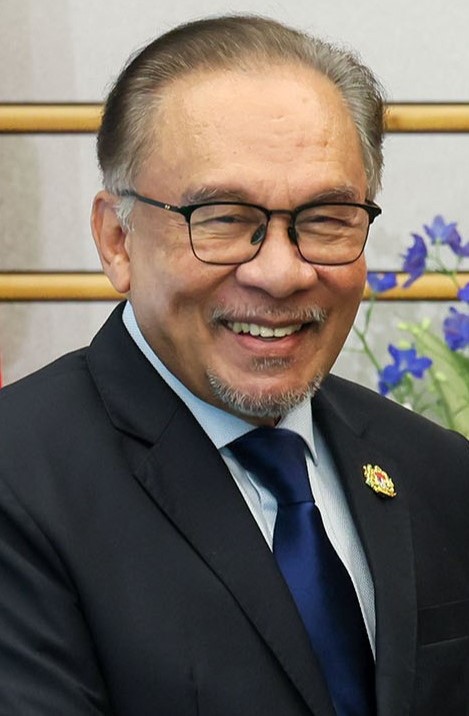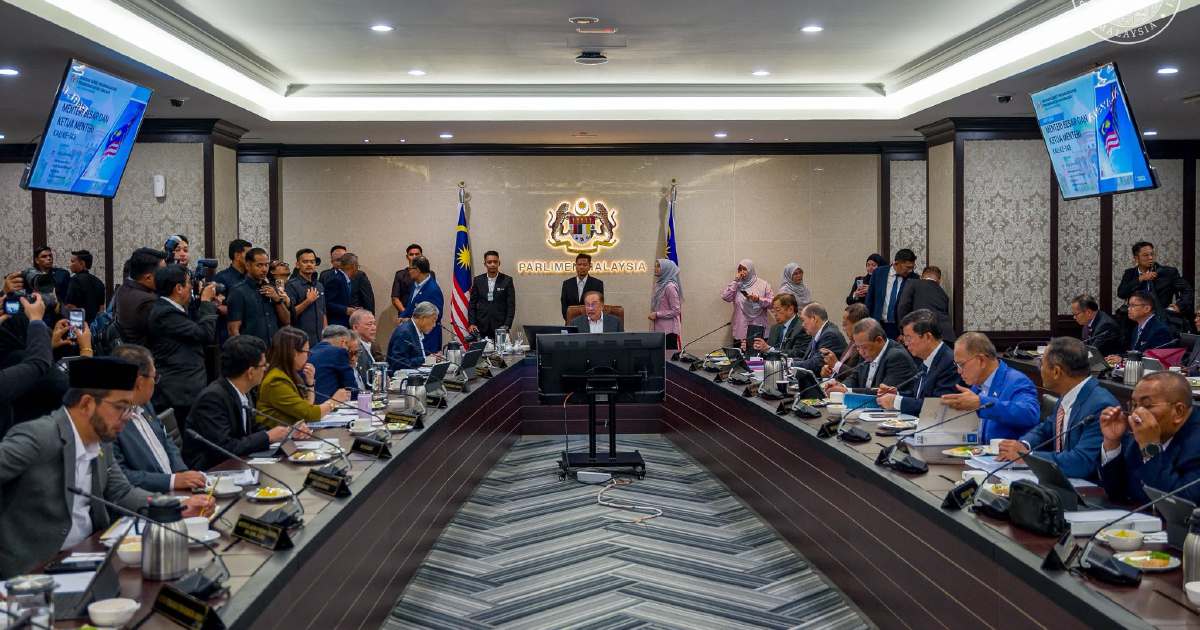
Prime Minister Datuk Seri Anwar Ibrahim has brought together the nation's state leaders at Parliament House in Kuala Lumpur to tackle the pressing challenge of economic revival, signalling the federal government's commitment to coordinated action across regional administrations. The 149th Meeting of Menteris Besar and Chief Ministers, held under his chairmanship, came at a critical juncture as Malaysia grapples with external headwinds stemming from Middle Eastern conflicts that have rattled global markets and supply chains.
The gathering underscores a shift towards collaborative governance, recognising that economic resilience cannot be achieved through federal initiatives alone but requires synchronised efforts from state governments that control significant levers of commerce, investment, and employment. Malaysia's federal system delegates substantial economic responsibilities to individual states, making their cooperation essential for implementing nationwide policies and responding to local economic pressures.
Geopolitical turbulence in the Middle East has created considerable uncertainty in global financial and commodity markets, directly affecting Malaysia's export-dependent economy. The nation's reliance on oil and gas revenues, palm oil exports, and regional trade has made it vulnerable to spillover effects from regional conflicts, necessitating a comprehensive domestic response. Rising energy prices, shipping disruptions, and reduced global demand for certain Malaysian products have prompted the government to seek fresh approaches to economic stabilisation.
The timing of this high-level consultation reflects growing concerns within the administration about maintaining Malaysia's economic momentum amid what economists term a period of sustained international volatility. The meeting served as a platform for disseminating government directives while gathering insights from state administrations about ground-level economic conditions and challenges affecting their respective regions.
State governments, as custodians of land administration, agriculture, small and medium enterprise support, and local infrastructure development, occupy pivotal roles in any nationwide economic recovery programme. Their participation in such meetings ensures that policies formulated at the federal level can be adapted to local contexts and that resource allocation aligns with regional priorities and capacities.
Malaysia's approach mirrors strategies adopted by other developing nations facing similar external pressures, emphasising internal coordination and strengthened domestic demand as buffers against external shocks. By convening Menteris Besar and Chief Ministers, the Prime Minister signalled that economic revival requires sustained dialogue between levels of government, moving beyond isolated policy announcements to concerted implementation efforts.
The discussion likely encompassed multiple economic domains including agriculture modernisation, trade facilitation, investment attraction, and worker productivity, all of which fall partially within state jurisdiction. Food security and agricultural sustainability, critical given Malaysia's reliance on imports for numerous staples, would have featured prominently in deliberations about long-term economic resilience.
Investment promotion at the state level has become increasingly important as multinational corporations diversify away from single-country manufacturing hubs. States compete to attract factory relocations and foreign direct investment, making their capability to offer competitive conditions and infrastructure crucial for Malaysia's continued appeal as an investment destination. The meeting likely addressed how states can collectively enhance their attractiveness while maintaining labour standards and environmental compliance.
The convening also reflects awareness within Putrajaya that sustained economic performance depends on bolstering consumer and business confidence at the grassroots level. Employment generation, wage growth, and small enterprise viability operate primarily within state economic ecosystems, and their deterioration signals deeper systemic challenges requiring policy intervention.
Malaysia's recovery strategy must balance immediate stabilisation measures with longer-term structural adjustments, including digital economy transition, renewable energy adoption, and value-chain upgrading. State governments, through their control of vocational training facilities, agricultural extension services, and business licensing, possess tools to facilitate these transitions across their territories.
The meeting represents a moment of introspection for Malaysian governance, acknowledging that the 2020s present fundamentally different economic challenges compared to previous decades. Protectionism rising in developed economies, disrupted supply chains, and climate-related pressures require coordinated responses that transcend traditional federal-state administrative boundaries.
Looking forward, the effectiveness of this coordination effort will determine whether Malaysia can sustain its middle-income status and progress toward developed-nation goals despite challenging external circumstances. The state leaders' engagement signals that achieving economic revival demands sustained commitment across all governmental levels, with clear communication of priorities and accountability mechanisms ensuring implementation of agreed strategies throughout the federation.