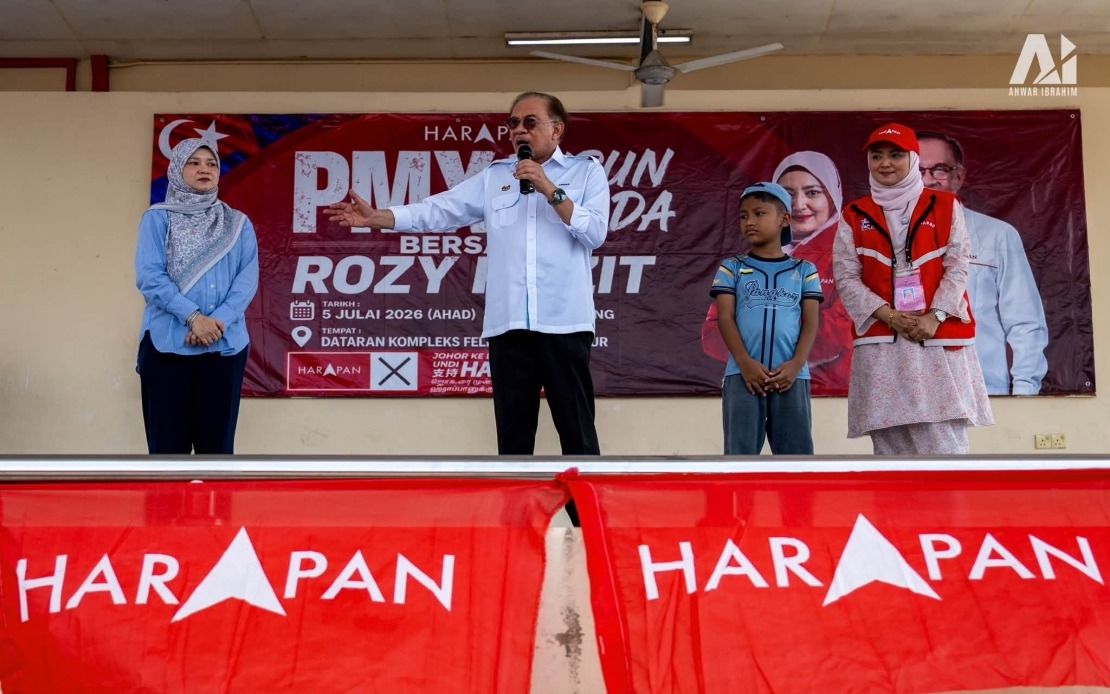
Prime Minister Datuk Seri Anwar Ibrahim has reflected on a poignant encounter with a determined nine-year-old who journeyed through an oil palm plantation with his grandmother in pursuit of a chance to meet the country's leader. The meeting occurred during an official programme at Felda Palong Timur in Segamat, and the experience left such an impression on Anwar that he subsequently arranged for a bicycle to be delivered to the young boy as a token of recognition for his earnest effort.
The story centres on Muhammad Afif Ikhwan, whose grandmother Rosimah Mohammad, aged 58 and residing in Kampung Pudu, Segamat, made the remarkable decision to navigate a motorcycle through plantation tracks to grant her grandson his wish. What the Prime Minister described as an ostensibly modest ambition required considerable determination and physical effort from both grandmother and grandchild, underscoring the genuine desire that motivated their journey across difficult terrain.
During the event at Felda Palong Timur, the boy managed to push through the assembled crowd to reach the Prime Minister, and their handshake culminated in Anwar inviting him onto the stage to stand beside him. Though the interaction itself lasted only moments, Anwar emphasised in a Facebook post that the brevity of the encounter belied its profound emotional significance for all involved.
Anwar used the incident to articulate a broader message about compassion and humanity in public service. He stressed that regardless of the demanding nature of managing national affairs and confronting substantial governmental challenges, maintaining empathy towards citizens and demonstrating care for fellow Malaysians must remain a constant priority. The Prime Minister framed the episode as a reminder of the human dimensions of leadership that can so easily be overshadowed by bureaucratic and policy demands.
The gesture of sending an intermediary to present Muhammad Afif with a bicycle represents more than a simple gift—it demonstrates a deliberate effort to acknowledge the boy's determination and to create a lasting memory of the encounter. Such acts of reciprocal recognition, where a young citizen's earnest desire to meet his leader is met with genuine acknowledgment, can serve to reinforce public confidence in political figures and strengthen the bonds between government and the communities it serves.
Anwar expressed hope that the experience would become an enduring memory for Muhammad Afif, one that would inspire the boy to maintain his educational pursuits and ultimately contribute positively to his family, community, and nation. This forward-looking perspective positions the brief meeting not merely as an isolated incident but as a potential turning point that might influence the trajectory of a young Malaysian's life and aspirations.
The incident resonates particularly within rural Malaysia, where access to high-profile political figures often requires extraordinary effort and determination. For families in plantation communities and agricultural regions, the geographical and logistical barriers to such encounters are substantial, making Rosimah's decision to traverse difficult terrain on behalf of her grandson a testament to her commitment to fulfilling his wishes. The story underscores the hopes and dreams that persist in communities beyond major urban centres.
The episode also reflects broader themes about intergenerational bonds and the willingness of grandparents to make significant sacrifices for their grandchildren's happiness and development. Rosimah's motorcycle journey through the oil palm plantation was not merely a practical means of transportation but an expression of familial love and a demonstration of the importance she places on her grandson's aspirations and sense of connection to national leadership.
For public figures, such encounters carry particular significance in demonstrating accessibility and human warmth. Anwar's reflection on the meeting and his subsequent follow-up with the bicycle gift illustrate a leadership style that prioritises personal connection and emotional intelligence, qualities that can enhance public perception of political leaders as individuals genuinely invested in the welfare and happiness of ordinary Malaysians.
The narrative also touches on the reality of life in Felda settlements, where communities have historically relied on agricultural work in palm oil production. Such communities often feel geographically and socially removed from centres of political power, making symbolic gestures of recognition and inclusion particularly meaningful. When a Prime Minister takes time to acknowledge and remember an encounter with a constituent from such a community, it sends a signal that the concerns and aspirations of rural Malaysians matter to the highest levels of government.
Anwar's public sharing of this story through social media serves an additional purpose, elevating the experience beyond a private moment into a broader narrative about values and compassion in governance. By making the encounter public, he has given it symbolic weight and transformed a personal interaction into a statement about the principles he believes should guide political leadership and public service in Malaysia.

