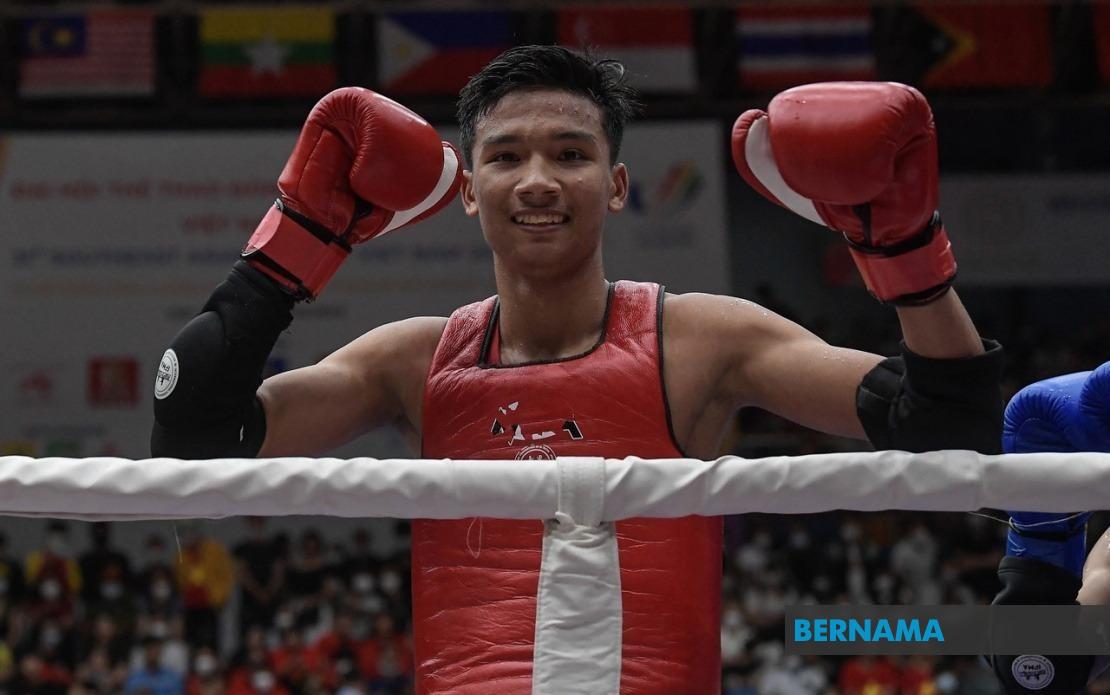
Prime Minister Datuk Seri Anwar Ibrahim has thrown his weight behind national Muay Thai athlete Ahmad Nor Iman Aliff Rakib ahead of a historic world title opportunity, using his political platform to mobilise public support for the competitor's upcoming championship bout. The Prime Minister's direct intervention in a sporting matter signals the broader national importance being attached to what could become a watershed moment for Malaysian combat sports on the international stage. In a statement published on Facebook, Anwar positioned Ahmad Nor Iman Aliff's challenge as an opportunity for the entire nation to witness history in the making, reflecting how grassroots success in niche sporting disciplines can command high-level political attention.
Ahmad Nor Iman Aliff will contest the ONE Interim Strawweight Muay Thai World Championship on Friday at the legendary Lumpinee Stadium in Bangkok, facing Sam-A Gaiyanghadao, a combat sports figure whose name carries considerable weight across Southeast Asian fighting circles. The venue itself carries profound significance within Muay Thai culture, having hosted countless defining moments in the sport's modern history. For a Malaysian athlete to compete at such a prestigious location for a world title represents a substantial achievement regardless of the outcome, underscoring why senior government figures have deemed the moment worthy of public endorsement.
Anwar's messaging centred on the historic significance of Ahmad Nor Iman Aliff's achievement in reaching this stage, characterising him as potentially the first Malaysian combat sports athlete to secure a world championship opportunity. This framing emphasises not merely the individual accomplishment but the broader symbolic value for a nation seeking to establish itself as a competitive force beyond traditional sporting domains. The Prime Minister's emphasis on "making history" reflects how breakthrough performances in individual sports can take on national dimensions, particularly in a region where combat sports hold substantial cultural resonance and audience engagement.
The call for national backing carries implicit recognition that championship-level competitions depend not only on an athlete's physical preparation and technical skill but also on the psychological benefit derived from domestic support. Anwar's invocation of collective backing suggests awareness that Malaysian sports audiences, when mobilised, can create meaningful momentum behind homegrown talent. This approach mirrors strategies employed across Southeast Asia, where governments frequently leverage popular sporting narratives to build national cohesion and project soft power internationally.
Ahmad Nor Iman Aliff's qualification for a world title shot represents the culmination of years of competitive development within Malaysia's Muay Thai ecosystem. The ONE Championship, which operates across Asia and has established itself as a premier mixed martial arts and striking sports organisation, has become increasingly important as a pathway for regional athletes seeking international recognition. Malaysian participation within this framework, particularly at championship level, indicates growing integration of local talent into elite transnational sporting networks.
The opponent Ahmad Nor Iman Aliff will face, Sam-A Gaiyanghadao, represents established excellence in Muay Thai traditions. Thailand's historical dominance in the sport means that any Malaysian success against Thai opponents carries amplified resonance, as it suggests the emergence of competitive talent outside the sport's traditional heartland. Such cross-border competition naturally generates interest across Southeast Asia, where sporting rivalries frequently align with national boundaries and represent soft competition between regional powers.
From a Malaysian perspective, a victory would extend the nation's portfolio of world-level sporting achievements and potentially inspire additional investment and participation in combat sports disciplines that have historically received less attention than conventional team sports. The sector represents an area where individual excellence can translate into international visibility with relatively modest infrastructure requirements compared to major team sports. This economic efficiency makes combat sports particularly attractive for smaller nations seeking world-stage representation.
Anwar's public support also reflects broader government philosophy regarding national branding and the deployment of sporting achievement as a tool for enhancing Malaysia's international image. Southeast Asian governments have increasingly recognised that success in niche sporting categories can generate disproportionate diplomatic benefit by demonstrating competitiveness and ambition on the global stage. A Malaysian world champion in any discipline, regardless of audience size, becomes a tangible marker of national capability.
The timing of Anwar's statement, released shortly before the competition, suggests calculated political engagement designed to maximise visibility for Ahmad Nor Iman Aliff during the critical period immediately preceding the bout. By associating himself and the office of Prime Minister with the athlete's cause, Anwar has effectively elevated the competition beyond a sporting event into a matter of broader national consequence. This approach can either enhance performance through boosted confidence or, conversely, introduce additional psychological pressure depending on the athlete's temperament and experience managing expectations.

