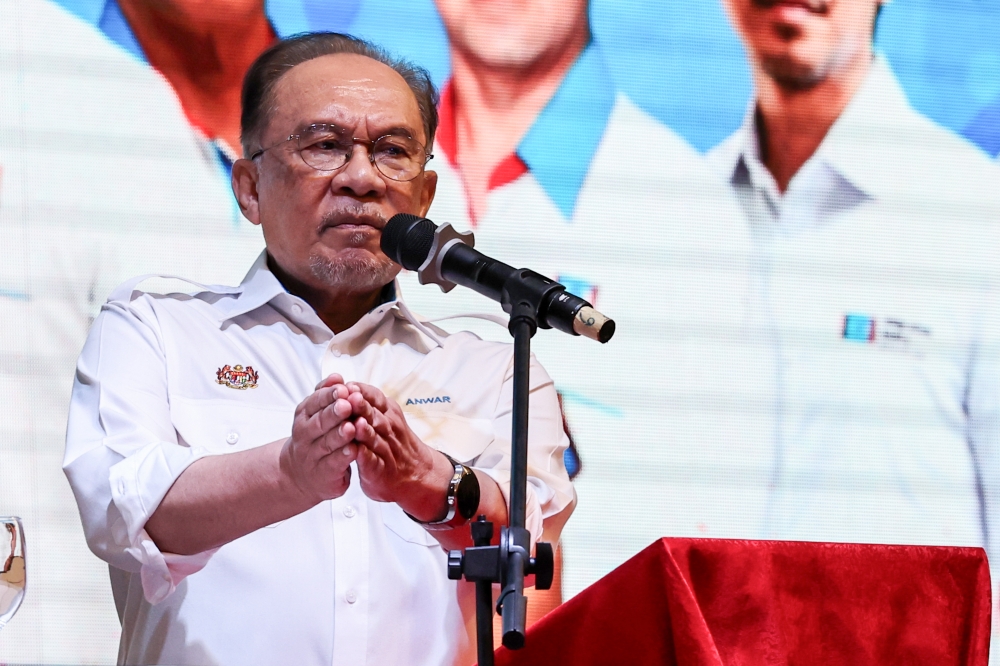
Prime Minister Datuk Seri Anwar Ibrahim has responded forcefully to the Royal Commission of Inquiry's findings on Tabung Haji, describing the RM12 billion loss as an unambiguous instance of funds being improperly diverted from the pilgrimage savings institution. Speaking at an event in Melaka on August 15, Anwar underscored that such massive financial losses cannot be dismissed as mere mismanagement, insisting instead that the evidence points to systematic siphoning of resources that warrants serious legal and administrative consequences.
The Tabung Haji RCI report represents one of the most significant inquiries into financial misappropriation at a Malaysian government-linked company in recent years. The institution, which manages savings for prospective pilgrims and holds assets exceeding RM70 billion, had experienced a dramatic deterioration in its financial position over the preceding decade. The loss amount revealed by the commission constitutes a substantial erosion of capital that directly affects the retirement and hajj aspirations of hundreds of thousands of Malaysian contributors who entrusted their funds to what they believed was a secure, religiously-compliant investment vehicle.
Anwar's characterization of the losses as "sakau"—a colloquial term meaning to siphon or divert—reflects growing ministerial impatience with explanations that frame financial disasters as outcome of poor oversight or investment missteps. By employing this language, the Prime Minister signalled that his administration views the matter as involving deliberate, culpable actions rather than inadvertent errors. This rhetorical positioning carries implications for how the government intends to pursue accountability, potentially setting a higher evidential and legal bar for those found responsible.
The implications of Tabung Haji's financial collapse extend beyond the institution itself. For Malaysian policymakers and regulators, it represents a systemic governance failure that must prompt reassessment of oversight mechanisms governing government-linked companies. The scale of the loss—equivalent to roughly 4.5 per cent of annual federal government revenue—demonstrates how inadequate internal controls and regulatory vigilance can result in damage to public institutions that carry religious and social significance for millions of citizens. The Melaka remarks suggest Anwar views this as a watershed moment for institutional reform across the broader government-linked ecosystem.
For Tabung Haji's contributors, many of whom are middle and lower-income Malaysians saving throughout their working lives, the RCI findings represent a profound breach of trust. These individuals have limited alternative savings vehicles for hajj purposes and depend heavily on government-regulated institutions for financial security. The revelation that their contributions were vulnerable to improper diversion raises uncomfortable questions about fiduciary responsibility and whether existing governance frameworks adequately protect vulnerable investors. Policymakers must now grapple with whether current regulatory safeguards are sufficient or whether legislative reform is necessary.
The timing of Anwar's comments, several months into his tenure as Prime Minister, reflects a deliberate effort to establish his administration's commitment to combating what he frames as institutionalized financial misconduct. By publicly emphasizing the gravity of Tabung Haji's situation and using language that suggests deliberate wrongdoing, Anwar is positioning his government as willing to confront inconvenient truths about the previous administration's oversight failures. This approach carries political benefit but also carries the responsibility of ensuring that investigations proceed fairly and that any prosecutions or administrative actions withstand legal scrutiny.
Regionally, Malaysia's experience with Tabung Haji offers cautionary lessons for other Southeast Asian nations managing similar pilgrimage savings schemes or government-linked investment vehicles. The RM12 billion loss demonstrates that size and religious credibility alone do not protect institutions from financial deterioration when governance standards are compromised. Other ASEAN countries with comparable schemes may find value in studying the RCI's findings and recommendations to identify early warning indicators and strengthen their own regulatory frameworks before comparable crises emerge.
The RCI's work now enters the implementation phase, where its recommendations must translate into concrete reform measures and, where appropriate, criminal or administrative action. Anwar's public remarks suggest the government intends to pursue accountability vigorously, though the actual pace and outcomes of investigations will ultimately determine whether the administrative response matches the rhetorical commitment. The challenge ahead involves balancing the need for swift justice against ensuring that investigations meet international standards of due process and evidence gathering.
For investors and savers across Malaysian financial institutions, Tabung Haji's experience underscores the importance of independent auditing, transparent reporting, and robust regulatory oversight. The fact that a major government-linked entity could accumulate RM12 billion in losses before comprehensive investigation occurred raises systemic questions about whether existing regulatory frameworks adequately serve the public interest. Anwar's emphasis on accountability suggests his administration recognizes these structural weaknesses and intends to address them, though meaningful reform will require not only political will but also sustained institutional commitment and resources beyond the current political cycle.

