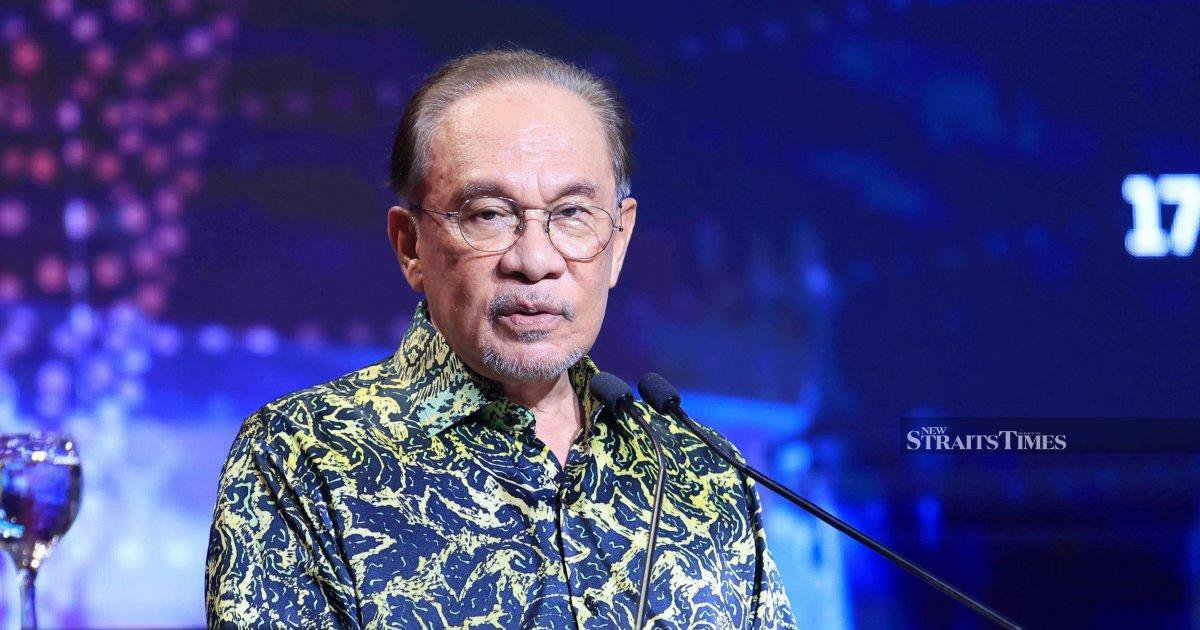
Prime Minister Datuk Seri Anwar Ibrahim has completed an elective laparoscopic procedure targeting an abdominal hernia, with the operation proceeding as planned at a medical facility in Kuala Lumpur. The minimally invasive surgery, a routine approach for hernia repair, represents a carefully scheduled medical intervention that was publicly disclosed in advance to maintain transparency about the nation's top executive's health status. The Prime Minister is presently under continued medical supervision during the early stages of his recovery, with his medical team monitoring his progress closely.
Laparoscopic hernia repair has become the preferred method for many abdominal hernia cases across the region, including in Malaysia. The procedure involves making small incisions through which a surgeon inserts a camera and specialized instruments, allowing for precise tissue repair while minimizing trauma to surrounding structures. This approach typically results in shorter recovery periods compared to open surgical techniques, reduced post-operative pain, and lower infection risks. For a public figure managing significant governmental responsibilities, the choice of minimally invasive surgery reflects modern medical practice aimed at maintaining operational capacity while addressing necessary health concerns.
Abdominal hernias occur when tissue pushes through a weakness in the abdominal wall muscles, creating a bulge beneath the skin. While some hernias remain asymptomatic and require only monitoring, others may cause discomfort, enlargement over time, or potential complications if left untreated. The decision to pursue surgical intervention is typically based on careful assessment of symptoms, risk factors, and the individual's overall health profile. For someone in an intensive leadership position requiring sustained physical and mental engagement, addressing such medical conditions proactively aligns with maintaining optimal health and capacity.
The timing and advance notification of the procedure reflect established protocols regarding high-level government officials' health disclosures. Malaysia's political leadership has generally maintained a balance between safeguarding personal privacy and ensuring public knowledge about factors affecting governance capacity. This transparency regarding planned medical procedures allows continuity planning and reassures the public that significant government functions are accounted for during leadership transitions, even temporary ones. Deputy leadership structures ensure administrative operations continue smoothly throughout recovery periods.
Post-operative recovery following laparoscopic hernia repair typically extends over several weeks, with gradual resumption of normal activities. Patients generally experience considerably faster return to light duties compared to those undergoing open surgery, though strenuous physical exertion is typically restricted temporarily. The small incision sites heal within days, though internal tissue requires longer to achieve full strength. For a Prime Minister balancing substantial governmental demands, the recovery curve makes laparoscopic repair especially practical, permitting phased return to full duties as medical clearance progresses.
The medical team supervising the Prime Minister's recovery includes specialists with extensive experience in surgical outcomes and post-operative care management. Continued hospitalization and observation during the immediate post-operative period allows comprehensive monitoring of vital functions, pain management optimization, and early detection of any complications. This cautious approach is standard practice for significant surgical procedures, ensuring any issues are identified and addressed promptly before discharge to home-based recovery.
Regional comparisons show that elective surgical procedures among Southeast Asian heads of government are increasingly managed with transparency and advanced medical protocols. Countries including Singapore, Indonesia, Thailand, and the Philippines have similarly disclosed planned medical interventions by senior officials, reflecting evolving standards of governance communication in the region. This openness contrasts with historical patterns in which health matters remained entirely private, representing a modernization of political accountability frameworks.
The Prime Minister's office has coordinated with cabinet colleagues to ensure governmental functions proceed without disruption during the recovery period. Malaysia's ministerial structure provides contingency mechanisms allowing delegation of duties when leadership is temporarily restricted by medical circumstances. Such arrangements are particularly important in a parliamentary democracy where continuous executive oversight is essential, though temporary adjustments are manageable through established protocols.
Stakeholders across Malaysia's political, business, and civil service sectors have expressed support for the Prime Minister's recovery, recognizing that addressing necessary health matters proactively benefits long-term governance stability. The straightforward public communication about the procedure and recovery status demonstrates confidence in institutional continuity and demonstrates that responsible health management by senior leaders strengthens rather than weakens governmental operations. This approach aligns with international best practices in healthcare transparency for public figures.
The recovery period will establish a timeline for the Prime Minister's full return to unrestricted governmental duties, with medical clearance determining the pace of activity resumption. Weekend rest periods and adjusted scheduling during initial recovery phases represent standard modifications supporting healing while maintaining essential leadership functions. The public announcement of medical progress throughout recovery further reinforces transparency about leadership capacity and maintains stakeholder confidence in governmental continuity during this temporary medical transition.

