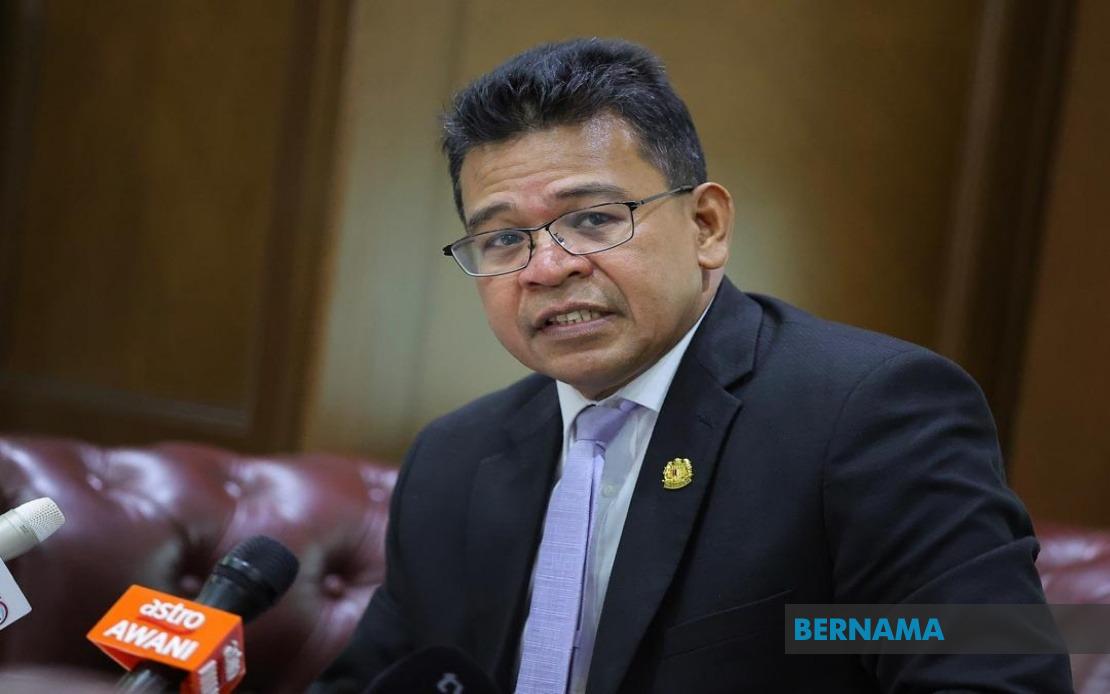
Prime Minister Datuk Seri Anwar Ibrahim will undertake a two-day working visit to Brunei beginning tomorrow, August 21, centred on attending the 27th Annual Leaders' Consultation (ALC-27), Malaysia's highest-level bilateral engagement mechanism with its smaller neighbour. The visit, concluding on August 22, represents a continuation of the structured dialogue framework that has anchored Malaysia-Brunei relations for decades and serves as an essential platform for senior leadership to assess the health of bilateral cooperation while addressing shared regional priorities.
According to Malaysian High Commissioner to Brunei Datuk Mohd Aini Atan, the annual consultation series functions as the paramount bilateral mechanism between the two nations, designed to facilitate direct engagement between heads of government on matters of strategic importance. During the consultation, Anwar and Sultan Hassanal Bolkiah will conduct a comprehensive review of the progress achieved across various cooperation domains and chart the direction for future collaborative efforts. The gathering reflects the institutional maturity of Malaysia-Brunei ties, which have evolved substantially since diplomatic relations were formalised in 1984.
The Prime Minister's delegation brings considerable governmental weight, signalling the significance Malaysia attaches to the engagement. Alongside Anwar will be Foreign Minister Datuk Seri Mohamad Hasan, whose presence underscores the diplomatic dimensions of the visit. Two regional powerbrokers will also join the entourage: Sarawak Premier Tan Sri Abang Johari Tun Openg and Sabah Chief Minister Datuk Seri Hajiji Noor, both of whom bring particular relevance given their states' proximity to Brunei and their roles in managing Borneo-island affairs. Minister of Investment, Trade and Industry Datuk Seri Johari Abdul Ghani rounds out the party, positioning Malaysia to discuss economic dimensions of bilateral engagement at the highest levels.
Preceding the formal leaders' consultation, Foreign Minister Mohamad Hasan will chair the 27th Malaysia-Brunei Exchange of Letters (EOL-27) Implementation Meeting on August 21, held jointly with Brunei's Second Minister of Foreign Affairs, Datuk Seri Setia Erywan Mohd Yusof. This preparatory engagement serves a crucial function in the bilateral calendar, allowing senior diplomatic and technical officials to assess implementation progress on previously agreed commitments and prepare substantive recommendations for the principals' consideration. The EOL mechanism specifically reviews outcomes and agreements established during the previous year's consultation, held in Putrajaya, ensuring continuity and accountability across the bilateral relationship.
One significant outcome anticipated from the visit involves deepened cooperation on disaster management. A Memorandum of Understanding on disaster management cooperation is scheduled for signing by relevant Malaysian and Bruneian ministers during the visit. This initiative takes on particular resonance for Southeast Asia, where both nations face exposure to natural hazards including typhoons, floods, and other weather-related emergencies. Given the region's vulnerability to climate-related disasters and the increasingly transnational nature of disaster response, institutionalising cooperation mechanisms reflects contemporary security thinking in the region.
The bilateral relationship itself carries particular weight within ASEAN frameworks, where Malaysia and Brunei jointly pursue collective regional interests. As close neighbours sharing the island of Borneo and maritime boundaries, the two countries maintain overlapping strategic concerns spanning security, maritime affairs, trade, and cultural exchange. Their status as ASEAN partners places them within a wider framework of regional cooperation, yet their bilateral ties possess distinctive characteristics rooted in geography, history, and shared developmental trajectories.
Trade statistics underscore the economic substance of Malaysia-Brunei relations, though the figures reveal an asymmetry in the bilateral commercial relationship. During 2025, total bilateral trade reached RM5.86 billion (USD 1.37 billion), with Malaysian exports substantially exceeding imports. Malaysian exports to Brunei in 2025 totalled RM4.20 billion (USD 0.98 billion), while Malaysian imports from Brunei amounted to RM1.66 billion (USD 0.39 billion). This export-heavy composition reflects Malaysia's broader role as a regional supplier of manufactured goods, agricultural products, and services to smaller economies within Southeast Asia. The preliminary figures for the January-June 2026 period, showing bilateral trade of RM2.38 billion (USD 0.6 billion), suggest the relationship is tracking toward levels comparable to 2025 annual performance.
The economic relationship, however, extends beyond the headline trade figures. Malaysian investors maintain significant presence in Brunei across sectors including construction, services, and commerce, while Bruneian sovereign wealth and investment vehicles hold meaningful positions in Malaysian markets. Beyond formal trade statistics lies a deeper integration involving labour mobility, professional services, and family networks connecting the two societies, particularly between Malaysian and Bruneian professionals and business communities.
Beyond bilateral concerns, Anwar's visit provides opportunity for extensive dialogue on regional and international matters of mutual interest. The leaders' consultation framework explicitly encompasses discussion of broader geopolitical developments affecting Southeast Asia, including maritime security challenges in regional waterways, evolving great power competition, and ASEAN's institutional role in maintaining regional stability. Brunei, despite its modest size and population, maintains distinct perspectives on regional affairs shaped by its geographic position and particular economic interests, and these viewpoints carry weight within ASEAN decision-making processes that operate on consensus principles.
The timing of the visit also reflects Malaysia's diplomatic calendar and the broader pattern of high-level engagement that sustains ASEAN cohesion during a period of considerable geopolitical flux. Regular bilateral consultations at leaders' level help maintain the channels of understanding and coordination that underpin regional solidarity, even as individual member states pursue distinct national interests. For Malaysia, maintaining robust relations with all ASEAN partners, including smaller economies like Brunei, reinforces its position as a stabilising influence within the regional architecture.
Looking forward, the ALC-27 represents an opportunity to consolidate gains from the previous consultation while establishing new collaborative platforms responsive to emerging challenges. The disaster management memorandum exemplifies this forward-looking approach, addressing contemporary regional priorities within a traditional bilateral framework. As both nations navigate the complexities of regional integration, economic diversification, and transnational security challenges, the regular renewal of high-level dialogue through mechanisms like the Annual Leaders' Consultation provides essential continuity and strategic direction.

