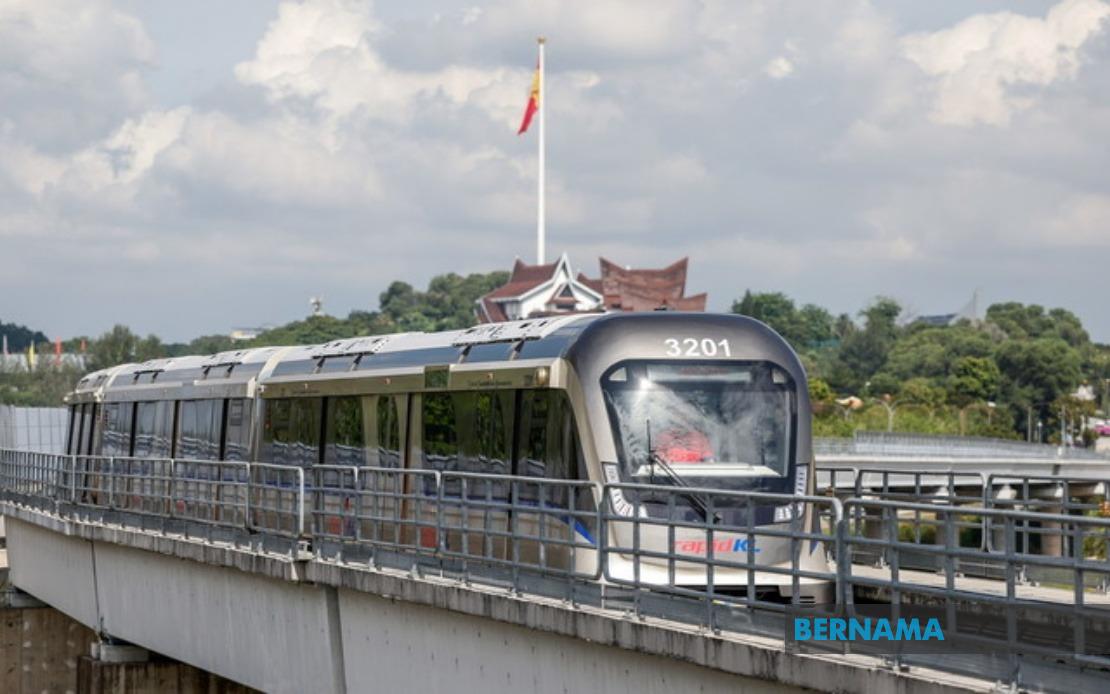
Prime Minister Datuk Seri Anwar Ibrahim will officiate the opening of the Light Rail Transit 3 Shah Alam Line tomorrow, marking the completion of a 37.8-kilometre transit corridor stretching from Bandar Utama to Johan Setia. The ceremony will formalise the readiness of the network for commercial passenger operations, with the Prime Minister expected to announce specific details regarding when public access will commence and the schedule for daily service.
According to Shah Alam line chief Mohd Ariffin Idris, the route encompasses 20 stations designed to address mobility challenges across a sprawling metropolitan region. The development is anticipated to transform commuter patterns for approximately two million inhabitants residing along the corridor, offering a viable alternative to congested road networks that have become increasingly problematic during peak hours throughout the Klang Valley.
The stations distributed across the new line represent a comprehensive network spanning established residential areas and emerging commercial zones. Ten of the new stops—Bandar Utama, Kayu Ara, BU 11, Damansara Idaman, Subang, Glenmarie 2, Kerjaya, Stadium Shah Alam, Dato' Menteri, and UiTM Shah Alam—serve the northern section. The remaining ten stations—Seksyen 7 Shah Alam, Bandar Baru Klang, Pasar Klang, Jalan Meru, Jambatan Kota, Taman Selatan, Seri Andalas, Klang Jaya, Bandar Bukit Tinggi, and Johan Setia—extend coverage southward towards the coastal industrial areas of Klang.
Integration with existing rail infrastructure forms a crucial advantage of the Shah Alam Line. Passengers will benefit from interchange connections at Bandar Utama, where the new route links with the Kajang Line, and at Glenmarie 2, which provides access to the Kelana Jaya Line. These connections enable commuters to extend their journeys beyond the Shah Alam corridor into central Kuala Lumpur and beyond, creating a more cohesive metropolitan rail network that reduces dependency on private vehicles.
Recognising that rail transit alone cannot solve the last-mile connectivity problem, Prasarana has deployed an extensive feeder bus network comprising 40 routes with 323 designated stops throughout the service area. These buses operate between 6 am and 11.30 pm, charging a flat fare of RM1 per journey. Complementing this offering are Rapid On-Demand van services utilising 44 vehicles serving 20 zones at RM2 per trip during identical operating hours. Both services are structured to evolve based on observed commuter behaviour once the line enters operation.
For motorists who prefer park-and-ride facilities, six stations—Kayu Ara, Damansara Idaman, Pasar Besar Klang, Sri Andalas, Bandar Bukit Tinggi, and Johan Setia—will offer parking infrastructure totalling 2,300 bays. This provision addresses the practical reality that not all potential rail users can walk or cycle to stations, particularly in suburban areas where walking distances exceed comfortable thresholds and public transport connectivity remains sparse.
Operational forecasts reveal ambitious but realistic patronage targets. Prasarana anticipates welcoming 67,000 daily passengers during the inaugural year, with projections rising to 117,708 daily riders by year five. These figures underscore confidence in the demand for the route while reflecting awareness that rail networks typically experience gradual adoption as communities adjust travel patterns and awareness of service options expands through word-of-mouth and experience.
Environmental considerations have shaped the Shah Alam Line's design philosophy. Light rail vehicles deployed on the route utilise inverter-based air conditioning systems that consume less electricity than conventional configurations. Station architecture incorporates natural ventilation and daylighting principles that substantially reduce reliance on artificial climate control. These sustainability features address growing concerns about the carbon footprint of urban transport infrastructure and align with Malaysia's commitments to reduce emissions intensity across the economy.
Accessibility provisions ensure the new line accommodates travellers with mobility challenges. Every station includes wheelchair ramps and disability-compliant lavatory facilities. Individual light rail vehicles contain reserved seating areas designated for persons with disabilities. This inclusive approach reflects evolving standards across Southeast Asian transport networks and acknowledges the diverse needs of urban commuters across age groups and physical capabilities.
The Shah Alam Line represents the latest component of Prasarana's rail expansion strategy. Five additional stations—Tropicana, Raja Muda, Temasya, Bukit Raja, and Bandar Botanik—are scheduled for reconstruction work commencing by year-end. These undertakings will further densify the rail network and enhance accessibility in satellite communities that have experienced rapid residential development but lacked corresponding transport investment.
From a regional perspective, the opening signals Malaysia's continued commitment to modern metropolitan transport infrastructure despite economic constraints and financing complexities. The Klang Valley, encompassing Kuala Lumpur, Selangor, and surrounding areas, has experienced persistent congestion problems that undermine productivity and quality of life. Mass rapid transit expansion directly addresses these challenges by providing commuters with time-competitive alternatives to private vehicles, potentially reducing traffic volumes on major arterial routes during peak periods.
The Shah Alam Line also reflects broader shifts in urban planning philosophy across Southeast Asia, where compact, transit-oriented development increasingly displaces sprawling automobile-dependent patterns. As rail networks expand and improve, developers and residents adjust location preferences, potentially generating positive feedback loops that enhance ridership, justify further expansion, and create more liveable communities with reduced car dependency and associated air pollution.

