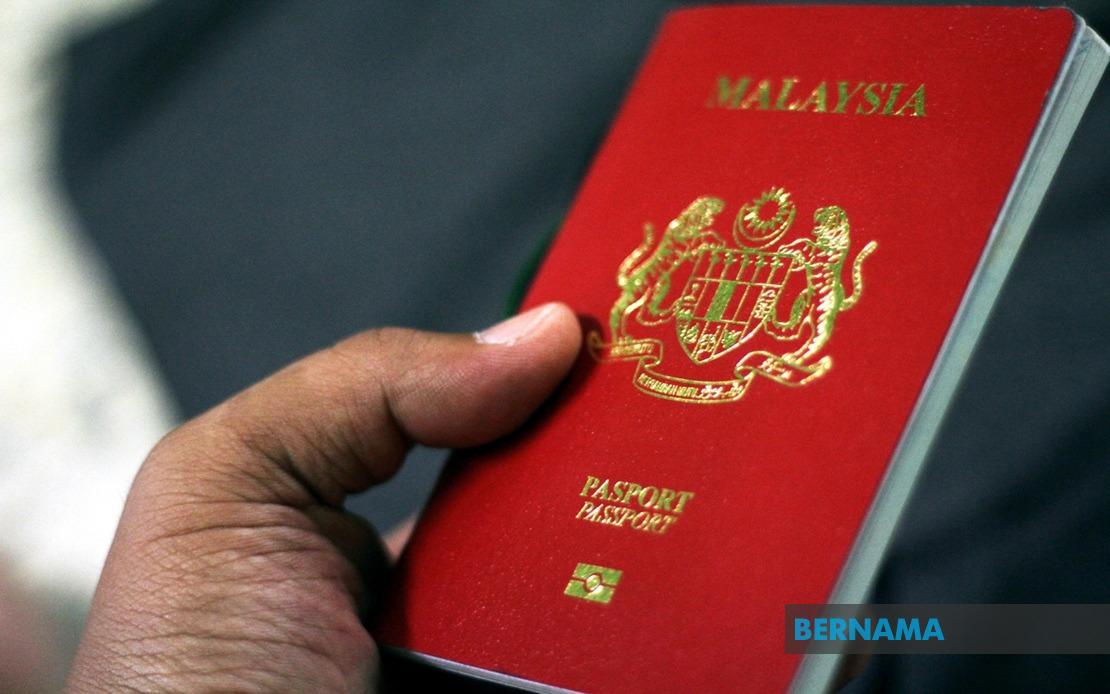
Malaysia's identity security framework is set to receive a substantial upgrade when Prime Minister Datuk Seri Anwar Ibrahim formally launches the new Malaysian International Passport at the Parliament lobby tomorrow. The redesigned travel document represents a significant technological leap, incorporating 94 distinct security features compared to the 49 safeguards embedded in the current iteration. This evolution underscores the government's commitment to maintaining Malaysia's competitive standing in global passport security rankings while addressing emerging forgery threats.
The enhancement of Malaysia's most widely recognized travel credential reflects growing international pressures to fortify identity documents against sophisticated counterfeiting operations. With 94 embedded security elements, the new passport nearly doubles the protection layer of its predecessor, creating substantially greater barriers for would-be fraudsters. This comprehensive approach encompasses both visible and concealed security markers, each strategically positioned to prevent unauthorized replication. The multiplication of security features is not merely cosmetic; it represents genuine technological advancement designed to thwart increasingly sophisticated document fraud schemes that have plagued nations worldwide.
Among the notable technological additions are sophisticated holographic elements that shift appearance when viewed from different angles, making unauthorized copying exponentially more difficult. Ultraviolet printing technology creates hidden information visible only under specialized scanning equipment, while concealed visual components require close inspection to authenticate. The passport's design also incorporates multiple forensic security features—specialized markers detectable only through advanced investigative techniques. These additions ensure that border control officials and security personnel can quickly verify document authenticity while making the passport extremely difficult to counterfeit using conventional methods.
The structural integrity of the document itself has been reinforced through enhanced security measures woven directly into the binding threads that hold the passport booklet together. Rather than relying solely on the durability of standard binding materials, security specialists have integrated authentication elements into these crucial structural components. Furthermore, each individual page within the booklet features a distinct layout pattern, eliminating the possibility of fraudsters substituting pages from forged documents. This multi-layered approach ensures that even partial document forgery becomes virtually impossible without detection.
This upgrade coincides with Home Minister Datuk Seri Saifuddin Nasution Ismail's earlier announcement regarding a broader national initiative to redesign foundational identity documents, including the MyKad. The coordinated enhancement of Malaysia's identity credential ecosystem demonstrates strategic government planning to create an integrated, difficult-to-forge system across multiple document types. Such comprehensive reform acknowledges that identity security threats target the entire system; therefore, strengthening individual documents proves more effective when accompanied by systematic upgrades across all citizen-facing identity papers.
Malaysia's positioning within the global security hierarchy adds particular relevance to these enhancements. According to the Passport Index rankings for 2025, the Malaysian International Passport holds the world's third most powerful standing, reflecting its exceptional visa-free or visa-on-arrival access to numerous countries worldwide. Maintaining this elevated status requires continuous security modernization, as other nations similarly invest in document fortification. The new passport ensures that Malaysia's considerable diplomatic and travel privileges remain backed by authentication infrastructure matching international best practices.
For Malaysian citizens and businesses relying on international mobility, this upgrade promises tangible benefits beyond enhanced security theater. The improved authentication mechanisms reduce processing delays at border controls, as officials can verify documents more rapidly through visible security features. International recognition of Malaysia's enhanced security standards may also streamline travel experiences, particularly for frequent business travelers and professionals whose work demands regular international mobility. The reduced likelihood of travel disruption due to document verification issues represents a practical gain for Malaysia's economically active population.
The passport redesign carries implications for regional identity security standards as well. As a major Southeast Asian nation, Malaysia's approach to document authentication influences neighboring countries' policy considerations. The emphasis on integrating multiple security layers—structural, visual, and forensic—establishes a benchmark that other Association of Southeast Asian Nations members may adopt or adapt. Regional harmonization of identity security standards, while maintaining individual national characteristics, enhances collective security against transnational document fraud operations that frequently target Southeast Asian travel corridors.
Operationally, the transition from the current 49-feature passport to the 94-feature version will require systematic implementation across Malaysia's passport issuance infrastructure. Immigration offices nationwide will need updated equipment to produce the enhanced documents, and personnel must receive training in the new production processes and security verification procedures. The timeline for rolling out the new passport system, integration with existing databases, and the transition period during which both versions remain in circulation remain critical operational details requiring careful coordination between relevant government agencies.
The timing of this launch—with Parliament providing the venue—signals the government's prioritization of identity security within its broader governance agenda. By situating the announcement in Malaysia's legislative chamber, the initiative gains institutional legitimacy and reflects cross-governmental commitment to the security enhancement program. For citizens seeking to renew or obtain passports following the launch, the enhanced security features will become standard, though the government will likely need to manage public expectations regarding processing timelines and any temporary capacity constraints during the transition period.

