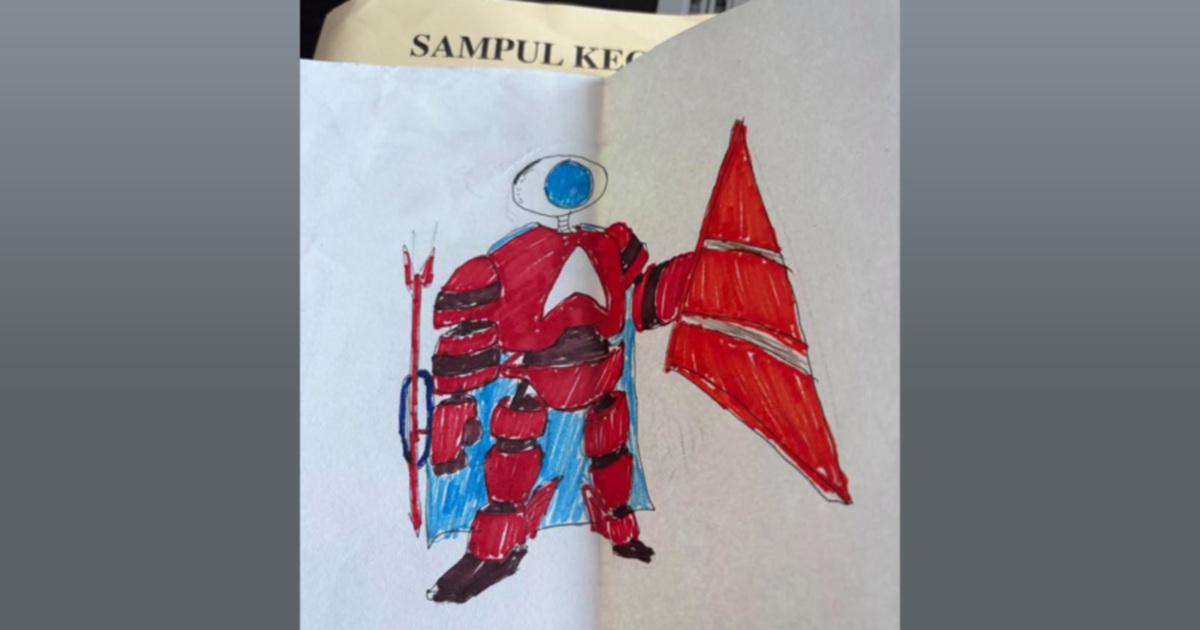
Prime Minister Datuk Seri Anwar Ibrahim has preserved an artwork created by a child with special needs as a valued memento from the Temu Anwar programme held recently in Negri Sembilan, spotlighting the emotional connection forged during grassroots engagement initiatives.
The Temu Anwar series represents a cornerstone of the Prime Minister's outreach strategy, bringing direct government interaction to communities across Malaysia's states. These town hall-style gatherings enable constituents from diverse backgrounds to voice concerns, share aspirations, and connect with national leadership on a personal level. The initiative underscores the administration's commitment to inclusive governance that recognises voices beyond traditional political channels.
The significance of the child's gift extends beyond its material form. Artwork from individuals with special needs often carries profound symbolic weight, representing not merely creative expression but also the child's effort to participate in civic engagement despite navigating additional challenges. For the Prime Minister to publicly acknowledge and preserve such a gift signals institutional recognition of disabled citizens' contributions to national dialogue and their place within the broader community.
Malaysia's approach to inclusive governance has gradually evolved, with government programmes increasingly designed to ensure accessibility for citizens with varying abilities. The Temu Anwar platform demonstrates this principle in practice, creating space where families and individuals across the special needs spectrum can engage with policymakers. Such inclusive engagement helps inform policy decisions and ensures that concerns of marginalised communities reach decision-makers directly.
The preservation of meaningful gifts from constituents reflects a leadership approach that values human connection and emotional resonance. By keeping the drawing close, the Prime Minister acknowledges the child's individual worth and the value of direct participation. This personal gesture, while modest, carries implications for how government representatives relate to disabled citizens and signals cultural shifts toward greater dignity and respect within public institutions.
Community engagement programmes like Temu Anwar serve multiple functions within Malaysia's democratic framework. Beyond gathering feedback on policy implementation and identifying local grievances, these events build civic trust by demonstrating government accessibility and willingness to listen. For families navigating special needs care—often isolating and resource-demanding—the opportunity to engage with leadership in person can feel validating and empowering.
The incident highlights broader conversations about representation and belonging in Malaysian society. Children and young people with disabilities frequently encounter systemic barriers that limit their participation in civic life, from physical accessibility challenges to attitudinal discrimination. When government events specifically welcome these participants and their contributions are visibly honoured, it sends powerful messages about social inclusion and equal citizenship.
Negri Sembilan's selection as a venue for the Temu Anwar programme reflects the administration's intention to conduct genuine national dialogue across all states. The state's mixed urban-rural composition ensures diverse demographic representation, including varying concentrations of families with special needs members seeking support services. Holding such engagement directly within communities allows policymakers to understand localised challenges while residents gain clarity on available government services and assistance programmes.
The gift exchange between constituent and leader humanises both political engagement and governance. For the child, presenting artwork to the Prime Minister transforms abstract notions of government into concrete, relatable interaction. For leadership, receiving such gifts from ordinary citizens grounds political responsibility in human faces and personal stories rather than statistics or abstract policy debates.
Malaysia's special needs sector encompasses diverse groups—from children with intellectual disabilities to those with physical impairments or neurological conditions—each facing distinct challenges across education, employment, healthcare, and social integration. Inclusive governance practices that welcome participation from these communities generate valuable insights for policy refinement and social programme design that better serves vulnerable populations.
The emotional resonance of the Prime Minister's action extends to broader conversations about disability representation in Southeast Asia. Across the region, attitudes toward disability remain shaped by stigma, and disabled individuals often experience marginalisation in civic and political spaces. By publicly valuing a special needs child's contribution, Malaysian leadership models alternative approaches that emphasise inclusion and human dignity.
As Malaysia progresses through ongoing economic and social transformation, ensuring that development benefits reach all citizens—including those with disabilities—remains crucial. Engagement mechanisms like Temu Anwar that genuinely include special needs participants help identify gaps in current services, from accessible transportation for attending government events to tailored support programmes addressing specific community needs. The drawing preserved by the Prime Minister thus represents not merely a personal keepsake but a tangible symbol of commitment to inclusive national development that encompasses Malaysia's entire population.

